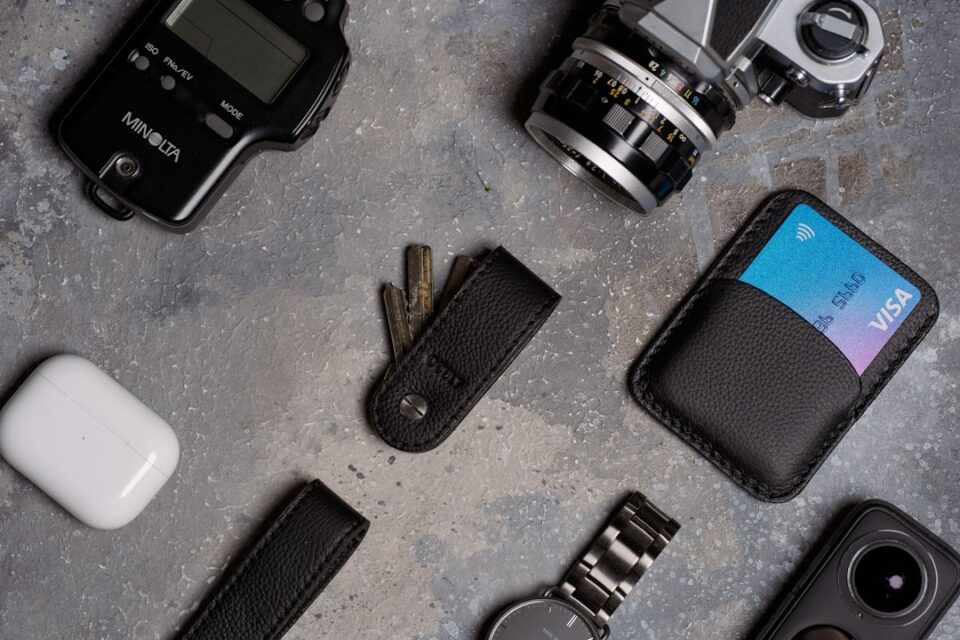
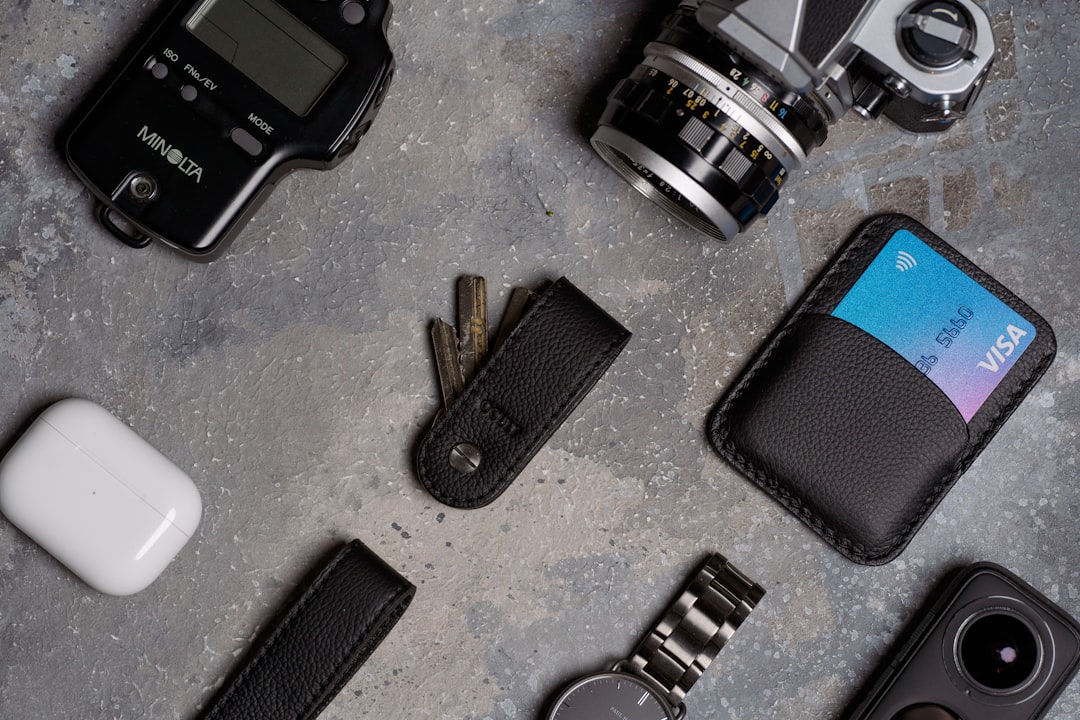
The phrase everyday carry accessories describes the compact, high-use items you bring with you most days—gear that blends function and style so seamlessly you almost forget it is there. Think wallets, keys, watches, sunglasses, belts, small leather goods, and a compact bag or pouch. Get these choices right and your daily routine feels lighter, more orderly, and more put-together; get them wrong and you are fighting bulk, discomfort, and a messy silhouette. This guide explains how to build a thoughtful set that works with your clothes, your climate, and your habits.
We will focus on three outcomes: comfort you can feel, durability you can rely on, and a look that quietly expresses who you are. You will find checklists, fit rules, material comparisons, and maintenance routines that keep your kit sharp. If you want more accessory stories and style breakouts, browse the collection at Arlo Style Accessories.
What actually counts as everyday carry
Start by listing the items you reach for without thinking. For most people this includes a wallet or cardholder, keys, a phone, a watch, sunglasses, a belt, and a small pouch or bag when needed. Optional layers might be a compact pen, a folding comb, a pocket-size notebook, a portable charger, earphones, and sometimes a handkerchief or lightweight scarf. The definition is not about survival gadgets; it is about the essentials you realistically use between leaving home and returning.
A smart way to frame your kit is to divide by pockets and zones. The front right pocket is a natural place for a slim wallet; the front left might hold a compact key holder; the back pocket should not carry anything you sit on for long periods because it can skew your posture over time. Bags and pouches handle overflow: a small crossbody or minimalist tote keeps bulk off the body and preserves a clean silhouette.
Consider a weekday vs. weekend setup. On workdays, you might emphasize neatness and quiet design—smooth leather, neutral tones, and minimal hardware. On weekends, you might reach for canvas, nylon, or corduroy textures with brighter accents. You do not need two separate kits; often a single neutral set plays both roles if you select versatile colors and materials.
Ask a simple filter question for everything: does it solve a real daily problem? If not, it is probably decoration masquerading as necessity. There is room for a single flourish—a textured key fob, a patterned strap—but aim for utility first, elegance second, and novelty last. In practice this gives you a kit that ages well, shrinks visual noise, and feels effortless from morning to night.
The core kit: wallet, keys, phone, watch
Your core is the kit you cannot leave without. Keep it light and flat because these items touch your body more than anything else you wear. Build with the following principles.
- Wallet: Choose a slim cardholder or a bifold with a compact profile. Most people carry fewer cards than they think—debit/credit, ID, a transit card, and one backup card. Cash slots can be narrow; bills fold once. Aim for 6–8 mm thickness when loaded, which slides into a front pocket without bulging.
- Keys: A key organizer prevents jangling and scratches. If you carry only two or three keys, a small leather sheath or a compact metal organizer keeps them flat. Add a tiny split ring for a security fob, but avoid hefty carabiners unless you actually clip them to something.
- Phone: The case is part of your accessories story. A slim, matte case in a neutral color pairs with more outfits and does not stick to pocket liners. Avoid thick, glossy cases that grab lint and advertise scratches.
- Watch: The single most expressive part of the kit, a watch anchors the look. Think about size first: 36–40 mm suits most wrists for everyday wear; 41–44 mm leans sporty. Pick a dial that reads quickly, a case that sits under a cuff, and a strap you can swap—leather for office days, nylon for gym commutes, steel for evening.
Two easy upgrades transform the core. First, cut down to essentials by scanning your wallet for inactive cards and removing them. Second, move keys onto a smaller ring and attach a short lanyard or pocket clip for quick retrieval. These tiny changes improve comfort and make pockets feel organized.
Finally, rehearse a pocket map: wallet front-right, keys front-left, phone in the jacket or bag. Consistency prevents fumbling and extends product life because items rub less against each other.
Belts and small leather goods
A belt is both tool and line-drawing across your midsection. It anchors trousers, sets a tonal boundary, and adds texture. Two belts cover 95 percent of outfits: a plain black leather with a small, brushed buckle; and a mid-brown leather with subtle grain. Both should be 30–35 mm wide for jeans and chinos, 28–30 mm for dress trousers, and in lengths that place the buckle on the middle hole.
Beyond belts, small leather goods include cardholders, key sheaths, passport wallets, and coin pouches. Here are practical selection rules:
- Edges and lining: Painted edges chip on rough use but look sleek; turned edges with stitching age more gracefully. Inside linings make items glide into pockets but add thickness; unlined veg-tan has a beautiful patina if you accept a little friction.
- Hardware finish: Brushed or bead-blasted metal hides micro-scratches better than high-polish. If you mix metals, keep the tone family consistent—gunmetal with charcoal, brass with brown, steel with black.
- Color strategy: Choose one dominant neutral (black, dark brown, tan, or navy) for the majority of leather pieces. A single accent piece—say, a burgundy cardholder—adds interest without turning your pockets into a palette.
Care is simple: wipe with a soft cloth weekly, condition leather lightly every 3–6 months, and store belts rolled loosely instead of folded. Avoid water saturation and direct heat, which can warp shape and crack finishes.
Jewelry and timepieces: understated, intentional
Personal metal accents transform a plain look into something memorable. Start with the watch, then decide whether to add a bracelet, ring, or necklace. The key is harmony in metal tones and restraint in count.
For watches, one versatile model beats a box of seldom-worn pieces. If you prefer clean lines, a two- or three-hand watch with a white or charcoal dial is universal. If you spend time outdoors, a field or diver watch offers legibility and water resistance. Consider thickness: under 12 mm fits under cuffs comfortably.
Bracelets sit best opposite your watch or stacked with it. A simple leather braid or a beaded bracelet in muted stones gives texture. If you stack, keep the total height low so sleeves slide over without catching. Rings should match your hand proportions; narrow bands suit slender fingers; wider bands fit larger hands. If you wear a necklace, choose a fine chain that rests below the collarbone and hides under most shirts, surfacing occasionally as a subtle detail.
Follow one of two metal strategies. Either match metals exactly (steel with steel, brass with brass), or use deliberate contrast (warm brass bracelet with a black watch case). Random mixes look like leftovers; intentional mixes look designed.
Sunglasses and eyewear that actually fit
Sunglasses are more than eye protection; they frame your face and control the mood of everything else you are wearing. Fit is the first priority. Three measurements matter: lens width, bridge width, and temple length. The right pair sits level, does not pinch the nose, and does not leave deep marks after 30 minutes. If frames slide forward when you look down, the bridge is too wide or the nose pads need adjustment.
Face shape guidelines help but are not rules. Instead of “square needs round” or “round needs square,” evaluate balance: do the frames counter your head’s widest point and keep attention near the eyes? Classic shapes like wayfarer and keyhole fit most faces; aviators suit medium to large faces with stronger noses; round and P3 shapes flatter angular faces.
Lens tints and treatments change not just how the world looks to you but how you look to others. Grey lenses are the most neutral for color accuracy; brown adds warmth and contrast; green splits the difference. Polarization reduces glare on water and glass, great for driving and lakeside days. Mirror finishes read sporty; gradients feel refined; photochromic lenses adapt across light levels and simplify life if you go between indoors and out frequently.
Material choices include acetate, metal, and mixed frames. Acetate offers deep color and sculpted heft; metal is lighter and sleeker; titanium gives strength without weight. Maintain eyewear by rinsing under water before wiping, using microfiber cloths, and storing in a hard case when not in use.
Hats, scarves, and gloves: functional finishing
These pieces add comfort in weather swings and give texture to otherwise simple outfits. Choose fibers for the climate you face most: cotton or linen caps for heat, wool or cashmere beanies for cold, and lightweight merino for all-around use. A baseball cap in washed cotton looks casual; a short-brim felt hat leans dressy; a fisherman beanie adds a coastal edge.
Scarves shift a look with minimal effort. Keep one lightweight scarf in a breathable blend for shoulder seasons and a heavyweight scarf for winter. Length and width matter: a 180 cm length wraps once or twice without bulk; a narrow scarf works under a coat; a wider scarf acts as a statement with a plain sweater or topcoat.
Gloves should be warm without locking your hands away from your phone and keys. Consider leather gloves with a wool or cashmere lining for city wear, and tech gloves with conductive fingertips for commuting. Fit is important: fingers should reach the tips without pressure, and wrist closures should seal drafts without cutting circulation.
Stick to a simple palette—black, charcoal, navy, or brown—and add texture through ribbing, basket weaves, and brushed finishes instead of loud prints. The result is calm, useful, and easy to mix with the rest of your kit.
Bags and pouches that reduce pocket stress
Bags are the pressure-relief valves of your kit. They hold the items you do not want in your pockets and protect silhouettes from bulges. Think in three sizes: pocket supplement, daily carry, and travel day bag.
- Pocket supplement: A small crossbody, a compact sling, or a minimalist waist pack keeps phone, charger, and sunglasses together when your outfit has light or no pockets. Look for 1–3 liters of capacity and soft structure so the bag conforms to your body.
- Daily carry: A simple tote or a small backpack covers work commutes and errands. Canvas and nylon are durable; leather totes read elevated. Avoid heavy hardware and overly padded straps unless you carry laptops or books regularly.
- Travel day bag: A 8–12 liter bag with internal organization, a water bottle pocket, and a safe pocket for documents is ideal. Small enough to wear all day, large enough for a layer and snacks.
Hardware and closure choices affect both security and ease. Zippers are secure but can scratch if exposed; magnetic closures are quick but should be strong; drawstrings lighten weight but must be reinforced. Choose one dominant color family—black or navy keeps life simple—and let subtle details like pulls and stitching add character.
Materials guide: leather, metal, textiles
Materials determine how your accessories age and what care they demand. Knowing the tradeoffs helps you pick pieces that fit your habits.
- Leather: Full-grain and top-grain leathers develop richer patina; corrected grain looks more uniform but can appear plastic. Vegetable-tanned leather starts firm and softens; chrome-tanned leather resists water better. Pebbled textures hide scratches; smooth finishes show them but can be buffed.
- Metal: Steel is strong and affordable, brass ages with character, titanium is light and hypoallergenic, and aluminum is very light but scratches easily. Finishes matter: brushed metal forgives wear, polished shows every hairline mark, PVD coatings can chip if abused but offer great color control.
- Textiles: Cotton canvas breathes and ages like denim; nylon and polyester blends balance strength and weight; Cordura and ballistic weaves handle abrasion; merino wool regulates temperature; cashmere adds softness but needs gentle care. Blends with a little elastane can add stretch to straps or gloves without losing shape.
Pick materials by use case. For a wallet that lives in your pocket, leather or woven nylon works best. For key holders, metal cores with leather sheaths balance structure and comfort. For bags, choose canvas or nylon for daily abuse, leather for low-carry elegance, and hybrid constructions if you demand both form and function.
Fit and proportion rules that keep silhouettes clean
Accessories sit on and close to your body, so their scale should respect your proportions. Three rules prevent visual clutter:
- Match scale to frame: Smaller frames benefit from slimmer belts (28–32 mm), lighter watch cases (36–38 mm), and smaller eyewear. Larger frames can support wider belts, thicker straps, and larger dials.
- Limit height and thickness: Pocket items thicker than your phone usually print through clothing. Aim for sub-10 mm wallets, low-profile key organizers, and slim cases. Watches over 14 mm thick snag sleeves and look bulky on most wrists.
- Control visual anchors: A belt buckle, a watch dial, or mirrored lenses act as focal points. Keep to a single hero element per outfit so the eye knows where to rest.
If in doubt, remove one item. Editing reveals whether something actually did useful work or was visual noise. Paradoxically, fewer pieces often read as more considered because each choice carries weight.
Choosing everyday carry accessories by context
Your daily environment shapes the kit. Here are context-specific suggestions with practical examples.
Office and hybrid work
In corporate or hybrid settings, quiet surfaces and compact forms win. A brushed steel watch with a white dial, a black or brown leather belt, a slim wallet, and subdued eyewear create a calm baseline. A dark tote or slim backpack carries tech without shouting. Keep metals consistent (steel tones) and keep straps narrow so cuffs and jackets glide.
Commuting and city life
City commutes reward abrasion-resistant textiles and hands-free bags. Use a crossbody or sling for crowded trains and buses. Polarized lenses help with glass glare; shoes and belts should coordinate to avoid clashing at elevator doors. A compact umbrella slides into the bag’s side pocket, and a microfiber cloth keeps lenses clear after sudden weather shifts.
Outdoors and weekend
Choose performance textiles and robust closures. Nylon straps, rubber watch bands, and reinforced canvas bags handle rain and dirt. Brown or olive palettes blend with natural tones; mirrored or gradient lenses add fun but still protect. Keep key organizers sealed to stop grit from entering pockets, and consider a lightweight scarf or bandana that doubles as a sweat wipe.
Evening and events
For dinners and events, simplify. A thin leather strap on the watch, a polished but small buckle, and a cardholder instead of a bulky wallet smooth the line under tailoring. Sunglasses switch to clear fashion frames or stay home. Bring a compact pouch to carry the things you do not want bulging in a tux or dressy jacket.
Seasonal rotation and travel checklists
Two small seasonal rotations keep the kit feeling fresh and functioning right.
- Warm weather: Lighter colors, breathable textiles, and UV-friendly lenses. Swap heavy leather straps for nylon or rubber. Add a cap and a lighter scarf if sun or air conditioning loops through your day.
- Cold weather: Darker colors, heavier textures, and insulated gloves. Leather straps come back; add a beanie and a thicker scarf. Anti-fog lens wipes help when going between freezing exteriors and heated interiors.
For travel, run a 10-minute checklist:
- Wallet: essential cards only, plus a spare card.
- Keys: home keys only; leave bulky keys behind or add a backup in checked luggage.
- Phone: slim case, cable, and compact battery.
- Watch: one versatile piece and a spare strap.
- Sunglasses: polarized pair and a hard case.
- Belt: one neutral belt that fits both casual and dress trousers.
- Bag: a day bag with a secure pocket for documents.
- Health and comfort: lip balm, handkerchief, small sanitizer.
Pack by zones: a pouch for electronics, a pouch for toiletries, and a pouch for small leather goods. This keeps TSA lines smooth and hotel unpacking easy. Keep colors neutral so mixing and matching does not require thought each morning.
Care and maintenance routines that extend life
A few minutes a week and a small kit keep everything looking new longer. Build a maintenance box with a soft cloth, a small horsehair brush, mild leather conditioner, a microfiber eyewear cloth, a tiny screwdriver for watch bracelets, and silicone grease for rubber seals if you swim with watches.
- Weekly: Empty pockets and bags, brush dust off leather and textiles, wipe down metal and phone cases, and coil cables neatly. This is also the time to remove lint from key organizers and check that screws or pins are snug.
- Monthly: Condition leather lightly, inspect belts for stretching near holes, and check sunglasses screws. Rotate straps to let leather rest and recover shape.
- Seasonal: Deep clean bags with appropriate fabric care, wax canvas if needed, and reshape hats by steaming lightly (from a safe distance) to relax fibers.
Store accessories properly. Belts hang or roll loosely; wallets rest empty overnight to release compression; sunglasses rest in hard cases; watches sleep on a tray, not in pockets, to avoid scratches. The more repeatable your storage, the less chance you have of misplacing items.
Budget, premium, and sustainability choices
There is no single “right” price tier for everyday carry. Useful items exist at every level, and the smartest spend is often on the piece you use most and touch most, like a wallet or watch. The idea is not to chase status but to buy once, use often, and repair when practical.
At entry level, choose simple designs in sturdy materials with clean stitching and reliable hardware. Avoid overly decorative branding or complex features that add failure points. In the mid-tier, prioritize upgraded leathers, better zippers and buckles, and reputable lens makers for sunglasses. At premium levels, evaluate finishing, tolerances, and aftercare policies—not just logos—because those are what actually improve daily experience.
Sustainability comes from restraint and care. Fewer, better items reduce waste. Repair-friendly designs—screw-fixed key organizers, serviceable watch bracelets, replaceable straps and buckles—keep pieces alive longer. Natural materials with transparent sourcing provide peace of mind, and buy-back or refurbish programs extend product lifecycles.
Build a signature look you can repeat
Consistency makes your kit feel like “you” and speeds up mornings. A signature look might be as simple as “steel watch, black leather belt, navy tote, and wayfarers,” or “field watch on a nylon strap, tan belt, olive sling, and keyhole sunglasses.” When colors are steady and materials harmonize, everything plays well together even as individual items rotate through seasons.
Define one anchor per category and let it guide choices:
- Watch: One everyday watch with two straps.
- Belt: One black or brown belt that works with most trousers.
- Sunglasses: One classic frame that fits and a second pair for travel.
- Wallet: One slim profile that never bulges pockets.
- Bag: One daily bag that fits your commute and a smaller pocket supplement.
Finally, document your kit. Take a flat-lay photo once a season. You will see what looks balanced, what feels redundant, and what you never use. Edit with intention. That is the art of everyday carry—staying light, prepared, and unmistakably yourself.