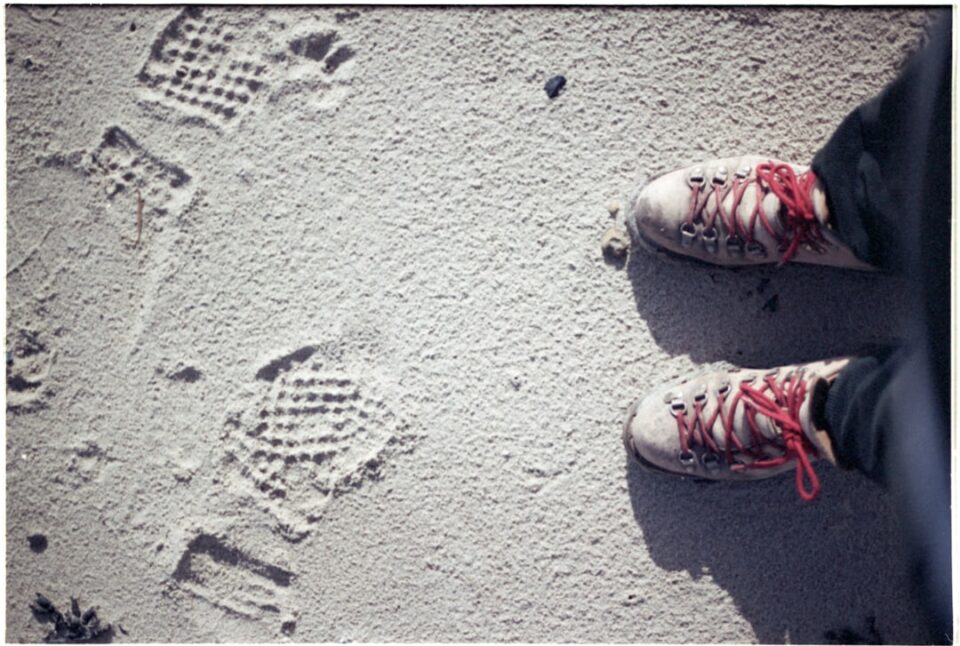
This guide uses comfortable walking shoes as the starting point for the practical advice below. Comfortable walking shoes matter more than most people admit. If a pair looks good but leaves you thinking about your feet every hour, it stops being a smart purchase and becomes a distraction. I learned that the hard way after too many days in shoes that felt fine for ten minutes and irritating by lunch.
That is why I approach shoe buying like a small design problem. The right pair has to match your pace, your route, your foot shape, and the kind of day you actually live. For a city commuter, that might mean a light sneaker with steady grip. For someone who stands through long shifts, it might mean a broader base, softer landing, and less pressure across the forefoot. For travel, it might mean a shoe that looks clean enough for dinner and stays steady through airport floors, train platforms, and uneven sidewalks.
The good news is that you do not need a huge collection to get this right. You need a better way to judge what matters. In this guide, I break down the details I check, the trade-offs I pay attention to, and the habits that help a good pair stay comfortable longer. If you want to browse styles while you read, you can also look at our shoe collection and compare different shapes side by side.
comfortable walking shoes: What Comfortable Walking Shoes Should Do First
The first job of comfortable walking shoes is not to look impressive on a shelf. It is to disappear while you move. That sounds simple, but it is a high bar. A shoe that disappears does a lot of quiet work at once. It keeps your heel settled without sliding. It gives the toes room to spread without feeling sloppy. It bends where your foot naturally bends. And it stays steady when your stride changes, which matters more than most marketing copy admits.
I think of comfort in three layers. The first layer is immediate feel when you try the shoe on. The second is what happens after twenty minutes of walking. The third is what happens on a real day, when you have stairs, a bus ride, a coffee run, a quick detour, and maybe an extra hour because plans changed. A shoe can fool you in the store and still fail the long-day test.
That is why the phrase comfortable walking shoes should never be treated as a vague promise. It should point to specific features. A shoe can be comfortable because it has a roomy toe box, a smooth heel collar, a midsole that softens impact without feeling mushy, or an outsole that prevents tiny slips that slowly wear you down. Usually it is not one dramatic feature. It is the sum of many small choices.
When I am evaluating a pair, I ask a simple question. Does it help the foot do its job, or does it get in the way? If the answer is the first one, the shoe is probably worth more attention. If the answer is the second one, no amount of branding will save it.
The comfort test I use in the store
- Stand still for a minute and notice whether the heel shifts.
- Walk a short loop and pay attention to the first pressure point that appears.
- Check whether the toes can move naturally when you step forward.
- Feel for any hot spot at the arch, ankle bone, or top of the foot.
- Ask yourself whether the shoe feels better after movement, not just at the first try-on.
If a pair passes those small checks, it usually has the basics in place. If it fails two or three of them, I do not talk myself into it. That is often how people end up buying shoes they resent later.
Fit Comes Before Everything Else
Fit is the biggest difference between a pair that works and a pair that just looks right. People often shop by size only, but size is only the starting point. Two shoes marked the same size can feel completely different because one has a narrower forefoot, one sits lower over the instep, and one has more volume through the middle of the shoe. That is why I pay attention to shape, not just the number on the box.
The most useful fit check starts with the toes. You want enough room to settle when your foot expands through the day, but not so much room that you slide forward on descents or during quicker steps. If your toes are pressing the front, the shoe is too short or too low. If your foot feels like it is swimming, the shoe may be too long, too wide, or too deep for your foot shape.
Heel hold matters just as much. A little movement in the heel can create rubbing, and rubbing is usually what turns a promising pair into something you avoid. I prefer a heel that feels stable without squeezing. If I can feel the back of the shoe lifting with every step, I keep looking. If the heel bites into the Achilles area, I also keep looking. Comfort should feel secure, not aggressive.
Width is where many buyers make mistakes. Some people need a wider toe box but not a wider heel. Others need room across the forefoot because their feet spread when walking, especially during long city days. If the upper looks clean but the sides press inward, the shoe may never become comfortable enough, no matter how soft the cushioning is.
I also check the way the shoe closes. Laces can solve a surprising number of problems if the eyelets are placed well. A good lacing pattern can reduce slip at the heel, open up pressure across the instep, and improve overall balance. If the upper looks nice but the lacing system cannot adapt, the shoe may feel limited from the start.
One more thing matters here. Your feet are not identical from morning to night. They swell, they warm up, and they change shape a little with movement. That is why a shoe that only feels perfect the second you put it on may not stay that way later. A small amount of space is often better than a too-snug fit that gets worse as the day goes on.
Fit signs that tell me to walk away
- Toes touch the front when I stop and stand naturally.
- The heel lifts even after I tighten the laces.
- The sides press hard on the forefoot.
- The top of the shoe feels like it is pinching the instep.
- I can feel a seam, ridge, or edge every few steps.
Materials Change the Feel More Than Ads Do
Materials shape the whole experience of walking in a shoe. That starts with the upper, which affects breathability, softness, structure, and how the shoe adapts to movement. It continues with the midsole, which determines how much support or softness you feel underfoot. And it ends with the outsole, which decides how the shoe meets the ground. If you understand those layers, shoe shopping becomes a lot less confusing.
Leather can give structure and a polished look, but not all leather feels the same. Some versions soften nicely with wear. Others stay stiff longer than expected. Mesh and knit uppers can feel lighter and more forgiving, which is useful for casual everyday wear or warm-weather walking. The trade-off is that some of them offer less structure, so they may feel too loose if your foot needs more containment.
Synthetic uppers sit somewhere in the middle. They can hold shape well, resist scuffing, and keep the silhouette neat. On the downside, they do not always breathe as well as more open materials. That matters if you spend a lot of time moving or if you tend to run warm. A shoe that traps too much heat may start feeling less comfortable even if the fit is right.
The midsole deserves special attention. This is where a lot of the comfort story lives. A softer midsole can feel pleasant at first, especially if you are testing shoes in a quiet store. But if it is too soft without enough structure, it can create a sinking feeling that tires the foot. A firmer midsole can feel less dramatic, but it often gives a steadier base for longer walks.
I like shoes that feel predictable. Predictable is underrated. When the material responds the same way on a sidewalk, on stairs, and on a train platform, your body does not have to keep recalculating. That sense of ease is part of real comfort.
Texture matters too. A smooth lining reduces rubbing. A padded collar can help around the ankle, but too much bulk can also create heat or make the shoe feel heavy. Strong stitching and clean bonding often tell you more than glossy product photos. If the construction looks thoughtful, the shoe usually handles daily use better.
Think of materials as a conversation between your foot and the shoe. A good conversation feels clear. A bad one feels crowded, noisy, or off-balance.
Comfortable Walking Shoes Need Balance, Not Just Cushion
A lot of shoppers equate comfort with softness. That is understandable. Soft things feel pleasant in short bursts. But walking is not a couch test. It is a repeated motion test. If a shoe is only soft, without a stable base, it can make the foot work harder in subtle ways. You might not notice it in the first block. You usually notice it by the end of the day.
Balance means the shoe softens impact without letting the foot collapse into a wobbly feeling. It means the sole bends in the right place but not everywhere. It means the arch area supports the middle of the foot without forcing it into a shape it does not want. It means the heel and forefoot feel connected, not like separate pieces that happen to be glued together.
For some people, a little more cushioning is ideal. This is often true for longer commutes, heavier walking schedules, or routes with hard pavement. For others, a slightly firmer ride feels better because it reduces the sense of sinking and helps the stride stay natural. There is no single answer here, which is why so many reviews sound contradictory. Different feet want different kinds of balance.
I like to test this by walking at three speeds. First, a slow, relaxed pace. Then a normal city pace. Then a quicker pace, as if I am late for a meeting. If the shoe feels good at all three speeds, that is a strong sign. If it feels fine only at one speed, I start asking whether the design really fits my routine.
The arch is another clue. Some shoes have pronounced arch shaping that can be useful for certain feet, but it can also feel intrusive if the shape does not match your own foot. Comfort is not just about the amount of support. It is about whether the support lands in the right place.
People also forget that balance includes flexibility. A shoe should bend where the foot bends, especially near the forefoot. If it is stiff in the wrong place, every step feels like a negotiation. If it is too flexible everywhere, the shoe may fold awkwardly and lose its steady feel. The sweet spot is controlled flexibility.
When I hear someone say a shoe feels luxurious, I usually want to know what kind of luxury they mean. Is it plush? Is it steady? Is it light? Is it well shaped? Those are very different experiences. The best comfortable walking shoes often combine two or three of them instead of chasing a single dramatic sensation.
Softness versus support in plain language
| What you feel | What it usually means |
|---|---|
| Very plush but unstable | The shoe may be comfortable for short wear, but tiring over time |
| Firm but steady | The shoe may feel calmer during long walking days |
| Soft with a broad base | A good sign that comfort and control are working together |
That table is not a rulebook. It is just a quick way to interpret what your feet are telling you. The more you notice those signals, the easier it gets to choose shoes with confidence.
Traction and Outsole Design Matter More Than People Think
The outsole is easy to ignore because it is the part most people do not admire in a mirror. But it changes how a shoe feels every time the ground changes. Smooth tile, wet pavement, polished floors, textured concrete, train platforms, and sidewalk cracks all ask for slightly different things from the sole. A good outsole keeps the shoe calm through those changes.
Grip does not have to mean a heavy, rugged sole. In fact, many everyday shoes work best when the outsole is practical rather than aggressive. Small, well-placed tread patterns can be enough for urban use. What I want to avoid is a sole that looks fancy but slides a little on clean floors or feels flat on uneven ground. Tiny slips add up. They make your body tense without you realizing it.
Flex points are part of the outsole story too. The front of the shoe should bend where your toes bend, not where the sole designer thought it would look neat. If the shoe resists at the ball of the foot, walking becomes more work than it should be. If it folds too easily in the middle, the platform can feel unstable. You want the shoe to assist the step, not distort it.
Weight matters here as well. A shoe does not need to be ultralight, but unnecessary weight can change your stride, especially if you walk a lot. Heavier shoes can be stable, but if they also feel clumsy, the trade-off may not be worth it. I usually prefer a shoe that disappears in motion rather than one that announces itself every time I lift my foot.
Another feature I look for is how the outsole wraps around the edges. A little side coverage can protect the upper and help the shoe keep its shape. This is useful if you regularly bump curbs, catch steps, or walk in busy environments where shoes take a beating without much ceremony.
When I am trying to predict whether a shoe will hold up in daily use, I look for tread that makes sense for real life, not just a dramatic photo. If you see thoughtful grooves, a stable base, and a front that bends naturally, you are usually looking at a shoe that has been designed to be worn, not just displayed.
Match the Shoe to the Day You Actually Live
One reason people buy uncomfortable shoes is that they shop for an imagined life instead of their actual one. They picture the perfect weekend outfit, the rare dinner reservation, or the one outfit that works with everything. Then they wear the shoes on a normal Tuesday and wonder why they feel wrong. The better question is simple. What do my days really look like?
If your routine includes long commutes, standing at events, running errands, and walking through mixed indoor and outdoor spaces, your needs are different from someone who mostly sits and walks short blocks. If you travel often, you may care more about easy on-off access, low weight, and a profile that looks clean under different outfits. If your job keeps you on your feet, you may care more about forefoot room, steady cushioning, and a shape that does not collapse after a few hours.
Casual sneaker lovers sometimes forget that a shoe can be comfortable and still be wrong for the schedule. A soft, stylish shoe may work on low-activity days, but not on days with lots of standing. A more structured shoe may feel less fashionable in photos, yet better on a day that never seems to slow down. I think the smartest buyers match function first and style second, then look for the pair that does both with the least compromise.
Daily climate also matters. In warmer places, breathability can shape comfort more than you expect. In cooler places, a little more material can feel appropriate. Wet streets, dusty sidewalks, polished office floors, and uneven neighborhood paths each reward slightly different soles and uppers. That is why a one-shoe answer rarely fits every person.
There is also the matter of personal movement. Some people walk softly. Others land harder. Some have a narrow gait. Others move with more outward rotation. The best shoe is not the one that looks perfect in a vacuum. It is the one that works with your own pattern. The more honestly you observe that pattern, the better your purchases get.
If you want a useful shortcut, sort your life into three buckets. Short walks. Long walks. Long days on your feet. Then ask which bucket matters most. That simple question often reveals whether you need a cleaner sneaker, a sturdier walking shoe, or a more versatile hybrid pair.
Routine-first shopping checklist
- Do I walk mostly indoors, outdoors, or both?
- Do I stand more than I sit on most days?
- Do I need a shoe that works with office clothes?
- Do I want something light for travel?
- Do I need more room in the front than in the heel?
How to Make a New Pair Feel Better Over Time
Even a good pair of shoes may need a little time before it feels fully settled. The key is to let the shoe adapt without forcing it. I do not believe in dramatic break-in rituals that make shoes miserable for a week. I believe in short, honest wear sessions that reveal the truth gradually.
Start with a short walk in the first day or two. Notice where the shoe moves, where it rubs, and whether the fit changes once your feet warm up. Then increase the duration only if the first session feels reasonable. This keeps a new pair from becoming the shoe you associate with annoyance. You want the first memory to be neutral or better.
Lacing adjustments can help a great deal. If the heel is loose, tighten the lower laces carefully. If the instep feels crowded, skip an eyelet or change the tension pattern. If the forefoot feels compressed, check whether the laces are pulling the upper inward too tightly. Small changes can shift the feel more than people expect.
Socks matter too. A thinner sock may help if the shoe fits a little close. A slightly padded sock may reduce friction if the shoe feels raw. The trick is not to hide a bad fit with thick socks. The trick is to use socks as a fine-tuning tool once the basic shape already works.
Another simple habit is to rotate pairs when you can. Shoes last longer and feel better when they have time to rest between wears. Foam recovers, moisture dries, and the upper relaxes. A shoe that gets a break often feels fresher the next day than one that is worn back-to-back without pause.
Do not expect a shoe to transform completely. If a pair still feels wrong after several short wears and a few lacing changes, it probably is not your pair. That is not a failure. It is useful information. Comfort is easier to improve when the shoe was close to right in the first place.
Simple Care Habits That Keep Comfort Intact
Shoes do not stay comfortable by accident. Dirt, moisture, heat, and careless storage all change how they feel. A clean, well-kept pair generally lasts longer and keeps its shape better. That matters because shape is part of comfort. Once a shoe starts sagging, twisting, or hardening in odd places, the original fit can disappear.
After a walk, I like to let shoes air out in a dry place. That is especially important for uppers and linings that hold moisture. If the inside stays damp, the shoe can start to feel less fresh and less responsive. Removing insoles occasionally can help them dry more evenly. Nothing fancy. Just basic care.
Cleaning should be gentle. Wipe off dust and grime before it builds up. If the upper is leather, use products meant for that material. If it is mesh or textile, avoid soaking it. The point is to preserve the structure, not scrub the shoe into a completely different object. Harsh cleaning can shorten the life of the materials and change the way they flex.
Storage also matters. Do not crush shoes under heavy items. Do not leave them baking in a car for long stretches. Heat can affect adhesives and foams, while pressure can distort the upper. A simple shelf or open storage space is better than a pile where the shoes lose their form.
If you have a pair you love, watch the wear pattern on the sole. When the tread starts wearing unevenly, the shoe may still look fine but feel less stable. That is the moment to pay attention. Comfort often fades quietly before it becomes obvious.
A lot of people wait until a shoe feels terrible before they think about maintenance. By then, the damage is usually already done. Small care habits are cheaper, easier, and far less annoying than replacing a pair too soon.
Basic care routine I follow
- Brush off dust after heavier wear.
- Let shoes dry fully before storing them.
- Rotate pairs if I wear them several days a week.
- Check laces, insoles, and seams for early wear.
- Replace them before the sole becomes lopsided.
Common Mistakes That Make Good Shoes Feel Bad
The biggest mistake is buying with your eyes only. A clean silhouette, a trendy color, or a brand name can distract from a weak fit. I have done this myself. The shoes looked right. The outfit looked better. The first long walk told a different story. Style matters, but it should not be the only filter.
A second mistake is assuming all discomfort will disappear once the shoes are worn a few times. Sometimes that is true. Often it is not. There is a difference between mild stiffness that settles and real pressure that keeps returning. If the same spot hurts every time, the shoe is teaching you something. I try not to argue with that message.
Another problem is shopping at the wrong time of day. If your feet are always a bit larger later in the day, trying on shoes in the morning can make a pair seem more forgiving than it really is. That small timing error can lead to a poor choice. I prefer trying shoes when my feet are closer to their real daily size.
People also forget to test both shoes thoroughly. One foot may accept a shoe while the other quietly hates it. That can happen because feet are slightly different in size or shape. If one side feels off, do not assume it will sort itself out later. Uneven comfort rarely improves on its own.
Finally, some buyers choose shoes that are too narrow because they like a sleek profile. Sleek can be great, but not if the foot has to squeeze into it. A shoe that flatters the eye but crowds the foot is often the exact opposite of comfortable. I would rather see a little more room and a cleaner step than a cramped shape with good lighting.
The best way to avoid these mistakes is to slow down. Try on more than one shape. Walk longer than you think you need to. Look at the shoe from the side, but listen to the foot first. That habit saves time later.
A Practical Checklist Before You Buy
When I am close to deciding, I like to use one last checklist. It keeps the process grounded. Comfortable walking shoes do not have to be expensive, flashy, or technical. They do have to match the shape of your foot and the rhythm of your life. This final pass helps me separate the shoes that merely look promising from the ones that are genuinely useful.
First, I check the length. I want enough space at the front for natural movement without slipping around. Then I check the width. The foot should sit on the platform, not spill over it or be squeezed by it. After that, I look at the heel. It should stay planted without rubbing. I also bend the shoe with my hands to see whether it flexes in the right place. If the bend looks awkward, the walking feel usually is too.
Then I think about the schedule. Will I wear this pair for errands, travel, work, or long walks? Does it suit that use case? Can I picture it being useful more than once a week? If the answer is yes, the shoe has earned a place in the conversation. If the answer is maybe, I keep comparing.
I also like to ask whether the shoe will still look and feel right after a full day. A lot of pairs feel impressive for the first few minutes. Far fewer stay pleasant after a real day of movement. That is the difference that matters.
One final question helps a lot. Would I choose this pair if I had no deadline and no pressure? If the honest answer is yes, I am usually on the right track. If the answer is no, I should probably keep looking.
Comfort is not mysterious once you start breaking it down. It is fit, shape, material, balance, grip, and routine all working together. When those parts line up, the shoes stop asking for attention. That is the real goal. You put them on, go about your day, and think about almost everything else instead.