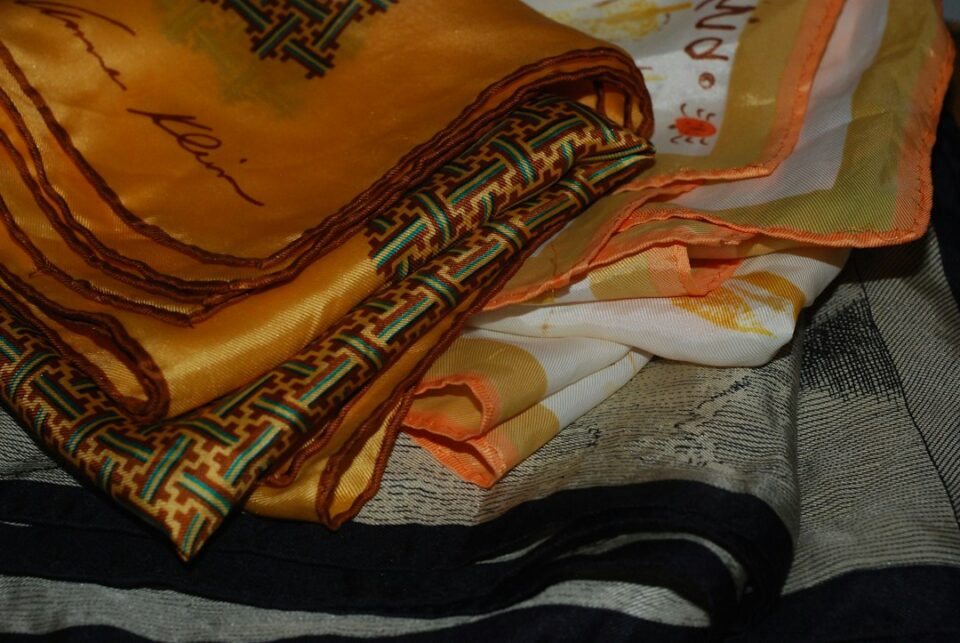
Accessorize with silk scarves sounds simple, yet the right square or oblong can shift an outfit from fine to memorable. This guide walks you through fabric basics, color strategy, reliable knots, outfit formulas, care habits, and smart buying so you can reach for a scarf with confidence and get consistent results. Whether your style leans minimalist or maximal, you will find clear steps, checklists, and examples you can use today.
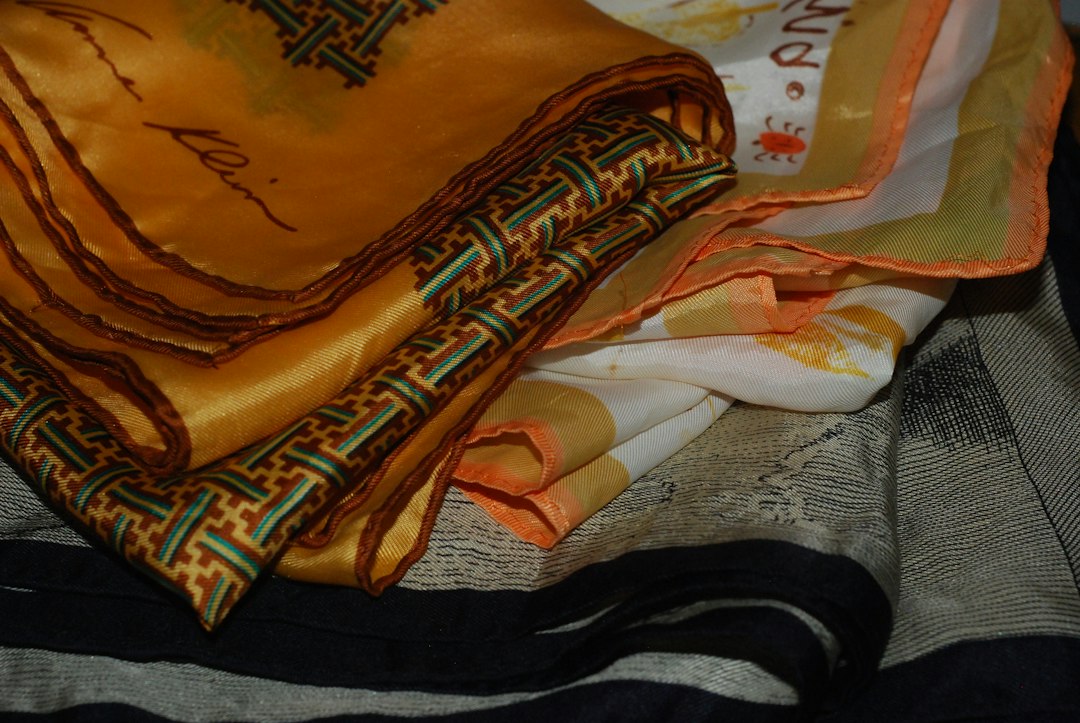
Accessorize with silk scarves: quick-start playbook
If you want quick progress before exploring the deeper sections, use this short plan first. It focuses on the decisions that move the needle most: size, color, and one or two reliable knots.
- Choose a versatile size: a 27–36 inch (70–90 cm) square covers most daily looks. A skinny oblong or twilly (2–4 inches wide) excels at bag handles, belts, and hair.
- Pick one neutral and one accent: a neutral like navy, black, tan, or ivory pairs easily with coats and denim; an accent like red, emerald, or cobalt energizes basics.
- Learn two knots: the Parisian fold (compact and crisp) and the Bias wrap (longer and soft). These two cover workdays, dinner, and travel.
- Balance silhouette: use a slim band under a structured blazer, and a fuller triangle with a simple tee. If your top is voluminous, keep the knot compact.
- Place color intentionally: repeat one hue from the scarf in shoes, lipstick, or earrings for cohesion with zero effort.
- Set a five-minute outfit formula: white tee, straight jeans, loafers, camel blazer, navy square scarf in a Parisian fold. Add small hoops. Consistent polish, every time.
Two practice drills help new habits stick. First, mirror drill: tie the same knot three times in a row to memorize hand positions. Second, photo drill: take a quick phone photo from a natural-light window and check proportion. If the knot looks bulky, narrow the band by one fold; if it looks limp, choose a higher weight silk or shorten the wrap.
Know your silk: size, weight, weave, and edges
Understanding what your scarf is made of makes shopping faster and styling more predictable. Four variables do the heavy lifting: size, weight (momme), weave, and edge finish.
Size. Common square sizes include 20–22 inches (pocket or neckerchief), 27–29 inches (daily neckerchief), 35–36 inches (classic square), and 43 inches or larger (statement wrap). The 35–36 inch square is the workhorse for most neck and head ties. Skinny oblongs and twillies are utility pieces for belts, bag handles, headbands, and bracelets. Large oblongs (60–70 inches) excel as shoulder wraps and soft belts over dresses.
Weight (momme). Momme (mm) measures silk density. Lighter 12–14 mm drapes with airy softness and flows beautifully in loose knots. Mid 16–18 mm has more body for crisp folds and everyday durability. Lux 20–22 mm holds sculptural shapes and retains edge definition well. If your knots collapse, move up in weight. If a knot feels bulky near the collar, drop one size or pick a lighter weight.
Weave. Silk twill is the classic: subtle diagonal ribs, balanced sheen, and a touch of grip that helps knots stay in place. Satin is high-shine and sleek, beautiful for evening, but slightly slippery for complex ties. Chiffon is sheer and romantic, ideal for airy head ties and summer; it is less robust for heavy bag wrapping. Crepe de chine has a matte, powdery surface that photographs softly and resists glare. Habotai is lightweight and smooth, often used for larger, floaty pieces. Each weave reveals color differently: satin amplifies saturation and light; crepe mutes shine to a velvety glow; twill lands in the middle.
Edge finish. Hand-rolled edges signal careful craftsmanship and create a rounded roll that helps a knot sit neatly. Machine-stitched edges are practical and can still look sharp, especially with modern prints. Vintage pieces may have hand-rolled edges that have flattened over decades; a light steam from the underside can restore some roundness.
Fit tip: imagine the scarf as a collar. If it overwhelms your neck or bunches under a blazer, go down in size or momme. If your knot looks flimsy, switch to a crisper weave like twill or increase the momme. Keep a notes app list of what sizes behave best with your usual tops and jackets so shopping aligns with real life.
Color and pattern strategy that matches your closet
A scarf is more than print; it is a color tool you can place with precision. Aligning your scarf choices with your wardrobe palette and contrast level ensures every knot looks intentional rather than random.
Start with closet neutrals. Identify the three neutrals you actually wear most (for many people it is navy, black, camel, gray, or ivory). Buy one scarf that uses one of these neutrals as the background or border. That one piece will pair easily with coats, denim, and suiting.
Choose accents by mood. Pick an accent that lifts your basics: red conveys energy, emerald feels fresh, cobalt offers cool confidence, and rose suggests softness. Not ready for bold color near the face? Choose a print where the accent appears as a fine line or in small motifs on an otherwise calm ground, then repeat that accent in lipstick or earrings.
Scale and density. Large open motifs (oversized florals, architectural panels) act like a statement necklace and shine over plain tops. Dense micro-prints (tiny foulards, dots, mini geometrics) behave like textured solids—excellent with pinstripes, subtle plaids, or floral dresses because they harmonize instead of compete. If you are petite, medium or small motifs often sit more proportionally near the face; taller frames carry larger motifs easily.
Contrast with complexion and outfit. High-contrast scarves (ivory with black, navy with white) pop on dark hair/light skin combinations and enliven monochrome outfits. Low-contrast palettes (dusty pinks, soft grays, sand) flatter delicate coloring and make casual looks coherent. Use the phone test: stand by a window, hold the scarf under your chin, take a quick photo, and check whether your face or the scarf takes all the attention. If the scarf steals the show, drop the contrast or lower the knot a bit on the chest.
Borders, symmetry, and direction. Borders frame a knot like jewelry. A strong border peeking at the neckline reads polished immediately. Symmetrical designs fold into repeatable patterns; directional stripes or arrows can guide the eye along the collarbone for a lengthening effect. When folding on the bias, try positioning a border so it forms a slim line that underlines a boat neck or frames a V-neck.
Tying techniques that work: 20 reliable knots and drapes
Once you practice a small group of techniques, you can create dozens of looks without fuss. Below are twenty reliable methods, grouped by use case, plus technique notes that help each one look neat.
Compact neck knots
- Parisian fold. Fold the square on the bias into a long band. Wrap once, cross at the front, and tie a tight, tiny knot slightly off-center. Tuck ends. Best under blazers and button-ups.
- Petite bow. Bias band, wrap twice close to the neck, tie a small bow under a shirt collar. Leave the bow a touch asymmetric for a relaxed finish.
- Single slip. Make a bias band, wrap once, tie a simple knot with one tail longer. Let the long tail trail vertically for a modern line under open collars.
- Ascot tuck. Fold to a long rectangle, center under chin, cross tails behind, bring forward, and tuck into the shirt placket. Works like a built-in tie.
- Diagonal triangle. Fold to a triangle, point forward. Wrap ends back, tie behind the neck, and let the point sit on the chest. Adjust point length to clear jacket lapels.
Soft neck drapes
- Loop-through. Fold to a band, fold in half again, loop around the neck, and pull both tails through the loop. Adjust for a snug or open look.
- Waterfall. Triangle off-center, wrap once, tie loosely, and let one tail cascade lower. Pair with slip dresses or ribbed knits.
- Layered duo. Combine two skinny scarves into one band, wrap twice, knot behind. Subtle color mixing adds depth to tonal looks.
- Ribbon tie. Use a skinny oblong and tie like a gift ribbon, bow placed low by the clavicle for a graceful line.
- Chain knot. Create small loops along the band and feed the tail through each to form a decorative chain. Works best with crisp twill.
Beyond the neck
- Pony wrap. Wind a skinny scarf around a ponytail base and tie a neat knot. Tuck ends for a sleek finish or leave them long for motion.
- Headband twist. Bias band over the head, ends tied at the nape, with a small front twist to build subtle height without bulk.
- Bag handle wrap. Spiral a twilly along a handle; secure with a square knot. Protects leather and adds color.
- Waist belt. Use a 36-inch square, fold on the bias, wrap the natural waist over a dress, and secure at the back or side. Distributes color through the outfit.
- Bracelet wrap. Wrap a skinny oblong multiple times around the wrist and knot; pair with a metal cuff for contrast.
- Hat band. Wrap a twilly around a straw hat crown and tie a tiny bow at the back. Repeat a color from shoes or bag.
- Necklace converter. Thread a scarf through a chain necklace and tie behind the neck; the chain adds structure and shine.
- Top-handle bow. Tie a petite bow at a tote handle base to echo a color already in your outfit.
- Crossbody strap cover. Wrap a skinny scarf along a bag strap to soften edges and refresh an older bag.
- Shoulder drape. With a large oblong, drape over one shoulder and secure with a brooch or tiny hidden stitch on the underside (use fabric-friendly tools). Elegant with sleeveless dresses.
Technique notes. For structure, use 16–22 mm twill or crepe and keep the band slightly taut. For softness, pick satin or chiffon and tie loose. If a knot slips in satin, add a subtle anchor: tuck the knot under a necklace or under a collar point, or hide a tiny bobby pin beneath the fold.
Outfit formulas for weekdays, weekends, and events
Good styling is repeatable. Treat these formulas like recipes: swap ingredients with similar shape or vibe, and you will get consistent results across seasons.
Casual off-duty
- Denim + tee + blazer + navy square. Parisian fold. Loafers or low-top sneakers. Polished but relaxed.
- Cable knit + straight jeans + loafers + red skinny oblong. Ribbon tie. The pop of red enlivens oatmeal and camel knits.
- Breton stripe + wide-leg chinos + tan belt + ivory scarf. Diagonal triangle. Easy coastal mood.
- Utility jacket + black tee + faded jeans + bandana-size twill. Single slip knot. Add aviator sunglasses for balance.
Office smart
- Charcoal suit + cream blouse + micro-foulard scarf. Ascot tuck. The dense print reads like texture rather than pattern.
- Navy sheath dress + camel pumps + camel/blue border scarf. Loop-through with the border framing the neckline.
- Fine-gauge knit + pleated midi skirt + twilly belt. Wrap the waist for definition without a bulky leather belt.
- Cardigan set + tailored trousers + petite bow. Keep earrings small to avoid crowding near the face.
Evening and events
- Black slip dress + satin scarf in waterfall. Let the scarf’s sheen catch light; keep jewelry minimal.
- Tailored tux jacket + silk shirt + petite bow. A playful nod to classic menswear; glossy pumps finish the look.
- Column gown + chiffon cape drape. Use a large square; lightly secure at the shoulders with fabric-safe pins.
- Jumpsuit + shoulder drape. Large oblong anchored with a brooch feels modern and practical for movement.
Travel capsules
- Trench + knit set + oversized square. Layered wrap for the plane; retie as a belt or headband on arrival.
- Lightweight blazer + tank + jeans + headband twist. Keeps hair tidy in wind and adds color to simple basics.
- Black tee dress + sneakers + twilly bracelet. Streamlined comfort with a focal pop of color.
Formula memory cue: one structure, one softness, one shine. The structure is your tailored piece (blazer, crisp jean, pencil skirt). The softness is your silk. The shine is jewelry or polished leather. This trio gives balance to almost any outfit.
Coordinating with jewelry, belts, hats, eyewear, and bags
A silk scarf interacts with metal, leather, straw, knit, and acetate. Proportions and spacing keep the look intentional rather than cluttered.
- Jewelry. Compact neck knots pair best with simple earrings (studs or slim hoops). If the scarf sits lower, add a thin pendant to anchor the neckline. Avoid chunky necklaces directly under thick silk—they fight for the same space.
- Belts. Silk belts work beautifully on dresses or high-waist skirts. If you also want a leather belt, choose a slim one and shift the silk to the neckline or bag handle to avoid competition.
- Hats. Straw hats love a silk band; felt fedoras can carry a twilly wrapped twice for a compact silhouette. Align one color from the scarf to shoes or bag for harmony.
- Eyewear. Acetate in tortoiseshell pairs with warm scarf palettes (camel, rust, olive). Clear or black frames pair with cool palettes (navy, charcoal, cobalt). If your glasses are bold, keep the knot smaller.
- Bags. Twillies protect handles and refresh neutral totes. Highly patterned bags call for micro-prints or solids in scarves; quiet bags welcome bolder motifs.
Two-statement rule: treat the scarf as one statement and allow at most one more—either bold earrings or a standout bag. If the scarf is a slim band, you can be more playful with jewelry and shoes without tipping into clutter.
Hair, makeup, and neckline pairings
The scarf sits near your face, so small tweaks in hair and makeup alter the whole mood. Pair the knot to the neckline for harmonious lines.
- Necklines. V-necks lengthen the line of a compact knot. Crew necks welcome a petite bow or loop-through. Button-downs love an ascot tuck that sits within the placket. Boat necks benefit from a slim bias band to underline the collarbone.
- Hair. Low buns and pony wraps read neat and intentional. Short hair gets extra softness from a petite bow; long hair finds rhythm in the waterfall knot, especially with satin’s sheen. Headband twists keep wind-prone days tidy.
- Makeup. For bold scarf colors, align lipstick with the same family (brick with red, berry with magenta). For soft palettes, keep blush diffused and eyes clean so silk texture stands out. High-shine lip gloss can echo satin; a soft-matte lip echoes crepe.
Photography helps refine proportion. Stand near a window, tilt slightly, and let the edges show. A quick snapshot reveals if the knot sits too high, overwhelms the collar, or needs a tighter first wrap. Keep a small album of scarf looks on your phone for reference.
Care, storage, cleaning, and stain scenarios
Silk responds well to gentle routines. Thoughtful care keeps color saturated, edges shaped, and fabric resilient.
After each wear
- Air the scarf for an hour on a broad hanger or flat surface.
- Steam lightly from the underside to relax creases. Avoid pressing hard on hand-rolled edges to preserve their rounded shape.
- Rotate wear so the same fold lines are not stressed every time.
Cleaning at home
- Check the care label first. Many silk scarves respond to lukewarm hand washing with a silk-friendly wash. Submerge, gently agitate, rinse cool, and press water out between towels. Do not wring.
- Reshape while damp, smoothing the edges with your fingers. Dry flat away from direct sun or strong heat.
- If color is deep or the scarf is vintage, test a hidden corner for colorfastness before a full wash. If unsure, use a trusted cleaner with silk experience.
Stain scenarios
- Oil-based marks. Blot gently with a clean cloth. Sprinkle a little cornstarch, let it sit, tap off, then proceed with a gentle wash.
- Makeup smudges. Dab with a barely damp cloth and a drop of silk-friendly cleanser; pat, do not rub, and rinse in cool water.
- Ink dots. These can be stubborn. Isolate the area on a towel and touch the spot with a cotton swab lightly moistened with alcohol, testing first on a hidden area. If the ink spreads, stop and consult a professional cleaner.
Storage
- Store flat in drawers or roll loosely with tissue to avoid sharp creases. If hanging, use a wide bar to distribute weight evenly.
- Keep scarves away from rough zippers or hardware that can snag. If stored with jewelry, place scarves in fabric pouches.
- During travel, roll scarves and place them in a breathable pouch or a small zip bag within your carry-on.
Longevity note: vary folding directions so one diagonal does not weaken over time. A small rotation of two or three pieces spreads wear and keeps each scarf looking fresh for seasons.
Smart buying: authenticity, price tiers, and vintage finds
Buying with a plan ensures you use what you own. Decide on standards before you shop so impulse prints do not crowd your drawer.
Quality markers
- Edges. Hand-rolled edges with tiny, consistent stitches signal careful craft. The roll should feel rounded, not flat and stiff.
- Print clarity. Crisp lines and saturated color on both sides indicate quality printing. Look for clean transitions at borders and corners.
- Silk feel. Twill should feel supple with a slight spring; satin should feel smooth without plastic slickness; crepe should feel powdery, not rough.
- Transparency. Clear labeling of fiber content, origin, and care guidance builds confidence.
Price tiers
- Entry. Machine-hemmed prints in 12–14 mm twill or satin. Great for testing color families and trying travel-friendly pieces.
- Mid. 16–18 mm twill, hand-finished edges, balanced drape, stronger colorfastness. Often the sweet spot for daily wear.
- Luxury. 20–22 mm and above, often hand-rolled, complex prints, archival designs, and special collaborations.
Vintage and pre-loved
- Inspect edges for flattening, frayed stitches, or repairs. Vintage hand-rolls can usually be coaxed back to shape with careful steaming.
- Check for pinholes from past display pins and for color bleed near borders. Minor patina can feel charming; set expectations for small signs of age.
- Smell the silk. Strong odors can be hard to remove; light mustiness usually airs out with time.
Buy in a trio: one neutral daily driver, one accent hero, and one seasonal piece (winter jewel tones or summer brights). That small set covers most outfits without decision fatigue. Keep a short list so purchases serve a role rather than duplicate what you have.
Season and travel-proof styling for real weather
Silk adapts across climates when you match weave and knot to the day’s conditions. Keep comfort and function first; polish follows naturally.
- Heat and humidity. Choose chiffon or 12–14 mm twill. Keep knots airy (loop-through, waterfall) and lower on the chest to allow airflow.
- Wind and chill. Move to 16–18 mm twill or larger squares tied closer to the neck. Layer under a trench collar or blazer to stop drafts from sneaking inside.
- Rainy days. Tuck silk under a coat lapel or inside a shirt placket. Use a compact knot to keep edges away from drizzle.
- Travel. Pack two scarves in a small pouch: one neutral, one accent. They re-style a capsule quickly and weigh almost nothing. Roll rather than fold to minimize creases.
- Outdoor events. For sun, a headband twist or scarf turban shields hairline and adds color. For evening temperature drops, a large oblong over shoulders adds warmth without bulk.
On the go, re-tie for function: headband twist for gusty days, petite bow for neat layers at the office, bag handle wrap to echo color when jewelry is minimal. One piece supports many roles with a quick re-tie.
Troubleshooting and quick fixes
Most scarf issues have simple solutions. Use these quick fixes to tune proportion and polish.
- Scarf slips. Switch to a grippier weave (twill over satin), tie a tighter first wrap, or anchor with a tiny hairpin hidden under a collar. You can also nest the knot under a pendant.
- Knot looks bulky. Add one more bias fold to narrow the band, choose a lighter momme, or place the knot slightly off-center where there is more space.
- Color looks off near the face. Introduce a border line at the neckline or lower the knot an inch. Echo the scarf’s color in lipstick or studs to harmonize.
- Pattern clashes with outfit. Treat dense micro-prints as textured solids and pair them with other patterns. Or repeat one shared color across scarf and garment.
- Edges flatten. Steam from the underside and roll the edge gently with fingers while warm. Store rolled, not sharply folded.
- Static cling. In dry air, a light mist of steam or a quick touch of a fabric spray on the underside reduces cling. Avoid over-spraying; a little goes a long way.
- Wrinkles on the go. Hang the scarf on a shower hook while you shower; the humidity relaxes creases. If traveling, a small portable steamer is useful for quick refreshes.
Mindset helps. Think of a scarf as jewelry made of fabric. You are aiming for the same balance of color, shine, and placement. A few minutes of practice pays back every morning.
Build a mini scarf capsule and your next steps
If you enjoy clear decisions and minimal clutter, build a small capsule where each piece has a job. This approach curbs impulse buys and speeds up dressing.
- Neutral base. Navy or black twill, 35–36 inch square, hand-rolled edge. The daily driver that pairs with suiting and denim.
- Accent hero. A bold color or signature print that reflects your personality. Reach for it when outfits feel flat.
- Skinny workhorse. A 2–4 inch twilly in a color that matches your shoes or bag. Use for belts, handles, bracelets, and headbands.
- Seasonal switch. Chiffon or satin for warm months, deeper twill for cool months. This refreshes uniforms without reworking the closet.
Once you have these four, add deliberately: one print scale you do not own yet, one border color that frames your neckline, or one large oblong for shoulder drapes at events. Every addition should solve a problem you actually have—such as “I need a softer option for summer heat” or “I want a bolder accent for evening.”
For lookbooks, outfit diaries, and more accessory ideas, visit Arlo Style here: https://arlostyle.com. Save photos of knots that work well on your face shape and collars so you can repeat them without thinking.
Your next step is simple: pull one scarf from your closet, choose one knot from this guide, and build an outfit around it today. Keep the knot compact near the face if your top is roomy; if your top is fitted, allow a softer drape. Repeat one scarf color somewhere else in the outfit. Air the scarf for an hour after wearing, and you have already built a durable habit.