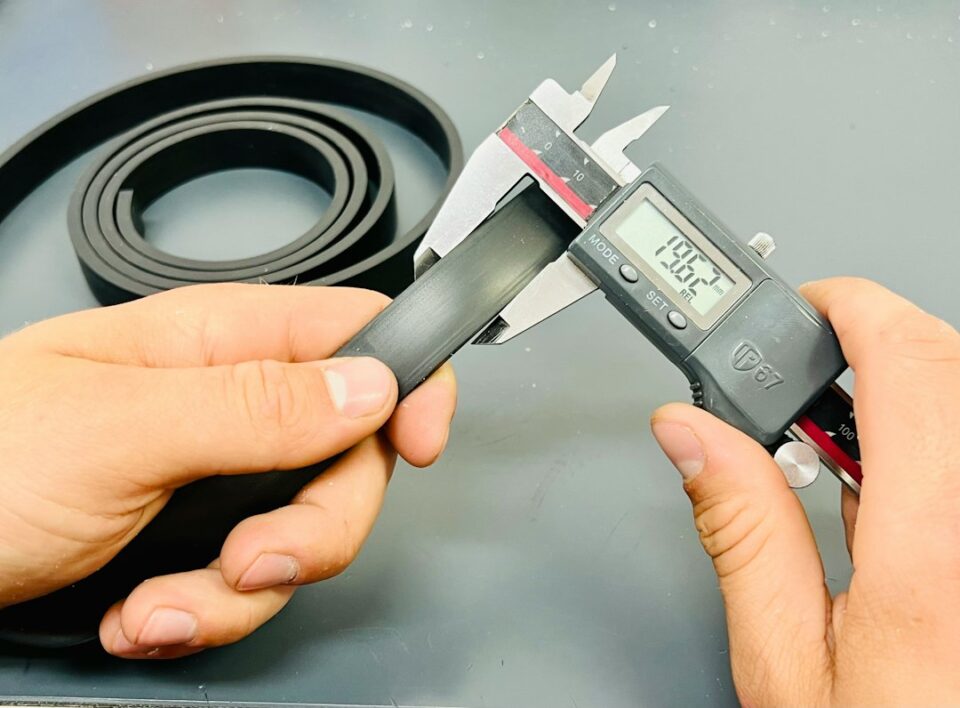
If you have ever ordered a belt and found it too long or too short, this leather belt size guide will help you stop guessing. In one place, you’ll learn how sizing works, how to measure your current belt or waist, what width to choose for different outfits, how buckles and leather types change the fit, and how to convert between inches and centimeters with confidence. Keep it handy the next time you shop online or visit a store.
leather belt size guide: quick reference
Before we dive into details, here’s a fast framework for getting to the right size without anxiety. This short list captures the habits of people who consistently buy belts that fit well.
- Start from pants size, then add 2 to 3 inches for the belt size. If you wear 34-inch trousers, a 36 or 37 belt usually lands you on the middle hole.
- For centimeter belts, add about 5 to 7 centimeters to your waist measurement. A 90 cm belt typically matches someone who wears a 34-inch pant.
- Measure an old belt from the inside edge of the buckle (where the prong meets the frame) to the hole you use most. That distance equals your target belt size.
- A correct fit puts the prong in the middle hole, leaving about 5 to 7 cm (2 to 3 inches) of tail past the buckle.
- Dress belts look balanced at 28–32 mm width (about 1–1.25 inches). Casual belts often shine at 35–40 mm (about 1.4–1.6 inches).
- Beware of brand quirks: some label the belt by overall length; others label by the distance to the middle hole. Always check the brand’s sizing note.
Use these quick rules as a checkpoint, then read on for the nuances that make the difference between “good enough” and “nailed it.”
How belt sizing works across brands
Belt sizes feel simple until different brands do different things. One brand might label a belt “36” because it measures 36 inches from the buckle to the middle hole. Another brand might label a belt “36” because the entire strip of leather measures 36 inches end to end, even though the distance to the holes is shorter. On top of that, some brands use S/M/L, and some list both inches and centimeters. Understanding the meaning behind the number saves returns and reorders.
There are three dominant labeling approaches:
- Center-hole method: The most common and consumer-friendly. The printed size equals the distance from the buckle’s inside edge to the middle hole. If you buy a 36, the middle hole should be at 36 inches. You’ll have two holes on either side for fine tuning.
- End-to-end method: Less common but still encountered. The printed size equals the total length of the belt, not counting the buckle. If the belt is labeled 100 cm, the middle hole might land at around 90–95 cm. Always read the product description or ask support to confirm.
- Pants-size mirroring: Some fashion labels mark belts as “32/34/36” to match pant sizes, without specifying whether that equals the middle hole measurement or a general range. In these cases, default to adding 2 inches to your pant size, and verify the return policy.
Women’s fashion belts add another twist. Many women’s belts are designed to sit at the natural waist or over dresses and coats, not just through jeans loops. When a belt sits higher on the torso, the circumference can be smaller. When it’s worn over outerwear, the effective circumference grows. That’s why product pages often show two measurements: the physical belt length and the fit range (for example, “fits 68–78 cm waists”). Aim for your typical wearing position, then check the range.
Finally, keep in mind that belt makers sometimes space holes differently (2.5 cm vs. 2 cm, or 1 inch vs. 3/4 inch), and the tail length varies. Those choices affect how centered the buckle looks. If a brand shares a hole spacing diagram or a “from buckle to first/last hole” note, read it. The more data you have, the fewer surprises you’ll meet when the belt arrives.
Measuring properly: three methods that work
Measurements turn a best guess into a reliable purchase. Use one of the methods below and you’ll have a repeatable process for every future belt.
- Measure a good-fitting belt (preferred): Lay your current belt flat on a table. Hook a tape measure at the inside edge of the buckle where the prong meets the frame. Measure to the hole you use most. If that distance is 95 cm, your target belt size for brands using the center-hole method is 95 cm. For inch-labeled belts, that’s about 37 inches (95 ÷ 2.54). If the brand uses total length labeling, expect the printed number to be longer than your measurement—check the seller’s chart.
- Measure your body at the wearing position: Put on the pants you’ll wear with the belt. Thread a soft tape through the belt loops and pull it to a comfortable snugness, like a belt you’d be happy wearing for hours. Note that number. Add 2–3 inches (5–7 cm) to convert to a belt labeled by belt size. This addition accounts for the thickness of the belt and the distance from the buckle to the hole.
- Use pant size +2 as a starting point: If you can’t measure, use the long-standing rule of thumb: belt size = pant size + 2 inches. It isn’t perfect for everyone, but it’s a helpful default. People with high-rise trousers or those who wear belts on the natural waist might add only 1 inch, while low-rise jeans and thick leather can push you to +3 inches.
Whichever method you use, aim to land on the middle hole in daily wear. That middle position gives you room for small changes—some days you’ll want a click tighter, other days a click looser. If you’re between sizes after converting, choose the next size up; it’s easier to use a hole closer to the tip, and many cobblers can add a hole cleanly if needed.
Fit standards: where the belt should sit
A belt that fits well doesn’t draw attention to itself; it frames the outfit, holds trousers where you want them, and looks proportional from buckle to tail. To evaluate fit, stand in your normal posture and look in a full-length mirror.
- Hole position: The prong should pass through the middle hole under typical wear. That suggests the belt size matches your habitual waist or hip circumference and leaves room for minor shifts.
- Tail length: After buckling, 2 to 3 inches of tail beyond the buckle is ideal. Too short and the tip will barely reach the first keeper; too long and the tail wraps awkwardly or sticks out.
- Keeper alignment: Many belts have one or two keepers (loops). The tail should slide through the first keeper comfortably, often landing just before or neatly inside the second keeper if there is one.
- Sit height: Belts worn at the natural waist feel different than those worn at the hips through jean loops. The higher you wear a belt, the smaller the circumference. Try the belt in the position you plan to wear it most.
- Smooth run around the body: The belt should lie flat without ripples or severe bending. A strong “smile” shape near the buckle suggests a belt that’s too tight or leather that’s very stiff and needs to soften with wear.
Because bodies fluctuate, plan for a little breathing room. Meals, seasons, and training changes can add or subtract a few centimeters. That’s why landing on the middle hole is such a helpful north star. If you tend to fluctuate more, consider micro-adjust systems that give tiny increments instead of large jumps between fixed holes.
Belt width, thickness, and loop constraints
Even when the size is correct, width and thickness decide whether a belt looks refined with a suit, effortless with chinos, or rugged with denim. They also decide whether the belt even fits through the loops.
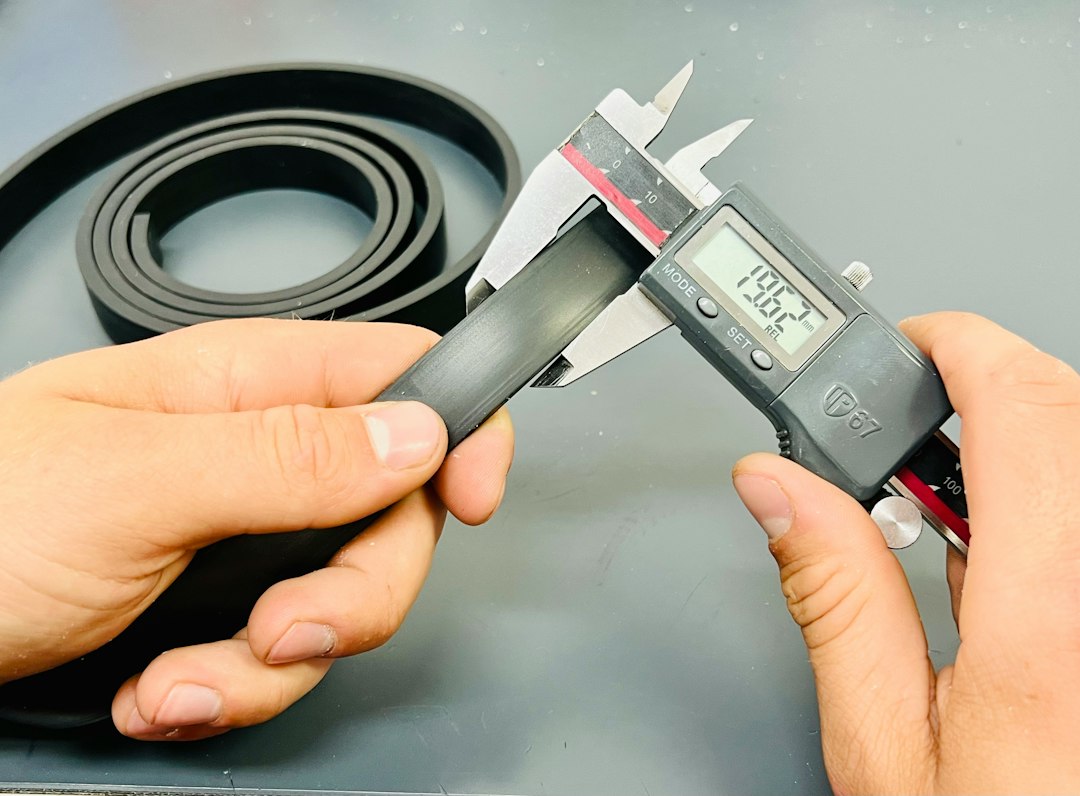
- Dress belts: 28–32 mm (about 1–1.25 inches) in width, with thinner leather, beveled edges, and a compact frame buckle. This width balances proportionally with dress trousers’ slimmer loops and finer fabrics. In very formal settings, 28–30 mm looks crisp and elegant.
- Casual belts: 35–38 mm (about 1.4–1.5 inches) works well with chinos and smart-casual outfits. Slightly thicker leather, stitched edges or raw edges, and matte hardware pair well with brushed cotton and oxford cloth.
- Denim and workwear belts: 38–40 mm (about 1.5–1.6 inches) with more substantial thickness. Full-grain vegetable-tanned leather shines here. Some denim loops won’t accept 40 mm or very thick leather, so measure a loop on your favorite jeans before buying a heavy belt.
- Women’s fashion belts: Width varies widely from skinny (10–20 mm) for dresses to wide waist belts (50–70 mm) for dramatic silhouettes. Wide belts rarely fit standard pant loops and are meant to sit on the waist or over layers.
Thickness matters for comfort and durability. Thick leather can last for years and develop great character, but it resists bending. If you prefer a belt that conforms on day one, choose mid-weight leather or a belt with a lining that eases the break-in. Also note hardware size: oversized buckles add bulk and can nudge you toward a slightly larger size if the buckle’s geometry places the prong further from your body.
Buckles and adjusters: frame, plate, clamp, ratchet
The buckle is more than decoration; it changes how a belt fits and how precisely you can dial that fit. Understanding common mechanisms will help you pair features with your wardrobe and adjustability needs.
- Classic frame buckle with prong: The familiar design. The prong passes through fixed holes. Reliable and dress-appropriate. The distance from the frame to the chosen hole defines the fit. If you care about clean symmetry, aim to use the middle hole most of the time.
- Plate or box buckle: Often found on western or heritage styles. The plate adds visual weight and sometimes length, which may impact the size you choose. When in doubt, measure an existing belt with a similar buckle to see where the middle hole lands.
- Clamp or slide buckle (no holes): Friction-based systems clamp the strap and allow infinite adjustment within a range. They’re convenient for travel, weight fluctuation, or layering over outerwear. Because there are no fixed holes, you’re not bound to 1-inch or 2.5 cm steps.
- Ratchet or micro-adjust buckle: A track sewn to the underside clicks into a ratcheting buckle, giving quarter-inch style increments. This design is discreet under a suit and comfortable for people who sit, stand, and move a lot in a day, or who want precise post-meal adjustments.
Whichever type you pick, test the buckle in real life. Sit down, stand up, and walk a few steps. A buckle that looks great but digs into your stomach, catches on your desktop, or pops when you exhale is one you’ll avoid wearing. Fit is practical before it’s aesthetic.
Leather materials and stretch over time
Not all leather behaves the same way. The type of hide, the tanning method, and the construction decide whether a belt softens quickly, holds its shape, or stretches in ways that change the fit.
- Full-grain leather: The outermost layer of the hide, with natural grain intact. It’s durable, ages beautifully, and resists stretching better than cheaper splits. A full-grain belt may feel firm at first and relax over a few weeks, but it maintains its length well.
- Top-grain leather: Slightly sanded or corrected for a more uniform look. It tends to be a bit softer out of the box than full-grain, with moderate resistance to stretch. Many refined dress belts use top-grain for a sleek finish.
- Genuine leather / split leather: Constructed from layers below the grain or bonded offcuts. It’s budget-friendly and soft early on, but it may stretch or crack sooner. If you rely on a budget belt, check fit regularly and expect a shorter service life.
- Vegetable-tanned vs. chrome-tanned: Veg-tan belts tend to be stiffer initially and develop a rich patina. Chrome-tanned belts are often supple from day one with consistent color. Veg-tan may relax by a small margin; chrome-tan can sometimes stretch more depending on construction and thickness.
- Construction: A single-thickness strap behaves differently from a stitched and lined belt. Linings add stability and reduce stretching. Stitching the edges helps the belt hold shape and look neat for longer.
Because leather adapts subtly, plan for small changes over the first month. If you’re between sizes and choose a belt that’s known to relax slightly (for example, a thick veg-tan strap), picking the size that lands you on hole two at first might place you on the middle hole after break-in. When in doubt, read product reviews for notes about stretch and feel.
Style matching for suits, chinos, and denim
Correct size is only half the story. A belt that complements the outfit’s formality and palette brings everything together. Here’s a quick orientation so you can look intentional without overthinking the details.
- Suits and tailored outfits: Keep it slim and sleek. Choose a 28–32 mm belt with a polished frame buckle that echoes your shoe color: black with black oxfords, dark brown with dark brown cap-toes, mid-brown with lighter brogues. Stitching should be fine or invisible. Matte buckles are modern but ensure they don’t fight with the watch or cufflinks.
- Business-casual and smart-casual: A 32–35 mm belt offers presence without bulk. Textured grains, subtle contrast stitching, and brushed metal buckles pair well with oxford shirts, knit polos, merino sweaters, and unstructured blazers. Tan belts with navy chinos or chocolate belts with olive trousers are reliable combinations.
- Denim and rugged casual: Go broader. A 38–40 mm full-grain strap with thick edges, a hearty keeper, and a solid brass or stainless buckle looks right at home with denim, flannel shirts, and boots. Natural, chestnut, and dark brown leathers develop character with wear and look even better as the months pass.
- Women’s dress belts: Skinny belts in the 10–20 mm range accentuate the waist on dresses and skirts, especially when they echo shoe or bag color. Wider waist belts can define shape over cardigans, shirt dresses, and coats.
Color matching is most straightforward when you pair belt and shoes. If the tones aren’t identical, aim for siblings rather than strangers—warm brown with warm brown, cool black with cool black, deep burgundy with oxblood. When you wear sneakers, you can relax the match and consider a belt that ties into your watch strap, bag, or even the metal tone of your eyewear.
Belt size conversions: inches, centimeters, and international
Conversions shouldn’t be mysterious. Once you treat inches and centimeters as two ways of saying the same thing, you’ll read any label with ease.
- Inches to centimeters: Multiply by 2.54. A 36-inch belt maps to about 91–92 cm, and most brands round to neat 90 or 95 cm steps. If you measure 37 inches from buckle to middle hole, you’re near 94 cm.
- Centimeters to inches: Divide by 2.54. A 100 cm belt equals about 39.4 inches. If you’re between numbers after converting, choose the next size up for room to fine-tune.
- Pants size to belt: Add 2 to 3 inches to your trouser size for a target belt size in inches. For centimeters, add about 5 to 7 cm to your measured waist at the wearing position.
- EU/US labeling differences: Some EU belts emphasize centimeters on the tag, while US belts emphasize inches. The underlying method (middle hole vs. full length) still varies by brand. Scan the product page for “buckle to center hole” language to confirm.
Be wary of vintage or handmade belts where markings have faded or conventions differ. In those cases, measuring from the buckle to the hole you plan to use is the only reliable compass. If you’re gifting a belt and can’t measure the recipient’s current belt, ask what pant size they wear and whether the belt will sit on jeans or higher on the waist. Then choose pant size +2 as a safe starting point and keep a gift receipt in case a different length is better.
Problem solving: common mistakes and fixes
Most belt frustrations come from a handful of avoidable missteps. Here are the problems people run into and easy ways to resolve them without stress.
- The belt is too short: If you can barely reach the first keeper, the printed size probably reflected total length rather than the middle hole. If it’s a new purchase, exchange for one that’s 1–2 sizes longer. If returns are tricky, a cobbler can sometimes transplant the buckle to a longer strap if the hardware is removable.
- The belt is too long: When the tail flaps past the second keeper, you can punch a new hole closer to the buckle as a temporary fix. For a permanent fix, a leather shop can trim the strap from the buckle end, reattach the hardware, and restore the finish so it looks clean.
- It doesn’t fit through the loops: Measure your pant loops before buying broad straps or thick veg-tan belts. If you already bought it, reserve that belt for denim or outerwear, and choose a slimmer belt for dress trousers and chinos.
- Buckle dig-in while sitting: Consider a smaller, flatter buckle or a micro-adjust system that lets you loosen by a small increment after sitting down. Sometimes moving one hole looser for desk work and back tighter for standing time solves the comfort issue.
- Leather stretching: A budget belt that gets longer with wear can push you toward using the last hole. If it’s sentimental, a cobbler can add a clean new hole. Going forward, opt for full-grain or stitched-and-lined belts that resist stretching.
- Color mismatch with shoes: If you’re between shades, let texture and finish help. A slightly darker, matte belt often harmonizes with a range of brown shoes better than a glossy belt that’s a touch off in tone.
Most issues have simple fixes, and nearly all can be avoided by measuring once and checking a brand’s sizing method. When you can, buy from retailers with clear diagrams and fair exchanges so you can swap sizes without hassle.
Buying online checklist and maintenance routine
Online shopping can be pleasantly efficient when you have a routine. Use this checklist to hit “buy” with confidence and to keep your belt looking sharp for years.
Pre-purchase checklist:
- Confirm the brand’s sizing method (middle hole vs. total length) and whether the number shown is inches, centimeters, or pant size.
- Measure either a current belt from buckle to your used hole or your body at the wearing position. Convert carefully if needed.
- Check width and thickness against your pant loops. Remember 28–32 mm for dress trousers and 35–40 mm for casual or denim.
- Choose buckle mechanism based on your lifestyle: classic prong for simplicity, micro-adjust for fine tuning, clamp for variable layering.
- Match color and finish to shoes and watch strap. If in doubt, pick a versatile mid-brown or black based on your wardrobe.
- Review the return policy and exchange window. Belts are personal; a friendly policy makes fit experiments low stress.
Break-in and care routine:
- Wear the belt for short periods the first week, especially if the leather is firm. It will contour to your body without creasing harshly.
- Rotate belts. Giving leather a day to rest preserves shape and reduces moisture buildup from daily wear.
- Wipe dust with a dry cloth. If the belt gets wet, air-dry flat away from heaters. Heat can stiffen and crack leather.
- Apply a small amount of leather conditioner when the strap looks dry, focusing on the area near the buckle where flexing is frequent.
- Store belts hanging from the buckle on a rack or rolled loosely in a drawer. Tight coils can create permanent waves in stiff leather.
When you want inspiration or brand comparisons, visit the Accessories section on our site for guides, picks, and practical styling ideas that work in real life. You can start here: Accessories.
Special scenarios: tailoring, body changes, and layering
Life throws curveballs at sizing. Tailoring tweaks waist measurements, bodies change, and layering through the colder months adds bulk. Planning for these scenarios makes your belts flexible allies rather than rigid rules.
- After tailoring: If your trousers are taken in or let out, test your favorite belts. A 2 cm change in waistband can shift you a hole or two. If you own a micro-adjust belt, it becomes your easiest companion during transition periods.
- Training and seasonality: People who lift, run, or change routines often notice minor shifts in waist size. Landing on the middle hole at baseline gives room to tighten or loosen without buying a new strap.
- Layering over knitwear and coats: When a belt cinches a sweater dress, cardigan, or coat, treat those looks as their own category. Measure over the exact layers you plan to wear. Some clamp and micro-adjust designs shine here because the fabric thickness can vary day to day.
- Maternity and postpartum: Adjustable systems reduce the number of belts you need while your body changes. For fashion belts at the waist, choose designs with generous hole ranges or soft elastic panels that still look refined.
In short, a great belt system for your wardrobe might include a classic prong belt in a dress width, a hearty casual strap for denim, and one micro-adjust belt for travel, layering, and body changes. With those three, you’ll cover almost every situation with minimal overlap.
Quality signals: getting value for money
Value in belts doesn’t always mean the highest price. It means spending on construction details that you feel and see every time you buckle up.
- Leather quality: Full-grain or well-finished top-grain ages gracefully. Run a finger along the cut edge—natural, solid edges signal a real leather strap, while fuzzy or fabric-like edges suggest splits or bonded layers.
- Edge finishing: Clean burnished or painted edges reduce fray and feel smooth in the hand. Wavy or uneven edges often show rushed production.
- Stitching: Straight, even stitching with tidy backtacks signals care. On a lined belt, stitching should sit tight to the edge without wandering.
- Hardware: Solid brass or stainless steel resists corrosion and feels solid. Lightweight, rattly buckles often chip or bend over time.
- Attachment method: Chicago screws or rivets allow buckle swaps; stitched-in buckles are permanent but can be refined and quiet. Choose based on how much you like to customize.
When brands show a “buckle to hole” diagram, list leather type, and highlight hardware materials, they’re usually proud of their work—and that transparency helps you compare apples to apples. Reviews that mention long-term comfort and stable sizing are also a good sign that you’ll get years of wear for your money.
Putting it all together
Belts are simple tools with a few moving pieces. Once you measure from the buckle to your used hole, add a couple of inches to pant size as a cross-check, pick a width that suits the outfit, and choose hardware that fits your lifestyle, you’ll buy confidently and wear comfortably. Keep this guide bookmarked, and the next time you see a size number on a product page, you’ll know exactly what it means and how it will feel when you fasten the buckle.
Want more practical style guides and product picks that make daily dressing easier? Browse our latest stories in Accessories and keep building a wardrobe that works for you.