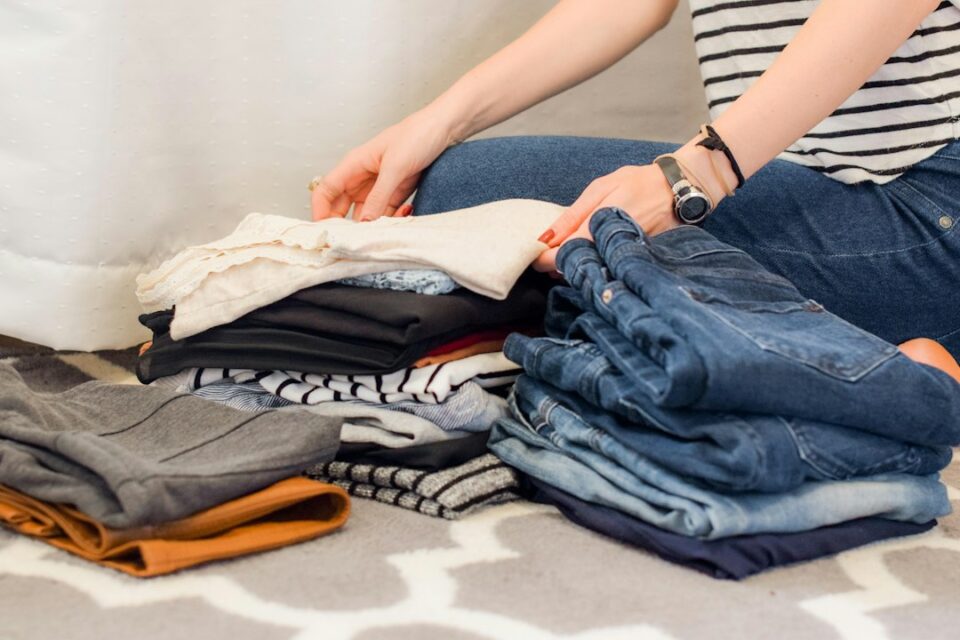
A travel capsule wardrobe is a small, intentional set of clothes that mix and match so you can pack less, move freely, and still feel polished from day one to the flight home. The idea is simple: select high-performing fabrics, keep a tight color palette, and plan outfits before they land in your bag. The result is fewer decisions, less weight, and more confidence, whether you are city-hopping in Europe, island-bound, or presenting in a conference room far from home.
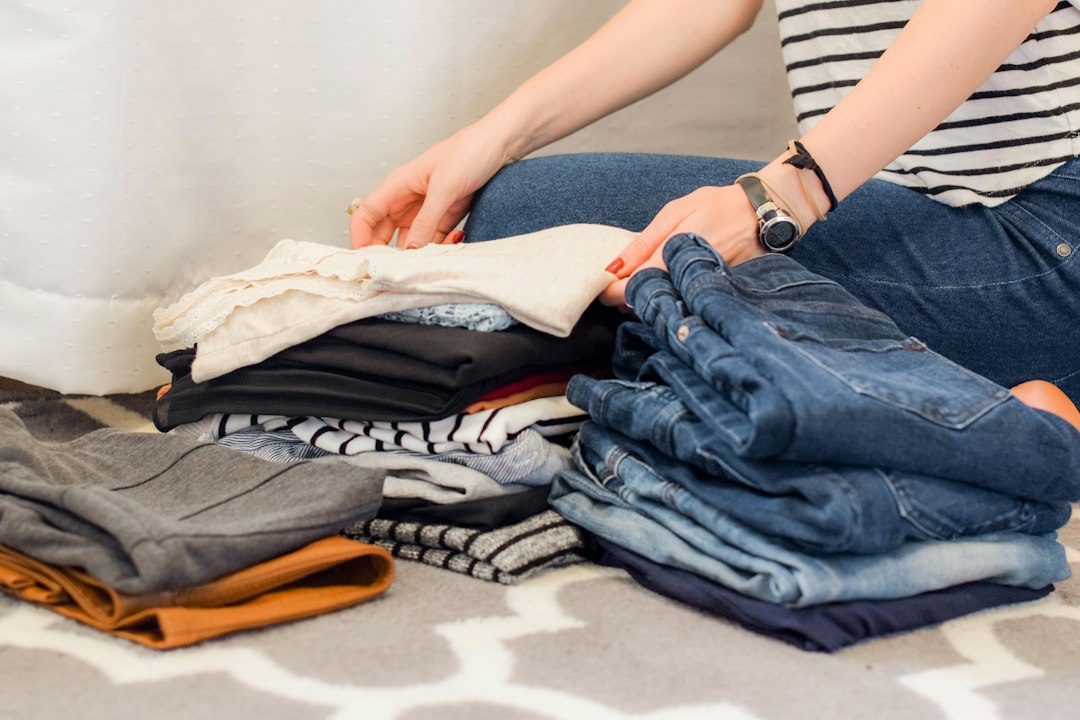
What a travel capsule wardrobe looks like in practice
Think of a capsule like a tiny closet with superpowers. Every piece works with most others. Jackets layer over tees and dresses. Shirts tuck into trousers or shorts. Shoes handle more than one role. You do not need a different outfit for each day; you need a set of components that can be recombined quickly. The capsule mindset turns your luggage into a toolkit: fewer tools, more results.
At its core, a practical capsule has three tiers:
- Base pieces worn closest to the skin: tees, tanks, underwear, and socks. These should dry quickly and feel good all day.
- Core outfits that build your daily looks: one or two pants, shorts or a skirt, one casual shirt, one elevated shirt or blouse, and a light mid-layer.
- Outer and specialty items that expand your range: a packable jacket, a cozy layer, and a weather-ready shell when conditions call for it.
For a seven-day trip, as a baseline, pack two casual tops, one elevated knit or blouse, one breathable long sleeve, two bottoms, one light sweater, one packable jacket, and two pairs of shoes. With accessories and one strategic laundry session, that tiny list can yield a dozen or more distinct outfits. The magic comes from interchangeability: the dark trouser works with every top, the sweater layers over everything, and both pairs of shoes cross daytime and evening contexts.
Capsules are not only for minimalist travelers. Parents juggling strollers and snacks appreciate not hauling a second suitcase. Business travelers get out of rideshares faster. Adventure travelers can pivot when a beach plan becomes a windy hike. The point is not deprivation; it is control. You decide what belongs and why, then let the small set earn its keep every day of the trip.
Start with the trip: purpose, climate, and activities
Your itinerary is the blueprint. Before pulling items from your closet, map the trip’s rhythm: How many days? Indoor versus outdoor time? Dress codes? Temperature swings? Humidity? Likely wind and rain? Will you be active or mostly strolling? Thirty quiet minutes of planning often saves several pounds of luggage and the drag of unused “just in case” pieces.
Build a quick brief you can reference while packing:
- Purpose: leisure, work, family, adventure, or a blend.
- Climate: check daily highs/lows, humidity, precipitation, and sunrise/sunset times. Look at hourly forecasts for a realistic feel of mornings and nights.
- Activities: museum days, beach time, trail walks, client dinners, co-working sessions, rooftop bars, religious sites, or stadiums.
- Constraints: modesty guidelines, restaurant dress codes, cultural norms around shoulders, knees, or head coverings, and safety gear requirements.
Translate that brief into scenarios. For example, a spring week in Barcelona with sightseeing, cafés, and one nice dinner suggests two casual-smart outfits on rotation, one athletic look for a park run, and an elevated look for the dinner. A winter workweek in Chicago might mean two shirts, two knits, one blazer, two pairs of trousers, a warm coat, and water-resistant boots. Naming the scenarios turns packing into a measured decision rather than guesswork.
When in doubt, practice at home. Stage three complete outfits for a single day on your itinerary, put them on in sequence, and note what works or rubs—especially shoes, waistbands, collars, and straps. It is easier to adjust at home than the night before departure.
Fabrics that work hard in real life
Fabric choice quietly decides most of your travel comfort: how your clothes breathe on a crowded tram, how fast a sink wash dries, whether a shirt looks rumpled after a nap, and how fresh garments feel on day three. Favor performance and natural blends that feel good and bounce back fast. Test them on an ordinary weekday and after a hand-wash. Aim for pieces that dry overnight and resist deep creasing.
- Merino blends (or performance wool): Naturally breathable across wide temperature bands and often stays fresh longer when aired out. Excellent for tees, socks, light sweaters, and beanies. In warm weather, a thin merino tee often beats cotton for comfort.
- Poly/nylon with elastane: Quick-drying, durable, and commonly wrinkle-resistant. Ideal for travel shirts, chinos, skirts, and light jackets. Look for mechanical stretch or 2–5 percent elastane for comfort in cramped seats.
- TENCEL/Modal blends: Smooth drape, cool to the touch, and often kinder to skin on long days. Great for flowy tops and dresses that read relaxed in the day and refined at night.
- Technical cotton blends: The casual look of cotton with better drying and recovery. Good when you want a natural hand feel without high maintenance.
- Down or synthetic insulation: Packable warmth for cold mornings and evenings. Synthetic fills handle damp better; down packs smaller in dry climates. Many brands offer ultralight vests that layer invisibly.
Inspect construction. French seams and tight stitching ride smoother under backpack straps. Bonded hems reduce bulk. Collars with soft interlining look sharp without feeling stiff. Consider garment weight (GSM) as a proxy for performance: a 150–170 GSM merino tee is a reliable all-rounder; 200–250 GSM feels warmer and more opaque in cooler shoulder seasons.
Finally, mind colorfastness and laundry tolerance. Dark denim can bleed onto sneakers in unexpected rain. Some technical pieces dislike high heat. If you plan to hand-wash, choose items labeled for cold water and quick drying. That small planning step keeps your capsule reliable instead of fussy.
Color palette and repeatable outfit formulas
Color is the glue that makes a small set feel much bigger. Choose one dark neutral (navy, black, or charcoal), one light neutral (stone, sand, light gray, or off-white), and one or two accents you genuinely enjoy (olive, cinnamon, sky, rust, or burgundy). Commit to the palette so everything pairs without hesitation: the jacket layers over every combo, both bottoms work with every top, and your shoes harmonize with all of it.
Then decide on formulas—repeatable outfit templates that fit your itinerary. These formulas remove decision fatigue and make mixing predictable.
- City casual: breathable tee + tapered chinos + lightweight jacket + low-profile sneakers.
- Smart casual: no-iron shirt or blouse + dark trouser or skirt + belt + leather sneaker or loafer.
- Outdoorsy day: sun shirt + technical short or trail pant + packable wind shell + trail-ready sneaker.
- Evening simple: drapey top or knit dress + compact crossbody + refined flats or loafers.
- Hybrid workday: elevated knit + stretch trouser + unstructured blazer + clean sneakers.
Audit each potential item against at least two formulas. If a shirt only fits one niche scenario, it probably does not earn its space. Accessories then add personality without bulk: a silk scarf, a compact belt, a hat, and small jewelry can change a look’s tone with minimal grams. If you love color, let accents live in these smaller items so your main garments continue to cross-pair easily.
The footwear strategy that saves space
Shoes are volume hogs, so a deliberate plan frees the most space. Aim for two pairs; add a third only if your activities are diverse enough to demand it. Prioritize comfort, versatility, repairability (removable insole, replaceable laces), and how well each pair straddles multiple settings.
- Everyday sneaker: neutral color, cushioned, presentable with jeans and chinos, and comfortable for long walking days. Test them on cobblestones or rough sidewalks at home.
- Elevated option: a loafer, refined sneaker, Chelsea boot, or ballet flat that handles dressier dinners and meetings. Dark, simple profiles stretch the most.
- Activity-specific (optional): sandals for beach climates, a trail shoe for hikes, or a water shoe for river days. Pack only if your plan truly needs it.
Wear the bulkier pair on the plane, pack the lighter one. Use a shoe bag or shower cap to protect clothes, and stuff socks or small accessories inside to reclaim volume. If you are sensitive to arch support, bring the insoles that work for you. A five-minute insole swap in your hotel room beats nursing sore feet on day three.
Break shoes in before you fly. A 30–60 minute walk on consecutive days reveals pinch points you can address with lacing techniques or a different sock weight. If rain is likely, a light application of appropriate protectant and a quick seam check reduce surprises.
Packing math: counts, laundry cadence, and outfit matrix
Right-sizing your capsule is part art and part arithmetic. The math below strikes a practical balance for seven- to ten-day trips, whether you lean leisure or light business. Adjust counts up or down by one based on climate extremes or limited access to laundry.
- Tops: 4–5 (two casual tees, one elevated knit or blouse, one breathable long sleeve, and an optional fifth wild card).
- Bottoms: 2–3 (one dark trouser, one casual chino or skirt, and an optional technical short or second trouser depending on weather).
- Layers: 1–2 (light sweater and a packable shell or compact jacket).
- Shoes: 2 pairs (one everyday, one elevated or activity-specific).
- Underwear & socks: 3–5 sets depending on laundry plans; merino socks can be rinsed and dried overnight.
Use a quick matrix to visualize outfits. If three tops pair with two bottoms, you start with six outfits before adding layers, scarves, or shoe swaps. With five tops and three bottoms, you have fifteen combinations. Add a sweater and belt to push that further. The famous “10×10” challenge (ten items—tops, bottoms, layers—mixed into ten outfits) can cover a week without boredom. If your schedule includes a presentation or special dinner, let one piece (a knit blazer, matte dress, or statement blouse) handle that moment and still play nicely elsewhere.
Plan a realistic laundry cadence. One sink wash mid-trip halves your underwear and sock count while keeping everything fresh. If laundromats are available, a 90-minute wash–dry–fold stop can reset your entire kit. Pack a palm-sized laundry bar or travel liquid, a universal sink stopper, and a line or a few clips. After a day out, hang what you wore; many performance fibers shed wrinkles and odors overnight. A small spritz of plain water smooths creases on synthetics remarkably well.
Seasonal and regional playbooks
Different regions and seasons call for nuanced tweaks to the same foundational system. Adjust fabrics, weights, and a specialty item or two; keep your color logic and outfit formulas intact.
- Tropical coast: airy shirts, quick-dry shorts, one breathable dress or two, a packable sun shirt, light sandals, and a crushable hat. Favor lightweight weaves and fast-drying pieces for humid evenings. Linen blends or seersucker can add comfort if you accept gentle texture.
- European shoulder season: merino or performance-knit long sleeve, slim dark trouser, breathable oxford-style shirt, compact wind/rain shell, and leather sneakers. Scarves transform repeat outfits and add warmth without bulk.
- Winter city: heat-managing base layer, mid-weight wool-blend sweater, dark jean or tech trouser, insulated parka or wool coat, and water-resistant leather boots. Prioritize wind-blocking outerwear and layer-friendly cuts; gloves and a beanie pay off daily.
- Mountain weekend: sun-protective tee, fleece or grid mid-layer, softshell pants, packable insulated jacket, trail shoes, and a beanie. Evenings are simple: dark tee plus clean pants works in most casual restaurants.
- Hot–cold swings (desert, high altitude): modular layers are everything. A breathable tee, light long sleeve, compressible puffy, and compact shell can handle 30–40°F swings with minor swaps.
Wherever you go, reduce single-function items. A knit dress that pairs with sneakers by day and with a belt and flats by night outruns two purpose-built outfits. Likewise, a matte travel blazer can elevate denim, wrap over a tee, and partner with trousers for clients.
Specialty add-ons that earn their place
Even the tightest capsule benefits from a few small but mighty extras when the itinerary calls for them. Choose intentionally and demand multiple uses from each piece.
- Packable shell: a light wind- and rain-ready shell layers over anything and doubles as a plane pillow when rolled. In warmer climates, a shell replaces a heavier jacket entirely.
- Ultralight down or synthetic vest: warmth with minimal space, pairs under a shell or over a tee on cold mornings, and acts as an extra layer for outdoor dinners.
- Convertible scarf: warms your neck, serves as a blanket on flights, covers shoulders for sites that require it, and dresses up basics. Choose a color that ties your palette together.
- Swimwear: even in city trips, a hotel pool or spa is worth a dip. Many modern swim shorts pass as casual shorts; some one-pieces double as base layers under a top.
- Compact belt: defines shape, makes tees feel more intentional, and helps flip day outfits to evening with zero bulk.
- Compression socks: for long flights or train rides, they can make arrival days more comfortable. Choose breathable, light support versions if you are new to them.
As a rule of thumb, if an item cannot cover at least two scenarios—ideally three—it probably does not belong in a lean capsule, unless it addresses safety or cultural requirements. Those priorities eclipse fashion every time.
Care, quick laundry, and on-the-road refresh
Care routines are lighter than most travelers expect. Spot-clean when practical, air garments overnight, and rotate pieces. If you plan one sink wash mid-trip, you can cut underwear and sock counts and still feel fresh every day. A small kit makes quick care easy:
- Quick wash kit: a small solid laundry bar or travel-size liquid, a universal sink stopper, and a clothesline or a few travel clips. A microfiber towel helps press out water before hanging.
- Evening reset: hang worn items in moving air—near a cracked window or an HVAC vent. Many performance fibers relax wrinkles overnight. Gently spritz with water and smooth by hand.
- Shower steam: hang a shirt in the bathroom while you shower to soften wrinkles; then lay flat or hang with space around it to finish drying.
- Footwear freshness: rotate pairs, air shoes by the window, and pack thin cedar chips or paper sachets. Swapping insoles between pairs lets you dry one set while you wear the other.
Skip hotel irons unless a garment truly needs a press. Packing pieces that bounce back with minimal fuss is the essence of a stress-light capsule. If a fabric demands constant coaxing in your normal life, it will likely ask for even more attention on the road.
Maintain, store, and iterate between trips
A capsule gets better with each trip when you treat it like a tiny toolkit you maintain. Clean and air everything when you return. Inspect seams, hems, and buttons; address small repairs early so you are always trip-ready. If a piece disappointed—collar rub, stiff belt, heel hotspot—note it and swap it before your next departure.
Store your kit together, either in a labeled cube or a small garment bag, so you can pack in minutes when plans pop up. Keep a running note on your phone titled “Next Trip Fixes.” Capture the little things: socks wore thin, hat too warm, shirt fabric snags easily, or dress code felt tighter than expected. Before your next booking, replace or adjust those pieces so your wardrobe steadily improves instead of drifting back into randomness.
Over time, many travelers create two capsules: a warm-weather and a cool-weather base, each with modest substitutions by destination. That way, your “default ten” are always dialed, and you just layer in a specialty piece for snow, surf, or boardrooms.
Example capsules for common itineraries
Use these templates as starting points, then tune counts, fabrics, and footwear to your climate and purpose.
Seven-day city break (gender-neutral)
- Tops: 2 breathable tees, 1 no-iron button-up or blouse, 1 long-sleeve knit, 1 optional polo or drapey top.
- Bottoms: 1 dark trouser (tech or wool blend), 1 light chino or skirt, 1 technical short (warm climates) or second trouser (cool climates).
- Layers: 1 light sweater, 1 packable shell or compact jacket.
- Shoes: 1 clean everyday sneaker, 1 elevated shoe (loafer/flat/refined sneaker).
- Accessories: scarf, compact belt, low-profile hat, minimal jewelry, sunglasses, small crossbody.
- Underwear & socks: 3–5 sets, plus sleepwear that can double as loungewear.
Hybrid work + leisure (4 weekdays + 3 weekend days)
- Work tops: 1 oxford or blouse, 1 jersey or knit top that reads polished, 1 elevated tee.
- Casual tops: 2 tees (merino or performance cotton).
- Bottoms: 1 dark trouser with clean lines, 1 chino or skirt, 1 jean or tech pant.
- Layers: 1 unstructured blazer or knit jacket, 1 light sweater.
- Shoes: 1 leather sneaker, 1 loafer or flat; optional third if you plan a trail or gym session.
Summer coast (hot, humid)
- Tops: 2 airy shirts (linen blend or TENCEL), 1 tank or breezy tee, 1 sun shirt.
- Bottoms: 1 quick-dry short, 1 light chino short or skirt, 1 flowy pant or dress.
- Layers: 1 ultralight sun/bug-resistant layer; skip heavy knits.
- Shoes: 1 sandal with real arch support, 1 light sneaker. Water shoes if river days are planned.
Winter city (cold, windy)
- Tops: 2 warm base tees (merino recommended), 1 long-sleeve shirt or blouse, 1 heavier knit.
- Bottoms: 1 lined or thicker trouser, 1 dark jean or thermal-tight + skirt combo.
- Layers: 1 insulated parka or wool coat, 1 compact puffy or vest.
- Shoes: 1 water-resistant leather boot, 1 everyday sneaker for indoor-heavy days.
These templates provide the spine. Your palette, accessories, and a single statement piece make them yours.
Business and formal scenarios, simplified
When your trip includes meetings or talks, aim for polish without the baggage of a full suit case. A stretch-wool or performance-blend blazer layers over tees by day and over a crisp shirt by night. Dark trousers with a clean line handle both sneakers and loafers. Bring one tie or scarf that changes the tone instantly. Use garment shields or a thin base tee to keep the outer layer feeling fresh longer, and hang jackets immediately after wear to release creases.
If you need to pack a suit or formal outfit, place it in a lightweight garment sleeve, then roll the sleeve gently into your bag to avoid sharp folds. For dresses, matte technical fabrics often look elevated while resisting creases far better than ultra-light silks. Keep jewelry minimal and versatile: a single pair of studs, a tiny pendant, and a slim bracelet usually cover the spectrum from casual coffee to client dinner.
Accessories and small tools that multiply options
Small items can swing a look from daytime wanderer to evening-ready without adding weight. A leather or braided belt defines shape and makes tucked tees feel intentional. A silk or modal scarf adds warmth, protects from sun, covers shoulders in sacred sites, and shifts the color story of repeat outfits. Minimal jewelry rides in a tiny pouch and brings a bit of ceremony to dinner.
Consider a compact crossbody with a strap that adjusts long to short. It keeps your hands free, secures documents, and transitions seamlessly from sightseeing to evening. A low-profile cap or crushable hat offers shade and disguises a hair day three that would otherwise demand time you would rather spend exploring. Packing cubes, a quarter-size zip bag for chargers, and an ultralight tote (for groceries or beach towels) keep your bag organized in small hotel rooms and night trains alike.
Test run, checklists, and packing day blueprint
Two weeks before you fly, do a rehearsal. Assemble the full capsule and take photos of every outfit combination in a mirror or timer shot. You will learn which pieces truly pair and which need a swap. Wear your heaviest outfit to the grocery store or for a long walk: How does it feel after 90 minutes of movement, a sit-down coffee, and a little drizzle? Adjust counts and fabrics based on proof rather than hope.
Use a short, reliable packing day checklist so stress does not creep in. A template many travelers like:
- Clothes: 4–5 tops, 2–3 bottoms, 1–2 layers, 2 shoes, 3–5 underwear/socks, sleepwear, scarf/hat/belt, swimwear if applicable.
- Care: laundry bar or liquid, sink stopper, line/clips, stain pen, microfiber towel, fabric spray (travel size).
- Tech: phone, headphones, chargers, plug adapter, power bank, eSIM or SIM tool, and a small zip bag to corral cables.
- Docs & money: passport, cards, a small emergency cash stash, itinerary PDF, and any confirmations saved offline.
- Health & comfort: lip balm, hand sanitizer, refillable water bottle, tissues, and a tiny pouch of meds you use regularly.
Finally, weigh your bag when packed, then remove about ten percent if you can. Most travelers never miss the last extra top or second “maybe” layer. The freed space welcomes grocery-shop snacks, a paperback from a local store, or a small artisan piece you will actually use at home.
Want more pack-light style ideas and tested gear picks? Explore our Travel Apparel features and guides in the Travel Apparel hub on arlostyle.com.
With a focused plan, fabrics that work as hard as you do, and a consistent palette, a small set of clothes can take you almost anywhere. The travel capsule wardrobe is less about limitation and more about freedom—the freedom to move, to change plans, and to enjoy the trip without dragging a closet behind you.