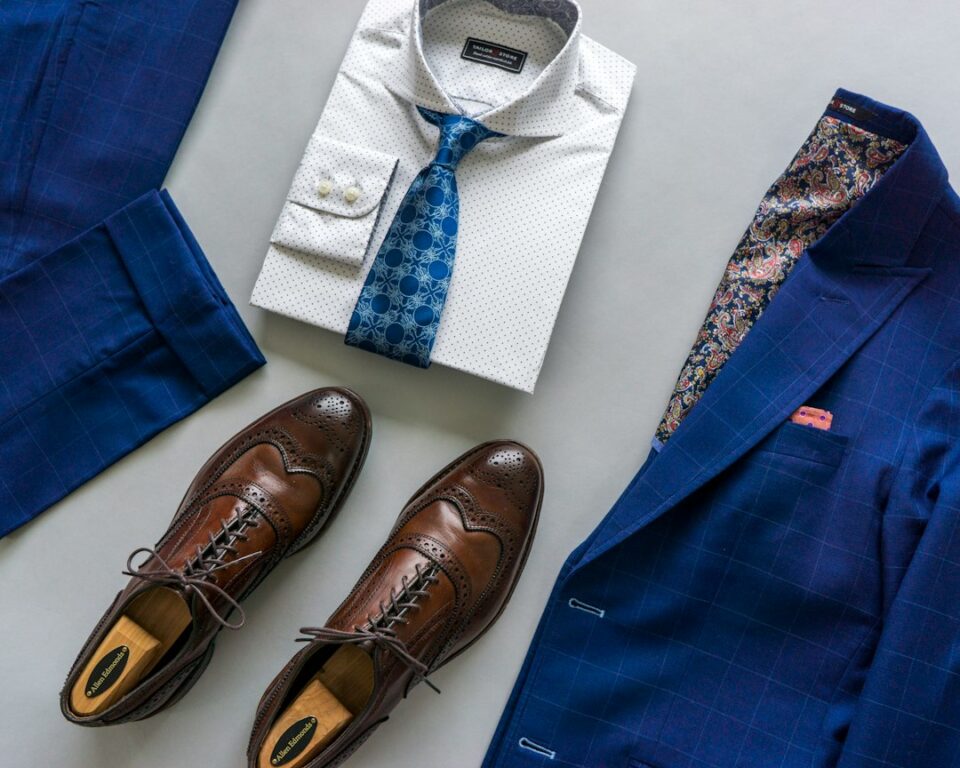
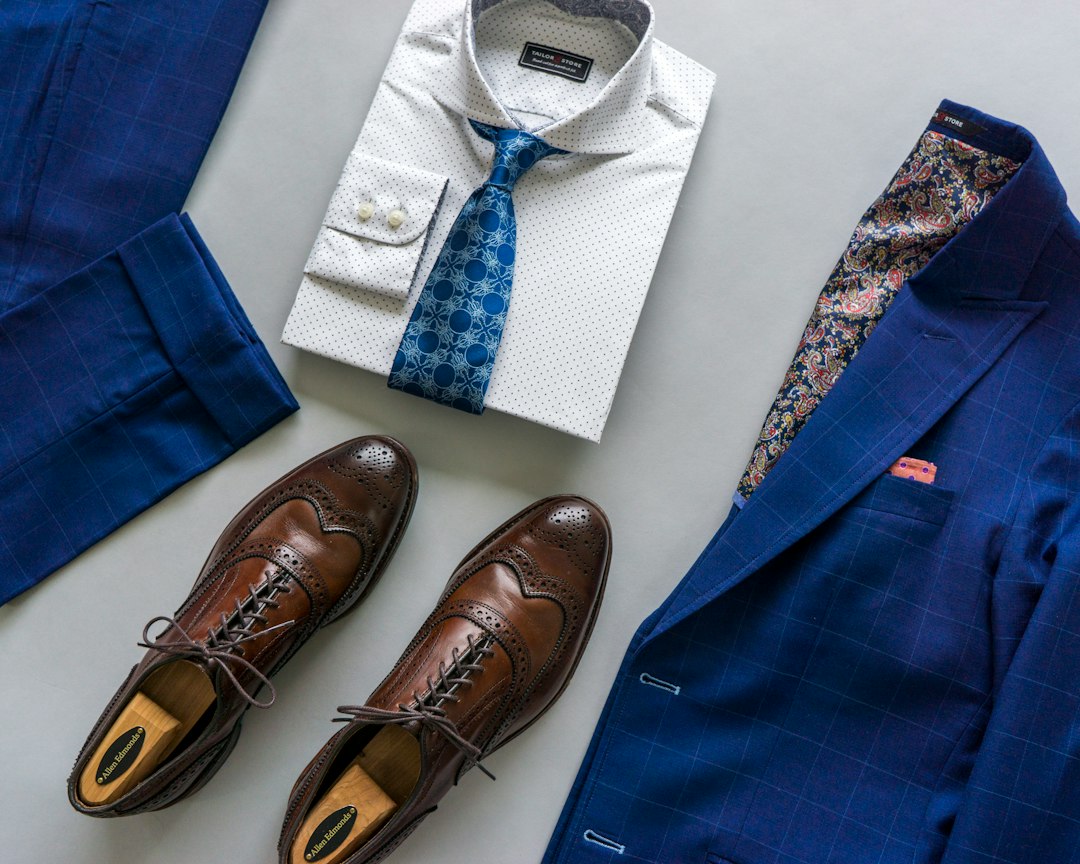
If you have been curious about capsule wardrobe essentials, this is your practical playbook for 2026. The idea is simple: own fewer pieces that do more work. The execution, however, is where most closets stall. What to pick, which color palette to anchor, how many shoes are enough, whether denim counts as a neutral, and how to keep everything looking sharp month after month—these are the questions this guide answers with clear lists, examples, and outfit formulas. If you want more context on silhouettes and seasonal directions, you can also explore our Trend Style hub here: arlostyle.com/category/trend-style/.
Think of a capsule as a tiny, well-planned team: every player complements the others, and you can field different lineups without buying more. You do not need expensive clothes; you need compatible clothes. Below you will learn the 80/20 closet math, a smart color system, fabric picks that work across seasons, a core list of pieces, and how to rotate modules for summer and winter. There is also a shopping checklist, budget tiers, and care routines so your investment stays in shape for years.
What counts as capsule wardrobe essentials
Capsule thinking is not about owning a specific number; it is about making deliberate choices. Essentials are the pieces that pair with almost everything else, show up multiple times a week, and anchor your personal uniform. They are usually neutral in color, clean in silhouette, and high in repeat-value. A capsule becomes powerful when each item meets three tests: compatibility, durability, and frequency of wear.
- Compatibility: the item plays nicely with at least five other pieces you own.
- Durability: the fabric and construction hold shape and color under regular wear.
- Frequency: you reach for it weekly across different situations, not just a rare event.
Essentials are not boring. They are the canvas for expression—scarves, jewelry, belts, eyewear, socks, and even nail color become the accents that keep repetition from feeling repetitive. Your capsule should reflect your actual week. If your life is 60 percent office, 30 percent casual, and 10 percent evening, the capsule should mirror that ratio in structure and shoes. If you are often on video calls, prioritize necklines and crisp shirts. If you walk a city daily, footwear comfort becomes an essential property, not a perk.
Set a quick baseline by listing the last 10 outfits you wore. Highlight the repeating pieces. Those repeats—often a favorite trouser, a blazer, a pair of dark jeans, and clean sneakers—are your first true essentials. Build around them before adding anything new.
Plan your numbers with the 80/20 closet math
Most people wear 20 percent of their wardrobe 80 percent of the time. A great capsule flips that: 80 percent of the closet is wearable in any given week because combinations are planned. Use this adaptable model as a starting point, then adjust for climate and dress code.
- Core tops: 6–8 (button-downs, high-quality tees, fine-gauge knits)
- Core bottoms: 4–5 (trousers, denim, tailored shorts or skirts)
- Layers: 3–4 (unstructured blazer, structured blazer, cardigan, light jacket)
- Dresses or one-piece options: 1–3 (if you wear them)
- Shoes: 3–5 (smart leather, sneaker, weather pair, optional evening)
- Bags: 2–3 (daily tote or backpack, crossbody, compact/evening)
- Outerwear: 1–2 per climate (trench, wool coat, puffer or shell)
To make numbers work for real life, map your week. If three days are office-facing and two are casual, your ratio of tailored to relaxed pieces should follow suit. If you travel, a second blazer and a wrinkle-resistant trouser earn slots. If you live where it rains often, a weather-ready shoe moves from nice-to-have to core. The numbers are a scaffold; the wins come from how those pieces create outfits in the contexts you actually face.
Perform a monthly “capsule audit” in five minutes: pull every item that was not worn in the past four weeks and ask why. Is it fit, color, fabric, or occasion? Address the reason (tailoring, dye-fee swap, layering trick, or realistic retirement) and return only useful players to the rack.
Build a color system that never clashes
A capsule works because colors coordinate without effort. Start with two base neutrals and one secondary neutral, then add one or two accents. Keep hardware tones consistent so belts, bags, and shoes harmonize. Matching depth before hue is the shortcut: light with light, dark with dark.
- Base neutrals (choose two): black, navy, charcoal, chocolate, stone, camel
- Secondary neutral (choose one): ivory, white, grey, olive, taupe, denim indigo
- Accents (choose one or two): soft blue, forest, burgundy, rust, blush, mustard
- Hardware: pick silver/cool or gold/warm and stay within that family for daily pieces
Denim functions like a neutral across nearly all palettes, bridging cool and warm mixes. If your base is black and stone, burgundy or forest adds richness; if your base is navy and camel, rust or blush offers warmth without noise. When you add a new color, test it against five items you own. If it pairs with fewer than three, it is an accent scarf; if it pairs with five, it can be a top or knit; if it pairs with eight or more, you can consider it for tailoring.
Use a simple hanger method to confirm palette success. Group clothes by color family on the rail—blacks, navies, camels, stones, whites—and keep accents on the far right. If the middle looks calm and the right looks like optional spice, your palette is doing its job. If the rail looks like confetti, consolidate to two base neutrals and rehome or pause new hues until combinations stabilize.
Fabrics and construction that hold shape
Fabric choice doubles the mileage of a small closet. Prioritize fibers that deliver structure or drape without high upkeep. Construction details matter as much as fiber content: seams, linings, stabilizers, and hems are the quiet features that keep items looking polished.
- Fine merino: breathable and resilient, great for light knits and base layers.
- Cotton poplin and oxford: crisp shirts that layer cleanly under blazers.
- Tropical wool and wool blends: four-season trousers and blazers that hold shape.
- Tencel/lyocell: fluid drape for blouses and dresses; travel-friendly.
- Stretch denim with 1–2% elastane: comfort without bagging out.
- Gabardine and twill: durable structure for tailored bottoms.
- Water-repellent tech weaves: trench or commuter shells that breathe.
Construction checkpoints worth learning: a blazer that rolls gently at the lapel without bubbling, shoulder seams that sit on—not over—the edge of your shoulder, hems that fall level to the ground, and waistbands that sit flat without gaping. Use the squeeze-and-release test: grab a handful of fabric in the dressing room, hold for five seconds, release, and see whether wrinkles drop out. If they do, the piece is friendly to regular wear.
When in doubt, choose the fabric that works across two seasons instead of one. Layering extends range: a superfine merino tee under a poplin shirt turns spring shirts into cool-weather staples; a light vest under a trench handles transitional days without committing to a heavy coat.
The core 25-piece blueprint (customize to your life)
Use this 25-piece template as your baseline, then adapt it to your climate, body, and dress code. It is gender-neutral at the category level; swap silhouettes to match your style. Focus on silhouettes that can be dressed up and down by changing shoes and outer layers.
- Shirts and tops (8): 2 crisp shirts (poplin or oxford), 2 high-quality tees (one dark, one light), 1 striped or micro-patterned shirt within your palette, 2 fine-gauge knits or polos, 1 elevated blouse or refined knit for evening.
- Bottoms (5): 1 dark denim, 1 mid-wash or ecru denim, 1 tailored trouser in a base neutral, 1 relaxed chino or soft trouser, 1 skirt or alternate trouser style (wide-leg, pencil, or pleated).
- Layers (4): 1 unstructured blazer or chore jacket, 1 structured blazer, 1 cardigan or refined zip knit, 1 lightweight jacket (bomber, field, or denim).
- Dresses/one-piece (2): 1 day-to-night silhouette, 1 seasonal option (linen or knit, depending on climate).
- Shoes (4): 1 smart leather option (loafer, oxford, pump, or block-heel mule), 1 clean sneaker, 1 weather-ready boot, 1 flexible evening or dressy flat.
- Bags (2): 1 daily tote or backpack, 1 crossbody or compact for evenings and weekends.
This template covers office, remote work, travel, weekend, and dinner. The key is interchangeability: dark denim works with both blazers and knit cardigans; the tailored trouser fits sneakers for casual Friday and loafers for a client meeting. If your week skews dressier, convert the casual jacket into a second blazer. If it is more casual, trade the second blazer for a knit overshirt. Keep ease consistent across pieces so layers slide cleanly and proportions align.
A quick fit checklist increases hit rates:
- Shoulders: seam should align with the shoulder edge; any pull lines at the back mean size up or try a different cut.
- Rise and inseam: ensure sitting comfort and a hem that hits your ideal shoe line; many brands now offer multiple inseams.
- Waist stability: trousers and skirts should sit without gaping; a small dart or discrete tab from a tailor can correct minor issues.
- Sleeve length: aim for wrist bone on shirts and just below it for blazers; a tailor can adjust most sleeves the same day.
Shoes, bags, and accessories that change the tone
Shoes and bags control the temperature of an outfit. A compact set will shift looks from work to weekend quickly without cluttering your entryway. Align leather color with your palette and keep hardware tone consistent for coherence.
- Sneakers: clean, minimal silhouette in white, black, or a shade matching your base neutrals.
- Leather shoes: loafers, oxfords, pumps, or low heels in black, chocolate, or tan; pick soles you can walk in for 30 minutes comfortably.
- Weather pair: Chelsea or lace-up boots with rubber soles; consider a waterproof finish if your climate is wet or snowy.
- Elevated option: refined boot, sleek heel, or sculptural flat that pairs with tailoring and evening looks.
- Daily bag: structured tote or backpack that fits a laptop and daily kit.
- Crossbody: hands-free for weekend and travel; test strap drop over outerwear.
- Compact bag: evening or minimal day carry with just the essentials.
Accessories multiply combinations without adding bulk. A leather belt in your hardware tone, two scarves that echo your accent color, a small rotation of jewelry that suits your face shape, and eyewear that fits your palette all pay off repeatedly. Establish a micro “accent kit”—for example, burgundy socks, a burgundy scarf, and a watch strap in the same family—so even simple outfits feel deliberate.
Outfit formulas for work, weekend, travel, and evening
Formulas save time. Use them like templates and swap colors, fabrics, and shoes to match the day. After a few weeks, you will memorize your favorites and reach for the right pieces on autopilot.
Office-smart
- Tailored trouser + fine-gauge knit + structured blazer + leather loafer.
- Poplin shirt + dark denim + unstructured blazer + sleek sneaker.
- Knit dress + longline cardigan + ankle boot.
Hybrid or creative
- Chore jacket + striped tee + chino + clean sneaker.
- Oxford shirt half-tucked + ecru denim + loafer.
- Polo or knit top + wide trouser + minimalist sandal (warm months).
Weekend
- Denim jacket + tee + dark denim + sneaker.
- Cardigan + tank + relaxed trouser + sandal.
- Field jacket + knit + tapered chino + boot.
Travel
- Stretch trouser + merino tee + unstructured blazer + slip-on sneaker (layers for temperature shifts).
- Overshirt or light cardigan + poplin shirt + dark denim + low-profile sneaker (works through security and on arrival).
- Matching knit set + trench or shell + leather sneaker (polished comfort).
Evening or polished casual
- Silk-equivalent blouse + tailored trouser + heel or refined flat.
- Dark monochrome: black knit + black denim + black loafer, silver or gold jewelry to match hardware tone.
- Blazer over knit dress + ankle boot.
Capture combinations that work. Snap a quick photo and save it in a note labeled Work, Weekend, Travel, Evening. After two weeks, you will have a personal lookbook that reduces morning decisions and keeps the capsule honest about what you actually wear.
Seasonal modules and climate planning
Instead of separate wardrobes for each season, keep your core steady and rotate “modules” at the edges. The aim is to stay comfortable without crowding the rail. For most climates, a warm-weather module and a cool-weather module are enough.
Warm-weather module (add 6–8)
- Short-sleeve knit or polo in an accent color.
- Linen-blend shirt and shorts or skirt.
- Lightweight trouser in tropical wool or Tencel.
- Minimalist sandal or breathable loafer.
- Light scarf for sun and travel.
- Unlined blazer or chore jacket in open-weave fabric.
- Breathable hat that suits your palette and face shape.
Cool-weather module (add 6–8)
- Merino turtleneck and crew.
- Wool-blend trouser.
- Base layer for extra warmth under shirts and dresses.
- Water-repellent trench or parka.
- Leather gloves and a knit beanie.
- Weather-ready boots with traction.
Pack away off-season extras in breathable bags with cedar blocks. Label storage bins by module rather than by item (“Warm Tops,” “Warm Bottoms,” “Warm Shoes,” etc.). When you rotate, scan for gaps and duplicates. If a piece sat idle for the entire season, decide whether it needs tailoring, a better pairing partner, or retirement.
Care, storage, and minor alterations
Care habits extend the life of a small closet dramatically. Simple routines give you the biggest returns while keeping effort modest.
- Brush and air: after wearing wool, brush lightly and hang outdoors or near an open window for a few minutes.
- Steam over wash: a garment steamer refreshes shirts and knits; washing less often preserves fibers and shape.
- Spot clean: dab stains promptly with water and mild soap, then air dry flat; confirm colorfastness first.
- Shave pills: use a fabric shaver on knits to maintain a neat surface.
- Rotate shoes: give leather a day off between wears to dry and keep shape.
- Condition leather: a small amount of cleaner/conditioner keeps bags and shoes supple.
- Use the right hangers: broad-shoulder for jackets, padded for delicates, slim non-slip for shirts.
- Fold heavy knits: avoid stretching by storing folded on shelves.
Minor tailoring turns good pieces into great ones. Shorten a sleeve, nip a waist, or hem trousers to your ideal shoe line. If you are unsure, pin or clip the area and wear the garment at home for an hour to test comfort and proportion. Keep a small repair kit (needles, matching thread, spare buttons) so little fixes do not stall outfits.
Smart shopping, budgeting, and cost-per-wear
Buy less, but buy with a plan. Use this strategy to avoid impulse purchases and to upgrade deliberately when budget allows.
Before you shop
- Audit your closet: list the top 10 outfits you wear now; note where a new piece would multiply combinations.
- Set a three-piece target: decide in advance the exact three items you are hunting (e.g., navy trouser, white tee upgrade, weather boot).
- Define fit rules: rise, inseam, sleeve length, and shoulder fit that you know flatter you.
- Fix your palette: do not add a color unless it works with at least five current items.
Good/Better/Best budgeting
- Good: reliable basics with solid construction (tees, oxfords, chinos) from trusted high-street brands.
- Better: tailored pieces in tropical wool, full-grain leather shoes, knitwear in merino or cashmere blends.
- Best: long-wear investments such as a wool coat, a blazer that fits perfectly, resolable shoes, or a daily bag that carries every day.
Allocate more budget to shoes, outerwear, and tailoring; these elevate everything else. Keep “fun” purchases as accents, not foundations. When considering a splurge, calculate cost-per-wear: estimate wears over two years and divide the price. A blazer worn twice a week for three years often beats five trend-led items that fade after one season.
Common pitfalls, troubleshooting, and a 14-day test plan
Most capsule frustrations come from a handful of repeat issues. Use the fixes below and pressure-test your closet with a short calendar.
Frequent pitfalls
- Too many statement pieces: if most items compete for attention, outfits feel loud. Fix by centering two base neutrals and limiting accents.
- Ignoring climate: rain or heat requires fabrics and shoes that match. Add one weather shoe and a breathable or water-resistant layer to the core list.
- Inconsistent hardware: mixed buckles and zippers clash subtly. Choose one metal family and adjust over time.
- Unclear fit standards: gorgeous items that do not fit will sit idle. Write down your measurements and preferred fits, then filter every purchase.
- Palette drift: accumulating random colors breaks compatibility. Pause new hues until current pieces combine into 10+ outfits.
- Neglecting care: wrinkled shirts and dull leather weaken otherwise strong outfits. Set a 10-minute weekly block to steam, brush, and condition.
A two-week capsule calendar
- Day 1: Poplin shirt + tailored trouser + loafer + structured blazer.
- Day 2: Fine-gauge knit + dark denim + sneaker.
- Day 3: Knit dress + cardigan + ankle boot.
- Day 4: Striped tee + chino + chore jacket + sneaker.
- Day 5: Silk-equivalent blouse + trouser + heel/refined flat.
- Day 6: Tee + ecru denim + denim jacket + loafer.
- Day 7: Cardigan + tank + relaxed trouser + sandal or sneaker.
- Day 8: Poplin shirt + dark denim + unstructured blazer + loafer.
- Day 9: Polo or knit top + wide trouser + minimal sandal.
- Day 10: Fine-gauge knit + trouser + trench or light coat.
- Day 11: Oxford shirt + chino + field jacket + boot.
- Day 12: Knit dress + structured blazer + heel/refined flat.
- Day 13: Tee + dark denim + cardigan + sneaker.
- Day 14: Elevated blouse + skirt or alternate trouser + ankle boot.
At the end, list the three outfits that felt most “you.” Those become your default templates. Then list three that felt off; identify whether the issue was fit, color, or fabric and adjust your plan.
Evolve with trends and keep a personal signature
Trend style and capsule thinking can coexist. The key is adding trend notes through accents or silhouette tweaks that still plug into your palette and core pieces. For example, if longer blazers rise in popularity, choose one in your existing neutral so it works with denim and tailored trousers. If textured knits show up everywhere, add a single fine merino with subtle ribbing rather than a novelty yarn that is hard to pair.
- Adopt through accessories: belts, scarves, and jewelry introduce a trend note without rewiring the closet.
- Upgrade a staple: swap your standard loafer for a lug sole or soft square toe if proportions shift.
- Test silhouettes in neutral colors first: wide trousers in your base neutral will outlast a novelty print.
- Balance proportions: if tops get longer, try a slightly shorter jacket; if pants go wider, keep shoes sleeker.
Once your basics work, add a personal signature that repeats. It could be a recurring color accent, a favorite jewelry shape, characteristic eyewear, or a consistent styling move like a half-tuck or rolled sleeve. Repetition builds recognition, which reads as confidence. For a deeper read on silhouette and seasonal direction, browse other guides in Trend Style; use them to test one change at a time against your stable framework.
End with this mindset: edit with purpose, buy with intention, and care with consistency. A small, compatible closet that fits your life is easier to live with, easier to pack, and easier to maintain. Your capsule is a living system—give it small, smart updates each season and it will keep working as hard as you do.