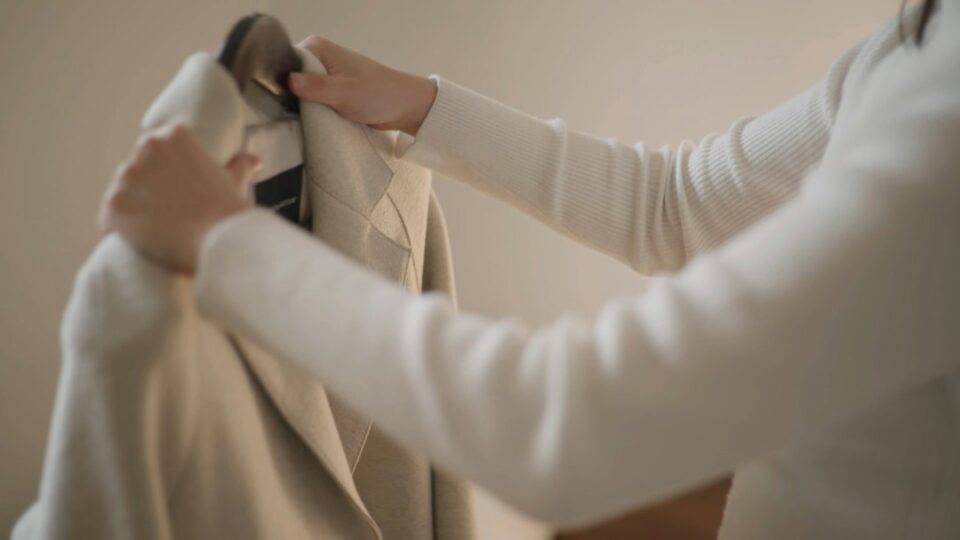
If you have been watching the rise of polished minimalism and subtle branding, you have probably searched for quiet luxury outfit ideas more than once. This guide turns the aesthetic into a repeatable, season‑ready system so you can build outfits that look refined, feel comfortable, and age well without fuss.
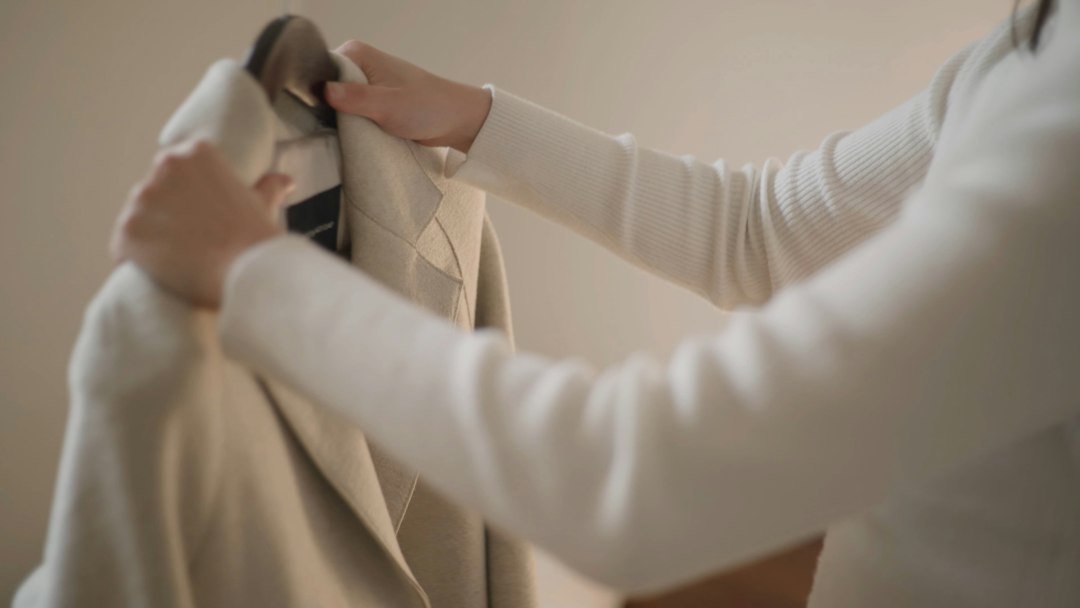
What quiet luxury actually means today
Quiet luxury is a wardrobe philosophy built on three pillars: premium materials, impeccable fit, and understated design. Instead of loud logos and trend chasing, it favors clean lines, neutral palettes, and details only a close look reveals. The power of this approach is that the pieces do the talking without ever raising their voice. You see the difference in the hand of a cashmere sweater, the drape of a wool trouser, the roll of a collar that sits just right, and the way a properly hemmed coat creates a long, uninterrupted line.
It is not code for head‑to‑toe expensive looks, and it is not a synonym for bland. It is a method for spending better rather than more, focusing on long‑term value and versatility. In practice, that means choosing a refined crewneck over a logo hoodie, a leather loafer over an attention‑grabbing sneaker, and a trench with crisp storm flaps and a clean belt over a novelty raincoat. Because the pieces are restrained, the whole look leans on texture, silhouette, and subtle contrast to create interest.
Why does quiet luxury feel timely? It aligns with a broader desire for durability, less waste, and calmer wardrobes. The aesthetic fits hybrid work, city walking, travel, and evenings out. It travels across age groups and personal styles because it is less about trend cycles and more about how clothing supports your life. The goal here is to give you practical frameworks so your closet produces polished looks on autopilot.
quiet luxury outfit ideas for daily life
Let’s translate the concept into specific combinations that work Monday to Sunday. Use these as templates, then swap pieces according to climate and preference.
- City commute: camel topcoat, charcoal merino crewneck, tapered navy wool trousers, black leather loafers, slim belt, and a minimal tote. Add a silk scarf in a muted tone for a subtle accent.
- Hybrid office: navy blazer with soft shoulders, crisp white Oxford shirt, mid‑grey pleated trousers, dark brown cap‑toe oxfords, and a brushed leather belt. Tuck a pocket square in desaturated colors for texture.
- Casual lunch: ecru denim, oatmeal cashmere cardigan, tonal knit polo underneath, suede desert boots, and a compact crossbody in pebble leather. Keep jewelry minimal—small hoops or a thin gold band.
- Evening: black long‑sleeve silk blouse or fine‑gauge knit, high‑waisted black wide‑leg trousers, slingback heels, and a structured mini bag. Emphasize drape and flow, not shine.
- Weekend errands: olive utility jacket in washed cotton, cream tee, straight‑leg dark denim, white leather tennis sneakers, and a canvas tote. The jacket should skim the frame rather than read boxy.
- Travel day: dark navy knit set (cardigan and knit pants) with a soft‑shouldered coat, slip‑on loafers, and a cashmere wrap. Stick to one or two colors for a calm silhouette that moves easily through airports.
- Smart‑casual dinner: charcoal blazer, black knit polo, charcoal or dark olive trousers, and sleek Chelsea boots. Swap in a suede belt for softness.
- Creative office: taupe chore jacket, black tee, black tailored chinos, and black derby shoes with a slim profile. Let texture—suede, brushed cotton—carry the interest.
Each of these formulas leans on neutral palettes and elevated textures. They also respect proportion: a wider bottom pairs with a close‑fitting top, and a relaxed top benefits from a tapered trouser. The outfits rely on polish in small places: pressed creases, clean hems, and seasonally relevant outerwear.
Fabric intelligence: fibers, weaves, and how they age
Materials sit at the heart of quiet luxury. You are looking for textiles that feel good, breathe, and keep their shape. Learning to assess fabric by hand and label will save money and frustration over time.
Wool is the backbone of elevated tailoring and knitwear. Extra‑fine merino keeps a close, smooth surface for crews and turtlenecks; lambswool adds loft for weekend cardigans; flannel wool softens trousers for autumn and winter. The weave changes drape: gabardine has a sturdy twill rib; serge wears smooth and formal; tropical wool breathes for summer suits. When you try pieces on, raise your arms and sit down—good wool recovers its line quickly.
Cashmere is prized for warmth‑to‑weight and a refined hand. Look for tightly knit, heavier‑gauge pieces if you want longevity; featherweight knits feel amazing but can be delicate. For budgets, cashmere blends with merino or cotton offer a pleasant compromise. Run a hand along the inside: loosely spun yarns feel fluffy on day one but may pill sooner.
Cotton rules in shirting and tees. Long‑staple cotton (Egyptian, Pima) gives smooth poplin, crisp Oxford, and balanced twill. A denser jersey tee keeps its shape longer, while slub cotton reads relaxed. In denim, ring‑spun cotton with a clean face and a mid‑to‑heavy weight provides structure; ecru denim is a quiet alternative to stark white.
Linen and linen blends shine in heat. Pure linen wrinkles—that is part of the charm—but a cotton‑linen or silk‑linen blend tempers creasing while keeping the breathability. Seek unlined or half‑lined jackets in these fibers to keep airflow.
Silk and cupro carry evening looks and fluid daytime pieces. A matte silk blouse or skirt drapes softly and pairs well with structured wools. Cupro and Tencel offer similar flow with easier care. When in doubt, choose matte finishes—glossy shine can fight the restrained spirit.
Finally, synthetics. Nylon or elastane plays a role in stretch and weatherproofing, especially in outerwear and trousers where a few percent can improve mobility. The quiet luxury filter is simple: if the synthetic adds function without creating a squeaky hand, plastic sheen, or cling, it can earn its spot.
Color and silhouette: building a palette that cooperates
Color strategy favors neutrals with occasional quiet accents. Think of a base of black, navy, charcoal, chocolate, and stone. Layer in oatmeal, taupe, olive, or burgundy for depth. A small accent—dusty blue, muted forest green, or bone white—keeps the palette alive. The result is a closet where nearly everything cooperates, making dressing faster and calmer.
Build your palette like a tree: trunk neutrals that anchor most outfits, branch neutrals that add nuance, and leaf accents that appear in scarves, belts, or a knit polo. If a new piece fails to connect naturally with at least three items you already own, pause. The cost‑per‑wear equation rewards compatibility more than novelty.
Silhouette matters as much as color. Quiet luxury avoids extremes: no super‑skinny trousers or exaggerated balloon legs. Aim for gentle lines—slight taper, soft shoulders, straight skirts that skim rather than grip, and coats with room to layer. Harmony is key: wide trousers want a more structured top; oversized knits appreciate refined, close‑cut trousers. This is how simple clothing still reads as designed.
Try this quick proportion test in the mirror: cover the upper third of your body and judge whether the bottom reads clean, then cover the bottom third and judge the top. Adjust a tuck, change a belt, or roll a sleeve until both halves feel calm and intentional.
The fit advantage: tailoring without stiffness
Fit, not branding, separates a good outfit from a great one. Three essential tailoring moves transform ordinary clothes into quiet‑luxury staples.
- Hem and taper: Hem trousers to a clean break or slight break based on shoe height. A whisper of taper removes sloppy excess in the lower leg. If the knee and thigh fit nicely but the hem flares, a tailor can subtly refine it.
- Shoulder and sleeve: Blazer shoulders should sit flush with your own, no divots. Sleeves end where the wrist bone meets the hand. On shirts, avoid excessive cuff flare, and keep the collar sitting flat without gapping.
- Waist shaping: Bring in the waist slightly on coats or blazers for a gentle silhouette. Avoid overt hourglass or boxy rectangles; the sweet spot is restrained shaping that follows the body without gripping.
Good alterations are often modest in cost compared with the extra life they add. Even off‑the‑rack pieces look custom with selective tailoring. A simple rule of thumb: if a garment impresses you at first try‑on but is 10 percent off in length or width, buy it with the intention to alter. If it relies on dramatic changes to work, wait for a better base.
Comfort matters. Quiet luxury clothes move with you. Try a full range of motion in the fitting room: reach, sit, and walk. Fabrics with natural stretch or a touch of elastane can keep crisp lines while accommodating daily movement. The balance to aim for is structured comfort—clean edges with easy motion inside.
Elevated basics: a year‑round capsule that works
Build a core capsule that covers most situations, then rotate seasonally. Here is a versatile starting point for many wardrobes. Adjust for climate, gender expression, and personal taste.
- Outerwear: camel or chocolate overcoat; navy trench; short wool bomber in grey or navy; light cotton chore jacket or utility jacket for spring and summer.
- Blazers and jackets: navy soft‑shoulder blazer; mid‑grey or charcoal blazer; summer‑weight linen blend jacket; tailored chore jacket for casual offices.
- Knitwear: charcoal and oatmeal crewnecks; navy or black fine‑gauge turtleneck; knit polo; ribbed zip‑neck for weekends.
- Shirts and tops: white and light blue Oxford; clean poplin; ecru tee; striped Breton; matte silk or cupro blouse; smart knit tee for trans‑season wear.
- Trousers and skirts: charcoal wool pleats; navy tapered trousers; dark‑rinse straight denim; ecru jeans; black silk or cupro midi skirt; tailored twill trouser for summer.
- Shoes: brown cap‑toe oxfords; black loafers; sleek black or dark brown derbies; suede ankle boots; white leather tennis sneakers with minimal lines; black slingback heel for evening.
- Belts and small leather goods: narrow leather belts in black and brown; a slim, well‑finished watch on leather; compact card holder; structured tote for work; crossbody for weekends.
Think of each item as a node in a network. The more connections a piece has, the more valuable it becomes. That is why elevated basics tend to be plain, yet never boring. A rib stitch, a faint herringbone, a hidden placket—little craft notes keep the eye engaged. Rotate textiles as seasons change: heavier flannels in winter, linen blends in summer, always supported by the same calm palette.
A simple cost‑per‑wear calculation helps you prioritize. If a charcoal overcoat at a higher upfront price replaces three underperforming jackets and you wear it 80 times a winter for several years, the daily cost can drop below fast‑fashion outerwear. Apply that logic to loafers, a navy blazer, and trousers with reliable drape.
Accessories that whisper, not shout
Accessories in a quiet wardrobe act like punctuation, not exclamation marks. Aim for simple shapes, premium materials, and subtle finishes.
- Belts: full‑grain leather with a slim, brushed buckle. Match belt tone to shoe tone for cohesion or try a tone‑on‑tone belt that melts into trousers.
- Watches: slim dress watch or minimal field watch on leather. Pay attention to case thickness, lug shape, and dial clarity rather than brand signaling.
- Bags: structured tote for work, crossbody for weekends, and a compact clutch or mini bag for evening. Prioritize leather quality, stitch density, and hardware finish over decoration.
- Jewelry: small hoops, studs, a thin chain necklace, or a single signet ring. Choose one area to emphasize so the look remains intentional.
- Scarves and wraps: silk squares for office polish, cashmere or wool wraps for travel and winter warmth. Keep patterns muted (block or subtle stripes) and use them to add texture.
- Eyewear and small seasonal extras: classic tortoiseshell or black frames; matte metal where it suits your coloring. Gloves in unlined leather for shoulder seasons and cashmere‑lined for deep winter.
The moment accessories feel like a story of their own, dial them back until they support the outfit rather than lead it. A slim watch, a soft scarf, and a simple belt can do more for the impression of quality than an armful of trends.
Footwear and outerwear: the frame that finishes the picture
Shoes and coats frame the entire look. Even if you keep the core simple, this frame determines whether the outfit reads polished. Top choices:
- Loafers: black penny or horsebit, leather sole or rubber‑injected for traction. A slightly higher vamp looks sleek under tailored trousers.
- Oxfords or derbies: cap‑toe or plain‑toe in dark brown or black, with clean quarters and subtle stitching. If you rarely wear suits, a plain‑toe derby offers flexibility across jeans and flannel trousers.
- Boots: suede desert boots for casual days; sleek Chelsea in black or brown for dressier settings. Opt for a slim ankle to keep lines tidy.
- Sneakers: low‑profile white leather with minimal seams and a high‑quality sole. Keep them clean; the effect relies on condition as much as design.
For outerwear, build a short and long option per season. A short wool bomber or blouson creates a modern, compact silhouette over trousers and knits; a long overcoat lengthens the line for colder months. In rainy seasons, a trench with crisp storm flaps and a belt ties the look together. The collar shape matters: a graceful roll makes everything beneath look intentional. Keep hardware matte and stitching tight.
Maintenance multiplies value. Brush wool coats with a garment brush to keep nap fresh. Use shoe trees to maintain shape and rotate pairs for rest. Because the quiet wardrobe has fewer pieces doing more work, care habits make the difference between a look that is simply nice and one that reads effortless.
Smart shopping, budgeting, and sourcing
Quiet luxury is as much about intention as it is about aesthetics. You can do a lot with a well‑managed budget and selective investments.
- Set a tiered plan: allocate more for coats, shoes, bags, and tailoring—categories where quality shows and repairs are realistic. Spend less on tees, seasonal accents, and trend‑adjacent items.
- Know your construction cues: clean seams, dense stitching (seven or more stitches per inch on tailored seams is a good sign), reinforced stress points, and real horn or quality resin buttons. Inspect linings for bubbles or ripples that can indicate poor fusing.
- Shop pre‑owned strategically: trusted resale platforms and local consignment stores are goldmines for blazers, coats, and leather goods. Examine lining, hems, and cuffs—these zones reveal past wear. Run zippers and check hardware finish.
- Do a home test: wear the piece for an hour. Sit, walk, and reach. If it feels fussy or if the collar chases your neck, it may not earn everyday status.
- Budget for routine care: occasional dry cleaning for tailored items, seasonal resoling, knit depilling tools, and shoe care. Small maintenance costs protect your wardrobe’s lifespan.
- Track cost per wear: note how often you reach for your blazer or loafers. If a refined item slides into weekly rotation, it often justifies the original spend.
Because quiet luxury minimizes churn, every purchase should answer two questions. First, will this reduce the time it takes to get dressed? Second, does this connect to at least three outfits you already own? If the answer to either is no, wait. Calm closets grow slowly and decisively.
For inspiration and guidance on style trends and capsules, explore resources at Arlo Style Trend Style, which highlights current looks and practical wardrobe planning.
Wardrobe routines: care, storage, and repairs
Clothing that looks serene often stays that way because of disciplined care. Build a simple routine and place the tools where you dress so you use them without thinking.
- Everyday reset: a quick lint roll, a garment brush pass on wool, and a shoe wipe at day’s end. These small habits keep surfaces clean and edges defined.
- Steam over press: steam relaxes wrinkles without flattening texture. When pressing is needed for plackets or creases, use a pressing cloth to protect fabric.
- Rotate shoes: leather needs rest. Insert cedar trees to absorb moisture and maintain shape. Alternate days to extend life and comfort.
- Store knits folded: hanging can stretch shoulders. Keep sweaters folded on shelves with cedar blocks to manage scent and moisture.
- Hang with structure: use wide hangers for coats and blazers so shoulders keep their shape. Give garments space so they can breathe.
- Seasonal reset: replace loose buttons with matching quality, reinforce hems, and refresh linings if they feel dry or stiff. Treat leather with a nourishing cream when it begins to look thirsty.
By framing care as part of the outfit, you protect both the look and your investment. The fewer items you own, the easier this becomes—and the better each piece looks over time.
Adapting to body types, climates, and travel
Quiet luxury adapts well to different frames and environments. The principle is to keep the silhouette calm while dialing fabric weight and proportions to suit you.
- Petite: choose cropped jackets and high‑rise trousers to lengthen the leg. Keep coat hems above the ankle and avoid sleeves that extend past the wrist.
- Tall: balance length with layered mid‑length pieces—long coat over a shorter blazer and a mid‑rise trouser. Use belts to introduce structure and break vertical lines where needed.
- Curvy: look for gentle waist shaping in blazers and coats, and drapey fabrics that skim rather than cling. Bias‑cut skirts and wide‑leg trousers add balanced movement.
- Athletic: soften angles with knitted polos, brushed flannels, and unpadded shoulders. Choose trousers with a clean taper rather than skinny lines.
Climate changes the textile mix. In humid summers, rely on airy linen blends, unlined jackets, and leather sandals or loafers with thin socks. In cold climates, wear fine‑gauge base layers under knits, thin down vests under coats, and lined trousers. The silhouette stays controlled; warmth lives inside. If a garment feels bulky on, try one less layer and a warmer fabric.
Travel complicates climate and formality. Choose a two‑color capsule (for example, navy and stone) so pieces combine smoothly. Pack a thin silk scarf to elevate simple tops and a small leather belt to shape relaxed dresses or trousers. A compact lint brush and a mini steamer preserve line and surface on the road. Use shoe bags and pack loafers with trees removed and laces tucked so they arrive crisp.
Troubleshooting: pitfalls, quick fixes, and a seasonal roadmap
Many missteps come from good intentions. Avoid these traps and use the listed fixes to return to quiet elegance.
- Over‑accessorizing: too many small accents create visual noise. Fix by removing one piece and centering the eye on either the bag or the jewelry, not both.
- Busy colors: mixing multiple brights or high‑contrast colors undercuts the effect. Fix by shifting to two neutrals plus one muted accent.
- Poor fabric choices: shiny synthetics or limp knits collapse the silhouette. Fix by upgrading to dense cottons, fine wool, or blends with structure.
- Neglected tailoring: long sleeves and pooling hems pull the eye downward. Fix through quick alterations: shorten sleeves and hem trousers.
- Logo creep: an occasional mark is fine; several equals noise. Fix by rotating in blank staples and letting texture carry the interest.
- Old shoes: worn heels and crushed counters blunt otherwise refined outfits. Fix by resoling, replacing heel tips, and using trees to restore shape.
To keep progress simple, use a quarterly roadmap. Each season, review your capsule, fill one gap, and retire one underperformer. Here is a sample rhythm to adapt.
- Spring: bring in a lightweight trench, crisp Oxford, and suede loafers. Retire heavy knits and refresh tees.
- Summer: introduce a linen blazer, fluid silk blouse or knit, and breathable trousers. Retire thick denim for lighter twill, and switch to unlined loafers.
- Autumn: add a charcoal flannel blazer, ribbed turtleneck, and leather ankle boots. Retire sandals and re‑sole leather shoes as needed.
- Winter: invest in a double‑face overcoat, rebuild your knit stack, and add lined trousers. Retire worn scarves and gloves, replacing with tighter weaves.
Two reliable styling formulas help translate the philosophy into everyday dressing without overthinking.
Formula 1: 2 neutrals + 1 texture
- Pick a main neutral (navy blazer), a secondary neutral (grey trousers), and an accent texture (oatmeal cashmere knit or a silk scarf). Shoes mirror one of the neutrals.
- Result: the outfit feels rich because the eye reads depth through texture rather than strong color contrast.
Formula 2: slim over relaxed
- Choose one relaxed piece (wide‑leg trousers or a soft coat) and one slim piece (fitted knit or tapered trouser). Keep the third piece neutral and simple.
- Result: balanced proportions that photograph and move well.
Before you head out, run a 30‑second mirror check. Smooth collars, align the belt, brush away lint, and check pant break. These small tune‑ups make quiet outfits read intentional.
Quiet luxury rewards patience. As you build muscle memory around fabrics, fit, and color harmony, getting dressed becomes simpler and more satisfying. Your wardrobe starts to feel like a curated set of tools rather than a crowded drawer. Pieces work harder, outfits look steadier, and the day begins with one less decision clamoring for attention.