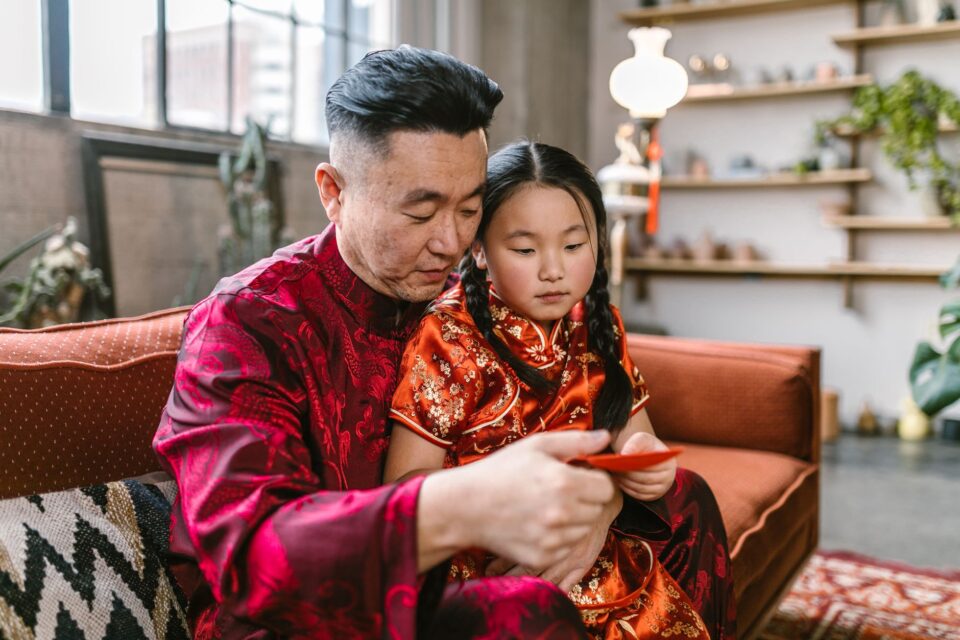
Traditional Chinese New Year Outfits: What to Wear + Tips
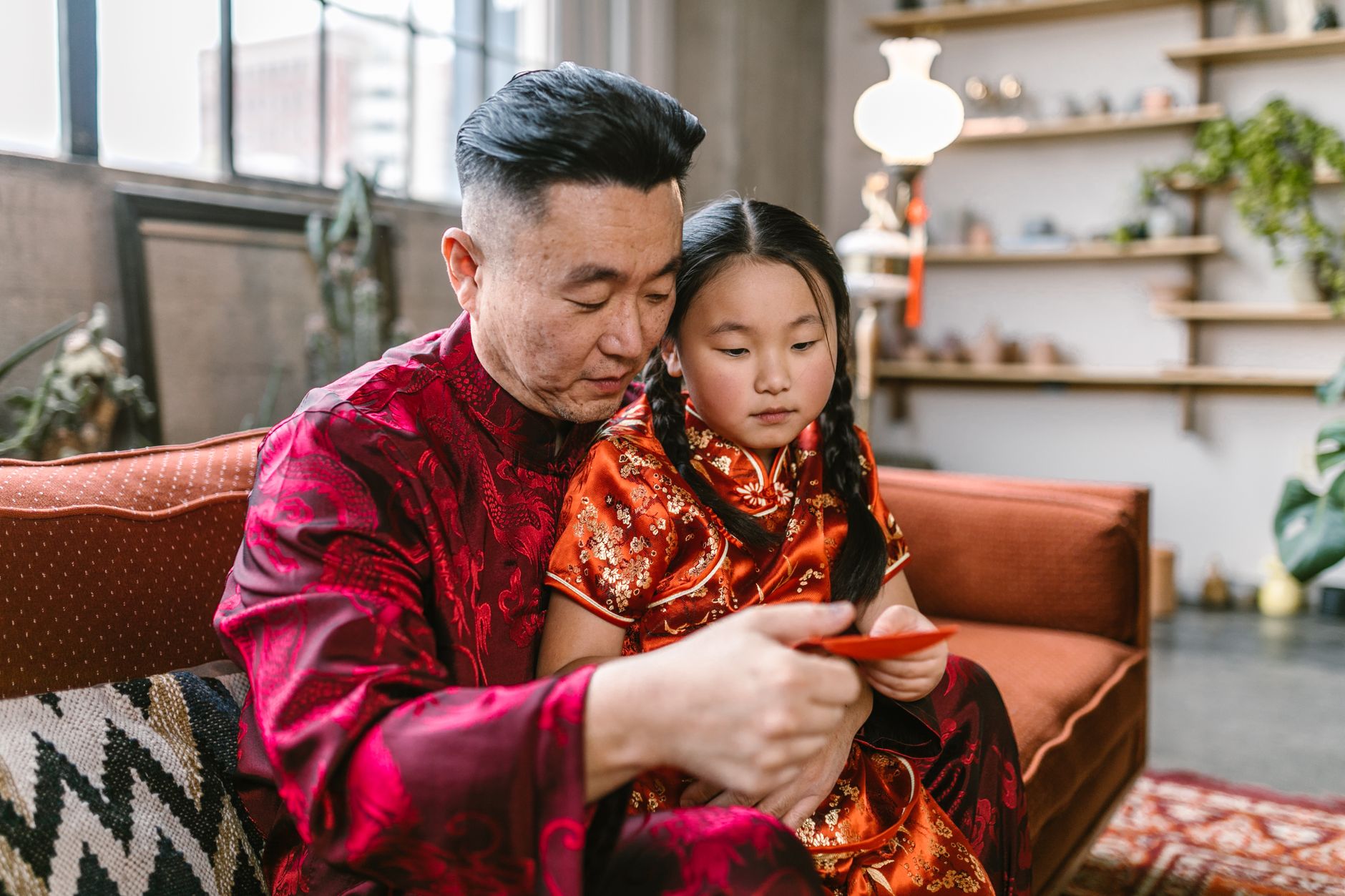
Here is the quick answer to traditional chinese new year outfits: the classic choices are the qipao or cheongsam, tang suit jackets, hanfu sets (often with a mamianqun horse-face skirt), and the Zhongshan jacket. These are most often made in auspicious red with gold accents; avoid black and white for the holiday, and aim to wear brand-new, clean clothing. Pick by occasion and climate: women can choose a red cheongsam or a hanfu skirt set, men a red tang jacket or a Zhongshan suit, and kids mini qipao or tang suits. Expect US prices roughly between $30–$300+ depending on fabric, embroidery, and craftsmanship.
To choose fast: for a family reunion dinner or house visits, a red tang jacket over a knit or silk inner layer is easy and warm; for a temple visit, a modest cheongsam or hanfu skirt set looks respectful; for an office party, a tailored Zhongshan jacket or a modern cheongsam with a blazer works well; for outdoor parades, layer thermal tops under hanfu or pick quilted tang jackets. Prioritize simple auspicious motifs like peony or cloud patterns, keep logos minimal, and ensure the fit allows sitting, greeting elders, and eating comfortably.
Your quick guide to the right Lunar New Year outfit
Chinese New Year celebrates renewal, so wearing something new symbolizes a fresh start. New does not need to mean designer—just clean, in good repair, and different from your everyday wear. Below is a 30‑second way to decide.
30‑second decision: wearer, occasion, climate, budget
- Women: Red cheongsam (modest slit) for dinners and office parties; hanfu with a mamianqun skirt for photos and temple visits; a red cardigan or shawl for warmth.
- Men: Red tang jacket over a knit, or a dark Zhongshan jacket with red scarf for formal events; add a thermal layer for winter.
- Kids: Mini tang suits or mini qipao; soft cotton lining if they will nap or play.
- Occasions: Family reunion dinner (comfortable, neat), temple visit (modest, subdued sparkle), office party (polished), parade (layered, weatherproof).
- Climate: Cold winters call for brocade, quilted jackets, fleece-lined tights, and wool or thermal base layers; mild climates can use silk or satin with a light shawl.
- Budget: $30–$80 basic satin/poly; $80–$180 mid-range brocade or better tailoring; $200–$300+ silk, embroidery, custom sizing.
Price ranges at a glance
- Cheongsam/qipao: $40–$300+ (poly satin to silk; hand embroidery raises cost).
- Tang jacket: $35–$180 (cotton or brocade; quilted winter versions go higher).
- Hanfu + mamianqun set: $60–$280 (layer count, embroidery, and fabric weight matter).
- Zhongshan jacket: $70–$250 (wool blends cost more; tailoring improves drape).
Winter practicality: keep festive and warm
- Use breathable base layers: a thin thermal top under a cheongsam or tang jacket preserves warmth without bulk.
- Pick brocade, jacquard, or wool blends for outer layers; they read festive and hold structure.
- For skirts, wear fleece-lined tights or leggings in skin tone or deep red.
- Carry a wool shawl or short cape—easier than stuffing a puffy coat over delicate frog buttons.
Cultural sensitivity for non‑Chinese wearers
- Appropriate contexts: public CNY parades, community events, family invitations, and work celebrations. Pair your outfit with respectful behavior (greetings, no rowdy jokes at temples).
- Keep it modest for family and religious spaces—avoid very high slits or sheer panels.
- Avoid mixing sacred symbols you don’t understand; stick to widely used festive motifs like peonies, clouds, and coins.
- When unsure, ask the host what is suitable, or choose a red modern outfit with subtle Chinese details.
Traditional Chinese New Year Outfits Explained
These are the core silhouettes you will see around the holiday season. Each carries a different formality, warmth, and movement profile.
Qipao/Cheongsam
A fitted dress with a mandarin collar, frog (knot) buttons, and side slits. It’s elegant for dinners, photo moments, and formal visits. For winter, pick mid‑calf length with sleeves and discreet slits, and layer a slip and tights underneath. Tailoring at the bust, waist, and hips can dramatically improve comfort and posture.
Tang suit (tangzhuang) jackets
A short, structured jacket with a mandarin collar and frog closures, worn by men and women. Red or rich jewel tones with gold piping feel festive. It’s practical—easy to put on and remove indoors, and you can wear it over knits or button‑downs. Quilted tang jackets add warmth without losing the silhouette.
Hanfu sets and mamianqun skirts
Pre‑Qing dynasty styles with flowing sleeves and layered skirts. The mamianqun (horse‑face skirt) has paneled construction that drapes beautifully while allowing movement—excellent for temple visits and photos. Many modern sets use easy ties and hooks, and you can layer a heat‑tech top under the blouse for winter.
Zhongshan suit
A structured jacket popularized in early 20th‑century China. It reads formal and dignified, ideal for office parties or business receptions around the holiday. Choose a darker base (charcoal, navy) with a red scarf or pocket square for auspicious color, or pick a red textured fabric if the event is festive.
Kids’ versions
Mini cheongsams and tang suits are common. Prioritize soft linings, easy zippers at the back or sides, and space for layers underneath. Elastic waist pants and flat, non‑slip shoes help kids move and play comfortably during house visits.
Comparison table: styles, warmth, price, and cultural notes
| Style | Best occasions | Warmth | Price range (US$) | Fit notes | Movement comfort | Typical fabrics | Care needs | Cultural notes |
|---|---|---|---|---|---|---|---|---|
| Qipao/Cheongsam | Reunion dinner, office party, formal visits | Moderate with layers | 40–300+ | Tailored; manage slit height; choose sleeves for modesty | Good if slit modest; sitting comfort improves with stretch | Silk, satin, brocade, stretch blends | Spot clean; dry clean for silk and embroidery | Classic festive dress; modesty appreciated at temples |
| Tang suit jacket | House visits, parades, casual‑smart events | Good; quilted options are warm | 35–180 | Straight body; size up for layering | Easy; wide armholes help | Cotton, brocade, quilted blends | Spot clean; check frog buttons after storage | Widely worn by all ages; red with gold piping is common |
| Hanfu + mamianqun | Temple visits, photos, traditional events | Fair; improve with thermal base + tights | 60–280 | Adjustable ties; choose longer sleeves for elegance | Very good; skirt allows stride | Rayon, silk, cotton, brocade accents | Hang to dry; store flat panels to avoid creases | Pre‑Qing elegance; avoid costume‑like over‑styling |
| Zhongshan suit | Office parties, formal receptions | Good in wool blends | 70–250 | Structured; consider minor tailoring at shoulders | Good; less flexible than tang jacket | Wool blends, twill, textured jacquard | Dry clean tailored jackets | Formal, dignified; add red accents for festivity |
Color, symbolism, and motifs to wear (and avoid)
Red and gold dominate because red symbolizes luck and joy, while gold suggests prosperity. Deep pinks, crimson, and rich jewel tones also work. Silver can be festive when paired with red. Avoid head‑to‑toe black or white, as they’re associated with mourning in many communities; a small amount in prints or shoes is typically fine. If it’s your Ben Ming Nian (zodiac birth year), wearing extra red—socks, belt, scarf— is customary for protection and good fortune.
Common New Year motifs include peony (wealth and honor), phoenix (grace), dragon (strength, leadership), coin patterns (prosperity), ruyi clouds (good wishes), and bat patterns (the word for bat sounds like fortune). If you prefer subtlety, choose tone‑on‑tone brocade where motifs appear in the weave rather than contrast embroidery.
Brand‑new or freshly refreshed outfits are part of the tradition of welcoming a new cycle. If you’re rewearing a favorite, refresh it with new underlayers or accessories and ensure it’s clean, pressed, and in good repair.
Fit, comfort, and movement: get the silhouette right
Comfort and dignity go together at New Year gatherings, which often include long meals, greetings, and photos. Fit choices make the difference.
- Cheongsam slits and length: Mid‑calf length with a controlled slit allows easier walking without feeling revealing. A stretch‑blend panel or hidden back vent adds comfort at the hips.
- Sleeves: Three‑quarter or long sleeves feel more traditional, warmer, and camera‑friendly. Cap sleeves can work in warm climates but cover with a shawl for family gatherings.
- Closures: Frog buttons look beautiful but can pull if the size is off. If you plan to layer under a tang jacket, size up one size or choose a slightly relaxed cut.
- Mandarin collars: They should sit close without pinching. Leave the top frog open if you need breathing room during long meals.
- Simple tailoring tweaks: Hemming skirts, taking in the waist slightly, and adjusting shoulder seams on Zhongshan jackets improve lines. Many dry cleaners offer quick alterations before the holiday.
Accessories, footwear, and modern touches
Good accessories finish the look without overshadowing tradition. For a complete approach to accessories, see this practical guide: How to accessorize an outfit: pro tips and tricks.
- Jewelry: Gold tones pair naturally with red. Choose one focal piece such as a bangle stack, a delicate phoenix pendant, or stud earrings. If your outfit is heavily embroidered, keep jewelry minimal.
- Hair: Silk ribbons, gold hairpins, or a red velvet headband nod to tradition. For hanfu, a soft half‑up style with a ribbon looks authentic and comfortable.
- Bags: A small top‑handle or envelope clutch in red, gold, or nude keeps the focus on the outfit. Avoid large logos that clash with brocade motifs.
- Shoes: Indoor visits favor low block heels or embroidered flats. For parades, weatherproof boots in a coordinating tone work; leggings tucked into boots can hide thermal layers.
- Layering: Short capes, shawls, and quilted tang jackets add warmth without crushing frog buttons or embroidery. If you need a coat, choose a clean wool wrap coat that won’t snag.
If you are building a mix‑and‑match holiday capsule, the 3‑3‑3 rule (3 tops, 3 bottoms, 3 layers) adapts well: pair 1 cheongsam‑style dress (counts as a top+bottom for outfits), 1 hanfu blouse, 1 knit; 1 mamianqun skirt, 1 tailored trouser, 1 dark jean for off‑days; 1 tang jacket, 1 shawl, 1 smart coat. For ideas on building versatile capsules, explore Capsule wardrobe essentials: build outfits that fit your life.
Fabric and care: make it last past New Year
- Silk: Luxurious drape and comfortable in heated rooms. It can feel cool outside—layer a slip or thermal. Usually dry clean after multiple wears; spot clean minor marks promptly.
- Satin (poly or silk‑blend): Shiny and festive, generally more affordable than pure silk. Watch for static in very dry climates; an anti‑static spray on tights helps.
- Brocade/jacquard: Structured and visually rich, excellent for tang jackets and cheongsams. The weight adds warmth. Store on padded hangers and protect frog buttons so they don’t flatten.
- Cotton and wool blends: Breathable, practical, and warmer; ideal for Zhongshan jackets and winter hanfu layers.
Care basics: Check garment tags. Many festive pieces do fine with gentle spot cleaning after the meal and a full clean later. Air out brocade and hanfu layers overnight, reshape collars, and store frog‑button garments closed to preserve alignment. Before New Year’s Eve, do a test fit with all layers, press hems, and clip stray threads.
Avoid common mistakes and etiquette pitfalls
- Mourning colors: Avoid all‑black or all‑white looks. If you love neutrals, mix in red through a jacket, scarf, or sash.
- Damaged or ill‑fitting clothing: Replace missing buttons or loose frogs so they don’t pop during greetings.
- Costume‑y styling: Stick to 1–2 traditional focal points. Overloading accessories or mixing too many historical elements can feel theatrical at family events.
- Overtly revealing cuts: Family settings favor modesty. Choose safe slit heights and add layers if a dress reads clubwear.
- Logo clashes: Prominent sportswear logos can fight with brocade and embroidery. Choose clean, logo‑light pieces.
- Temple etiquette: Dress neat and modest; cover shoulders and avoid loud behavior and lighting incense without guidance.
Where to find outfits in the US and when to buy
Typical sources: specialty Asian fashion boutiques in larger cities, cultural shops in Chinatowns, dedicated hanfu or cheongsam online stores, and broad online marketplaces. Some cities also have rentals for photo shoots; confirm condition and pickup dates early.
Shipping and tailoring timelines: Order 3–5 weeks in advance if you need alterations, sooner for custom embroidery. Off‑the‑rack pieces may only need a hem or minor waist nips—usually a 3–7 day turnaround at local alterations shops.
How to choose quality:
- Stitching: Look for even seams and reinforced frog buttons. Tug lightly at closures—if the stitches gap, size up or pick a sturdier make.
- Fabric weight: Heavier brocade holds shape and resists wrinkles, but confirm breathability if you’ll be indoors for hours.
- Lining: A smooth lining in cheongsams and jackets improves comfort, especially over tights or thermals.
- Buttons and ties: Well‑tied frogs feel secure and symmetrical; ties on hanfu should be attached firmly and sit flat.
For weather and layering strategy, this guide can help you plan smartly across climates: Outfit Adventuring: Dressing for Different Climates Tips. And if you want accessory depth for scarves, see Complete Your Outfit w/ Versatile Accessories: Scarves, Hats & Belts.
Occasion‑based outfit formulas
- Family reunion dinner at home: Tang jacket over a knit, straight trousers or mamianqun, embroidered flats; bring a shawl for porch photos.
- Temple visit or community event: Hanfu blouse + mamianqun with long sleeves, low‑heeled shoes, discreet jewelry, a small crossbody for offerings.
- Office party: Zhongshan jacket + dress trousers with a red pocket square; or a cheongsam under a tailored blazer with low heels.
- Outdoor parade: Quilted tang jacket, thermal base layers, fleece‑lined tights or warm trousers, weatherproof boots.
Questions people also ask
What clothes do they wear on Chinese New Year?
Common choices include cheongsams, tang jackets, hanfu sets with mamianqun skirts, and Zhongshan jackets, usually in red with festive motifs. Many people add new knits, red scarves, or embroidered flats.
Is it culturally insensitive to wear a qipao for Lunar New Year?
Wearing a qipao or other traditional outfit to a CNY celebration is generally welcome when done respectfully—choose modest cuts, avoid sacred symbols you don’t understand, and follow the host’s cues for setting and behavior.
What do men wear for Chinese New Year?
Tang jackets in red or jewel tones are the most common. A Zhongshan jacket is a dignified option for formal gatherings. Add a red scarf or pocket square and comfortable dress shoes.
Do you have to wear new clothes on Chinese New Year?
It’s customary to wear new or refreshed clothing to symbolize a fresh start. If you rewear a favorite, ensure it is clean, pressed, and in good repair, and consider adding a new accessory in red.
What colors should you avoid on Chinese New Year?
Avoid all‑black or all‑white outfits, which can suggest mourning in many communities. Red, gold, and warm brights are preferred, with jewel tones as refined alternatives.
What is the 3‑3‑3 rule for clothes and can it help plan a Lunar New Year capsule?
The 3‑3‑3 rule suggests building outfits from 3 tops, 3 bottoms, and 3 layers. It works well for a LNY capsule if you include one traditional focal piece (cheongsam or tang jacket), one skirt or trouser for modest events, and versatile layers.
However you dress, choose pieces that respect the tradition, fit your climate and schedule, and let you greet the year feeling renewed and comfortable.