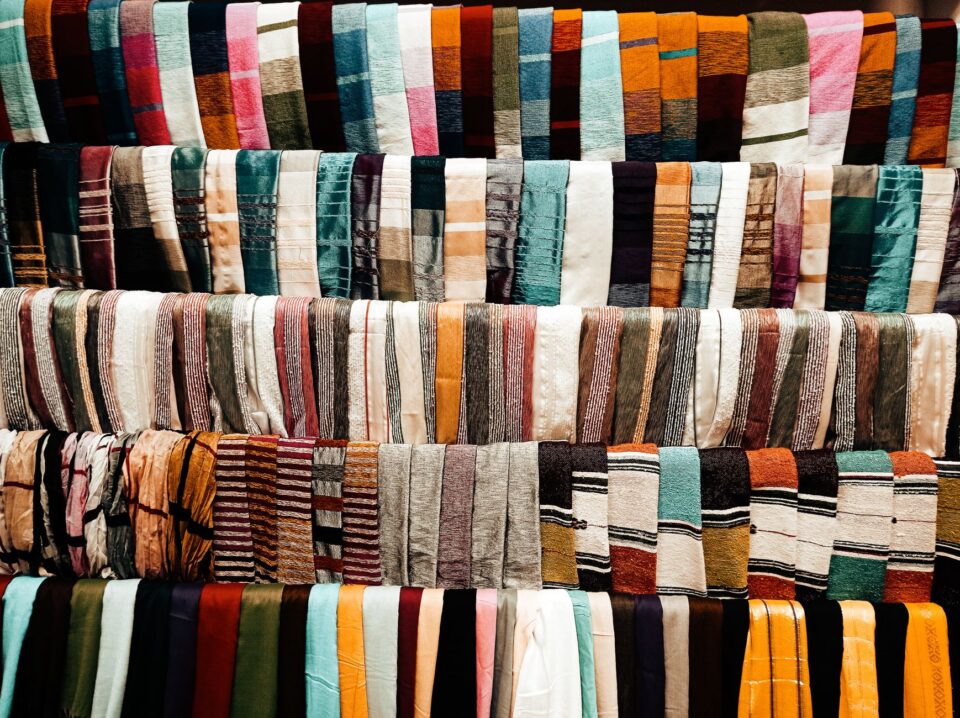
Accessorize with scarves is one of the fastest ways to change an outfit’s mood, add color, and express personal style without replacing core wardrobe pieces. This long-form guide shows you how to build a versatile scarf capsule, understand fabrics and sizes, master practical knots, pair scarves with common tops and outerwear, adapt them across seasons, and care for them so they keep looking great for years.
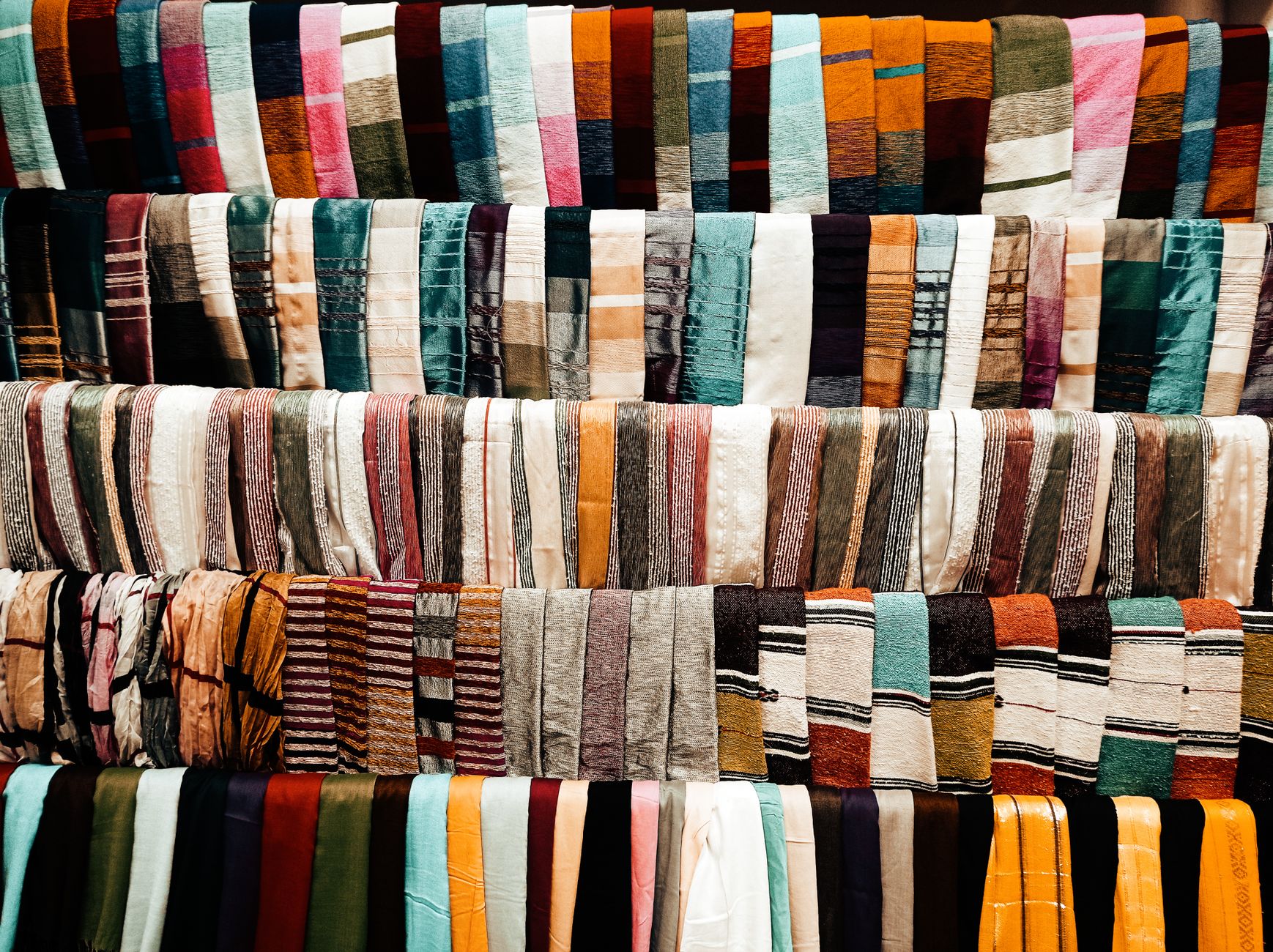
Accessorize with scarves: your fast-start essentials
If you’ve ever pinned a street-style photo and wondered why the look feels intentionally finished, odds are a scarf played a key role. The right fabric, size, and knot give a simple tee polish, make a blazer look purposefully layered, or turn a monochrome dress into something personal. Before you experiment with knots and formulas, set up a foundation with three quick questions that remove guesswork from everyday dressing.
- Purpose: warmth, color, or texture? A silk square adds sheen and pattern; a lofty wool wrap brings insulation; a crinkled cotton scarf adds relaxed texture.
- Size: squares (50–90 cm) excel at neck and bag ties; long rectangles (170–200 cm) loop and drape; oversized wraps (200+ cm or wide) layer over coats and dresses.
- Palette: start with two neutrals (e.g., camel and navy) and two accent families you love (e.g., cherry red and emerald, or terracotta and teal) that echo your favorite tops and coats.
Build a working mini-capsule first: one silk square, one modal rectangle, one chunky wool rectangle, and one light cotton or linen scarf. Keep a small mirror near your entryway or closet; a 30-second knot is easier when you can check proportion at a glance. As you practice, aim for repeatable moves rather than novelty—your goal is a handful of shapes that slip into your routine without thought.
Fabric matters: choosing materials and understanding drape
Material influences warmth, drape, wrinkle resistance, and how a scarf interacts with other textures. Knowing fiber behavior helps you pick the right piece instead of forcing a fluid fabric into a rigid knot or expecting a gauzy weave to feel cozy on a windy day.
- Silk and silk blends: fluid, glossy, lightweight. Excellent for polish, color pop, and sleek knots. Useful for offices, dinners, and transitional months. Care with a mild wash solution and cool water; blot in a towel and dry flat out of direct sun. Iron on low with a pressing cloth.
- Cotton, voile, and gauze: breathable, matte, slightly crisp. Great in spring and summer and with casual outfits. They hold simple knots and wash easily. A light press restores shape.
- Modal and viscose: soft, smooth, drapey with a gentle sheen. Everyday workhorses for quick loops and travel—they resist wrinkling and pack small.
- Wool and cashmere: warm, lofty, and insulating. Ideal for fall and winter, outdoor days, and structured coats. Look for fine-gauge cashmere for less bulk, and tighter weaves to reduce wind exposure.
- Linen: textured and breathable with a natural rumple. Perfect in hot climates and vacations; it adds a relaxed, coastal feel to simple outfits and looks right at home with raffia or straw accessories.
Pay attention to weave density. Hold a scarf to the light: an airy summer piece should let light pass evenly; a winter scarf should show fewer pinpricks of light while staying pliable. Hand-feel matters too—itchy wool rarely gets worn, while soft fibers invite regular use. If you’re sensitive, rub the fabric under your jawline in-store to sense any scratchiness.
Size, shape, and scale: matching scarf dimensions to you
Size and shape determine proportion, bulk, and how a knot sits against collars or lapels. Matching dimensions to your frame, coat styles, and necklines keeps looks balanced and comfortable.
- Squares: 50–60 cm works for tight neck ribbons, rosettes, and bag ties; 70–90 cm creates classic bandanas, French knots, and hair wraps; 100–110 cm squares act as shawls or dramatic bandanas.
- Rectangles: 150–170 cm for light loops and once-arounds; 180–200 cm for European loops, double wraps, and coat-friendly drapes; extra-wide rectangles can double as capes or travel blankets.
- Twilly/scarf ribbons: narrow, long strips used at the neck, wrist, bag handle, or as a belt accent; they add color without bulk and are friendly to warm climates.
Consider body scale. Petite frames often prefer lighter fabrics and medium widths so the scarf doesn’t overwhelm the torso; broader frames comfortably carry larger, thicker scarves. For tailored coats, choose medium-weight rectangles that sit flat under lapels; for puffer jackets, go larger or loftier so the scarf still reads as intentional rather than disappearing into the volume.
Neckline compatibility matters. V-necks welcome triangle bandanas that echo the shape; crewnecks pair with once-arounds or side-knotted squares; turtlenecks look best with outside-the-collar drapes that add vertical lines. If a knot bumps against a collar stand, slide it slightly off-center or lower the knot to the hollow above your sternum.
Color, pattern, and building a capsule scarf wardrobe
Think of your scarf as a portable color wheel. It can lift quiet basics, create a focal point, or bridge pieces that don’t obviously belong together. The simplest starting place is a “2+2” plan: two neutrals and two accent families that relate to your closet.
- Neutrals: camel for classic polish, charcoal for minimalism, navy for preppy or nautical notes, olive for utilitarian moods, ivory for soft elegance, black for crisp contrast.
- Pattern basics: stripes for timeless rhythm, dots for playful energy, small florals for versatility, and geometric motifs for a modern edge. Pick patterns that include at least one color you already wear.
- Tonal strategy: choose accent families that coordinate—cool (blue, violet, emerald) or warm (terracotta, mustard, teal)—to keep outfits harmonious even when you mix prints.
Build a four-piece capsule: a camel wool rectangle, a navy-and-ivory stripe modal, a cherry-red silk square, and a muted floral modal. With those alone, you can create dozens of looks across denim, suiting, and dresses. Layer in a second silk square in a different accent family when you crave novelty. When mixing prints (e.g., striped shirt with floral scarf), vary the scale (narrow shirt stripe, larger scarf motif) and repeat one unifying color.
Knots and drapes: 24 step-by-step ties you’ll actually use
There are endless scarf knots, but most people rely on a core set that balances function and style. Practice these 24 and you’ll be set for almost any outfit. Use a mirror, set a 60-second timer, and aim for quick, repeatable moves.
- Classic drape: Rest the scarf around your neck with both ends even. Ideal for blazers and chore jackets.
- Once-around: Wrap a long scarf once and let ends hang. Great with light coats and crewnecks.
- European loop: Fold scarf in half, feed both loose ends through the loop, and snug gently. Clean and commuter-friendly.
- Reverse drape toss: Drape, then flip each end over the opposite shoulder. Works with structured outerwear.
- Double wrap: Wrap twice around the neck, tucking ends lightly into the coil. For brisk days with a pea coat.
- Slip knot: Tie a loose knot near one end, slide the other end through, and adjust to the collarbone.
- Triangle bandana: Fold a square diagonally, wear point forward, tie behind the neck. Adds attitude to tees and leather.
- French knot: Roll a square into a ribbon, wrap around the neck, tie a small side knot, and angle the ends.
- Ascot tuck: Tie a loose knot at center front and tuck it inside a shirt collar. A vintage note that reads modern with jeans.
- Side bow: With a thin silk or twilly, tie a small bow at one side just below the jawline. Feminine and dinner-ready.
- Loose cowboy: Oversized triangle worn low with ends loosely tucked. Boho energy with cardigans.
- Shawl wrap: Spread a big rectangle over shoulders; belt at the waist for shape or leave open as a cape.
- Infinity trick: Tie the ends of a long scarf together to form a loop, then double it around your neck like an infinity scarf.
- Braid loop: Start like a European loop, twist the loop once, pass ends through again, and adjust the braid-like weave.
- Rosette knot: Roll a square into a ribbon, tie a small knot, then spiral the tail around it and tuck to form a rosette.
- Headband wrap: Fold a square into a band, tie at nape or top. Great for beach days and hair that needs a quick reset.
- Bag handle tie: Wrap a small square around a tote handle; tie and angle the ends. A subtle color echo near the body.
- Waist sash: Thread a long, soft scarf through belt loops and tie at the side or bow at back.
- Wrist wrap: Twist a twilly once or twice around the wrist and knot. A tiny dash of color.
- Hood wrap: On chilly days, pull the center over your head, cross ends under the chin, and tie loosely behind the neck.
- Neck coil: For sleek polish, wrap a thin silk twice snugly, tie a short knot at back, and rotate the knot to the side.
- Lark’s head tie: Form a small loop on one end, thread the other end through the loop, and cinch; looks clean with mid-weight rectangles.
- Diagonal waterfall: Start with a rectangle, place one end high, wrap once, then fan out the front section diagonally for a soft cascade.
- Coat anchor: Drape under coat lapels, then close the coat so the scarf’s ends peek in a narrow V. Stabilizes the scarf and frames the face.
Tuning notes: knots should never feel like a choker unless that’s the point. For bulky sweaters, prefer drapes and once-arounds; for crisp shirts, try French knots or ascot tucks. If silk slips, tie a very small clear hair elastic beneath the knot to add friction without showing.
Outfit pairings and formulas for tees, shirts, knits, blazers, and dresses
Scarves shine when they harmonize with necklines and the structure of garments you already wear. Build reliable formulas around categories so you can repeat them on busy mornings.
- Tees and tanks: Rolled silk square in a side knot echoes sneaker or bag color; for graphic tees, try a plain neck ribbon; for solid tees, go patterned bandana.
- Button-down shirts: French knot or ascot tuck under the collar adds polish. Stripe-on-stripe works when scales differ (narrow shirt stripe, bold scarf stripe).
- Knitwear: With chunky turtlenecks, use an unknotted drape outside the collar; with crewnecks, a once-around keeps proportion balanced. Try a shawl wrap over a ribbed dress for extra texture.
- Blazers and suiting: Classic drape or reverse toss reads sharp. A long, narrow scarf beneath lapels lengthens the torso; a small silk square near the face adds contrast without heavy jewelry.
- Dresses: V-necks pair with triangle bandanas; high necks like long, loose rectangles; slip dresses benefit from belted shawl wraps for structure.
Two easy echo rules simplify pairing: repeat one color (e.g., scarf red matches lipstick or shoe piping) and counterbalance one texture (add sheen to matte knits or matte to glossy fabrics). If unsure, take a quick phone photo; proportional issues jump out on screen in a way mirrors sometimes miss.
Seasonal playbook and travel packing
Scarves adapt to weather shifts better than almost any accessory. Swap fabrics, sizes, and knots with the season so you stay comfortable and consistent with your style.
- Spring: Cotton voile, modal, and silk squares. Use bandanas and French knots to add color to trench coats and denim jackets. Fresh motifs—florals, gingham, narrow stripes—wake up basics.
- Summer: Linen and light cotton. Switch to neck ribbons, headband wraps, and bag ties. Sunny tones (citrus, sky blue, sea green) and breathable weaves keep outfits breezy.
- Fall: Modal rectangles and mid-weight wool. Once-arounds, reverse tosses, and shawl wraps over cardigans and blazers. Earth tones—rust, olive, mustard—anchor denim and boots.
- Winter: Dense wool and cashmere. Double wraps and European loops under structured coats. Choose tighter weaves and tuck ends inside to reduce wind exposure and maintain a neat line.
Travel tips: pack two versatile scarves per week of travel—a modal rectangle in a neutral stripe and a silk square in your favored accent. These handle plane chill, dress up dinner outfits, and refresh repeat clothing. Roll scarves in a glasses case or small pouch to protect from zippers and makeup spills. For a beach trip, a large sarong-style rectangle doubles as a cover-up and shoulder shield; for a cold-city weekend, choose one cashmere rectangle and one thin silk for interiors.
Layering with hats, belts, jewelry, and bags
Scarves play well with other accessories when they share either a color or a vibe. Let one piece be the hero and let the rest support. This approach keeps looks refined rather than crowded.
- Hats: With beanies and felt fedoras, choose knots that sit cleanly (classic drape or European loop). Echo hat texture (felt with wool, straw with linen) for cohesion and use similar saturation for a tidy palette.
- Belts: A shawl wrap belted at the waist defines shape over knit dresses or tees. If your belt has prominent hardware, keep the scarf quieter to avoid visual noise.
- Jewelry: A tidy neck ribbon stands in for a necklace; remove one element if it feels busy. With statement earrings, pick a plain scarf that frames the face rather than competes.
- Bags: A small square knotted on a tote handle repeats color from the outfit. If your bag has bold logos or hardware, let the scarf act as a soft counterpoint.
Think in pairs: scarf color that echoes shoe trim; scarf pattern that mirrors jacket lining; scarf texture that balances leather grain. When two elements subtly converse, the entire look reads deliberate without trying too hard.
Care, cleaning, and storage routines that keep scarves beautiful
Good care preserves color, hand-feel, and drape. The routines are simple and quick, and they extend the life of delicate fibers. Check care labels first and test a small area when uncertain.
- Everyday refresh: After wear, shake out your scarf, smooth by hand, and hang for a few hours before folding. This helps air out scents and wrinkles with minimal effort.
- Hand-washing delicates: For silk and fine blends, fill a basin with cool water and a small amount of gentle solution. Swirl lightly for a minute, rinse cool, press in a towel (don’t wring), then lay flat on a dry towel away from direct sun. Shape edges with your fingers as it dries.
- Machine care for sturdies: For cotton and modal, a delicate cycle inside a mesh bag can work. Use cool water, minimal spin, and remove promptly. Lay flat or hang over a wide bar to dry.
- Wrinkles and finish: Use low steam from a handheld steamer. For irons, select the right setting (low for silk, medium for cotton), and use a pressing cloth. Avoid heavy creases in silk unless you want crisp edges by design.
- Stain situations: Blot spills quickly with a clean cloth. For oil spots on sturdy fabrics, sprinkle a little fine powder (like cornstarch) to absorb, then brush off and launder gently. For delicate fibers, dab with cool water and a mild solution and repeat rather than scrubbing. When in doubt on valuable pieces, consult a professional cleaner experienced with silk and wool.
- Pilling and pulls: Use a sweater comb or very gentle fabric shaver on wool to reduce visible fuzz. For snags, don’t cut the thread; use a blunt needle from the reverse side to coax it back in.
- Storage: Fold scarves loosely. Silks do well stored flat in a drawer or on wide hangers with felt or velvet covers. Keep wool away from rough zippers and hardware. Lavender or cedar sachets can help deter fabric pests; rotate sachets periodically and keep storage areas clean and dry to lower exposure risk.
A tiny habit pays off: give each scarf 10 seconds of smoothing and proper storage after wearing. That small effort keeps edges crisp and makes the next wear effortless.
Shopping smarter: quality markers, budgets, and vintage finds
Smart shopping means buying pieces you love and will use often. A few checkpoints elevate the odds that a scarf looks and feels good for a long time.
- Color and print: Patterns should register cleanly (no bleeding edges); colors should look rich when the scarf is folded. On reversible prints, inspect both sides for crispness.
- Edges and hems: Rolled, hand-finished hems on silk squares drape beautifully and indicate care. For rectangles, look for clean stitching and even edges without puckering.
- Hand-feel and recovery: Crumple a corner and release—good modal and silk rebound quickly and feel lively. Wool should be soft rather than prickly.
- Transparency and density: Hold to the light to gauge intended use. A summer scarf should glow lightly; a winter scarf should obscure most light while remaining flexible.
- Authenticity and labels: For higher-end finds, research label fonts, hem styles, and hallmark motifs. Compare to official references so your vintage treasure aligns with known details.
- Vintage care: Inspect for snags along edges and faint discoloration at folds. Many marks lift with gentle home care; ask the seller about storage history and avoid pieces with brittle areas that feel like paper.
Budget strategy: set tiers—invest in a hero silk in a signature color or print you adore, spend moderately on everyday modal rectangles, and keep trend-led or novelty pieces inexpensive. Variety comes from mixing price points with intention rather than owning many similar items.
Troubleshooting, lookbook, and weekly practice plan
Even confident scarf wearers hit snags. Most issues resolve with a small change in knot, scale, fabric, or contrast. Use these quick fixes, then explore the expanded lookbook and adopt a tiny practice routine that builds muscle memory.
- Too bulky at the neck: Switch from double wrap to classic drape, or choose a thinner fabric. Tuck long ends into your coat to streamline.
- Slipping knot: Choose fabric with grip (cotton/modal over slick silk) or hide a small elastic under the knot for friction.
- Competing patterns: Reduce scale. Pair a busy top with a solid scarf or a small two-color print.
- Disappearing under a coat: Increase scarf size or loft. A denser wool rectangle stands up over collars; a casual reverse toss shows dimension above lapels.
- Color feels off: Repeat one color from shoes, bag, or lip. Even a tiny echo ties everything together.
- Neckline mismatch: For high crewnecks, lower the knot and lengthen the vertical line; for deep V-necks, fill the space with a triangle bandana.
Lookbook: 20 day-to-night formulas you can clone in your palette
- White tee + straight jeans + cherry-red silk side knot + white sneakers
- Striped button-down + navy chinos + camel modal once-around + loafers
- Black turtleneck + charcoal jeans + ivory wool classic drape + Chelsea boots
- Denim jacket + lilac tee + floral silk bandana + ballet flats
- Grey blazer + black tee + narrow geometric scarf tucked under lapels + ankle boots
- Slip dress + oversized knit cardigan + shawl wrap belted at waist + heeled sandals
- Monochrome beige set + rust wool reverse toss + brown boots
- Leather moto + white tee + black-and-white polka-dot square + combat boots
- Trench coat + Breton stripe + navy scarf in a European loop + loafers
- Summer linen dress + citrus neck ribbon + raffia bag tie + strappy sandals
- Office sheath dress + small rosette tie at collarbone + block heels
- Evening black suit + glossy silk ascot tuck + patent pumps
- Hoodie + puffer + thick plaid wool double wrap + trail sneakers
- Boatneck sweater + cropped trousers + wide stripe modal classic drape + mules
- Utility jumpsuit + bright silk neck coil + low-top sneakers
- Oversized white shirt + slim black pants + waist-sash scarf belt + flats
- Cardigan set + midi skirt + diagonal waterfall knot + Mary Janes
- Chambray shirt + white jeans + bandana triangle + espadrilles
- Navy dress + ivory silk French knot + slingback heels
- Graphic tee + blazer + braid loop knot + loafers
Weekly practice plan (10 minutes): pick one knot each week and try it with two different fabrics. Snap a photo of each outfit, review which coat or neckline worked best, and note any proportion tweaks. In a month, you’ll have a reliable roster you can execute on autopilot.
For more accessory tips, outfit formulas, and seasonal how-tos, explore the resources on ArloStyle, where you’ll find practical guides that complement this scarf playbook.