Consider this your all-in-one handbag styling guide. If you have ever stood in front of a mirror wondering whether your bag is the right size, color, or level of formality for what you are wearing today, this deep dive will give you a repeatable way to decide fast. You will learn how to pick proportions that flatter your frame, how to build a capsule of bags that cover most occasions, how to align metal and texture with your outfit, and how to maintain your pieces so they keep their shape and sheen for years. You will also find outfit formulas, packing and organization ideas, and a seasonal refresh checklist that helps you stay current without chasing every trend.
handbag styling guide
Start with a simple rule-of-three that takes the guesswork out of daily dressing: silhouette, harmony, and purpose.
- Silhouette: Match bag scale and drop length to your body proportions and the volume of your outfit.
- Harmony: Coordinate color, texture, and hardware with footwear and outerwear to create a continuous visual line.
- Purpose: Let the reason for leaving the house decide structure and capacity. A meeting day wants a structured bag with clean edges; errands are easier with a crossbody; evenings thrive on compact, tactile pieces.
Memorize three checkpoints before you leave the door:
- Distance test: Take two steps back from the mirror. Does the bag dominate the outfit or disappear? Adjust scale.
- Metal match: If your coat or jewelry has mixed metals, your bag can mix too. If not, mirror the dominant tone.
- Function sweep: Can the bag carry what you need today without overfilling? A beautiful bag that strains at the zipper never looks considered.
Here is a quick-start kit if you are building from scratch: one structured everyday tote (work and travel), one medium crossbody in a walk-all-day strap length (errands and weekends), and one small evening piece with tactile interest (satin, velvet, beading, or sculptural hardware). When those three are dialed in, layer seasonal color and playful textures in a fourth and fifth slot—perhaps a relaxed slouch for summer and a rich suede top-handle for cold months.
Finally, think in pairings. Shoes and bags do not need to be identical. They do need to agree about the mood. A square-toe loafer and a boxy satchel speak the same language. A ballet flat and a rounded mini bag are natural friends. If your look is very fluid—wide trousers, oversized knit—balance the softness with a refined, structured bag to prevent the outfit from reading shapeless. If your look is sharp—tailored suit, stiff denim—introduce a softer bag to keep it human. The tension makes the outfit feel lived-in instead of costume-like.
Proportions: choosing the right size and drop for your frame
Proportion is the single biggest reason a bag looks “right.” The goal is harmony between the scale of your body, the volume of your clothes, and the silhouette of the bag. Think about three dimensions: width/height of the bag, depth/rigidity, and strap drop.
Scale to body: If you are petite, a very large tote can swallow your frame and make legs look shorter. Consider a narrower tote with long, slim straps that sit high on the shoulder so the bag hugs the torso. If you are tall or broad-shouldered, micro bags may look toy-like; a medium-to-large bag (but not overfilled) usually balances your height. As a loose guideline, the bag’s longest dimension should fall somewhere between 25 and 40 percent of your torso length. Outside that band, the eye reads “off.”
Scale to outfit: Voluminous clothes want a bag with shape. A fitted outfit wants a bag that adds dimension. For example, pair soft palazzo trousers and a chunky cardigan with a cleaner, structured top-handle or trapezoid tote. The bag sharpens the overall outline. Conversely, a pencil skirt and crisp button-down can benefit from a slightly slouchy hobo to loosen the edges.
Drop length matters more than many people think. Where the bag visually “lands” will draw attention. A shoulder bag that hits at the mid-hip can widen the hip line. Move it higher to highlight the waist or let it hang lower to elongate the torso. Crossbody straps that hit just above the hip bone are most versatile and comfortable for walking. For formal events, a short top-handle or clutch keeps the visual focus near your waist and face, which photographs beautifully.
Balance hardware and details with your stature. Petite frames are often overwhelmed by jumbo chains and dramatic hardware plates; choose subtle or medium-scale metalwork. Taller frames or bolder personal styles can handle chunkier chains and pronounced buckles. The same logic applies to quilting and logos: dense quilting or oversized monograms read busier and larger; smooth leather and smaller logos read calmer and sleeker.
Checklist for perfect proportion:
- Bag longest side within 25–40% of your torso length.
- Strap adjusted so the bag lands at a flattering point (waist for waist emphasis; hip for casual ease).
- Hardware scale matched to your jewelry and facial features; avoid extremes that dwarf or overtake.
- Outfit volume counterbalanced by bag structure (soft with sharp, sharp with soft).
Build a capsule: five handbags that cover almost every scenario
Think of your bag wardrobe like a toolkit. Each tool has a primary job, and some overlap by design. A well-built capsule keeps daily decisions light and prevents duplicates.
The five-bag capsule:
- Structured work tote (13–15 inch): Carries laptop, notebook, and a slim pouch without distorting. Look for firm handles, protective feet, and an internal zip compartment. Colors: black, dark chocolate, or deep navy for maximum polish.
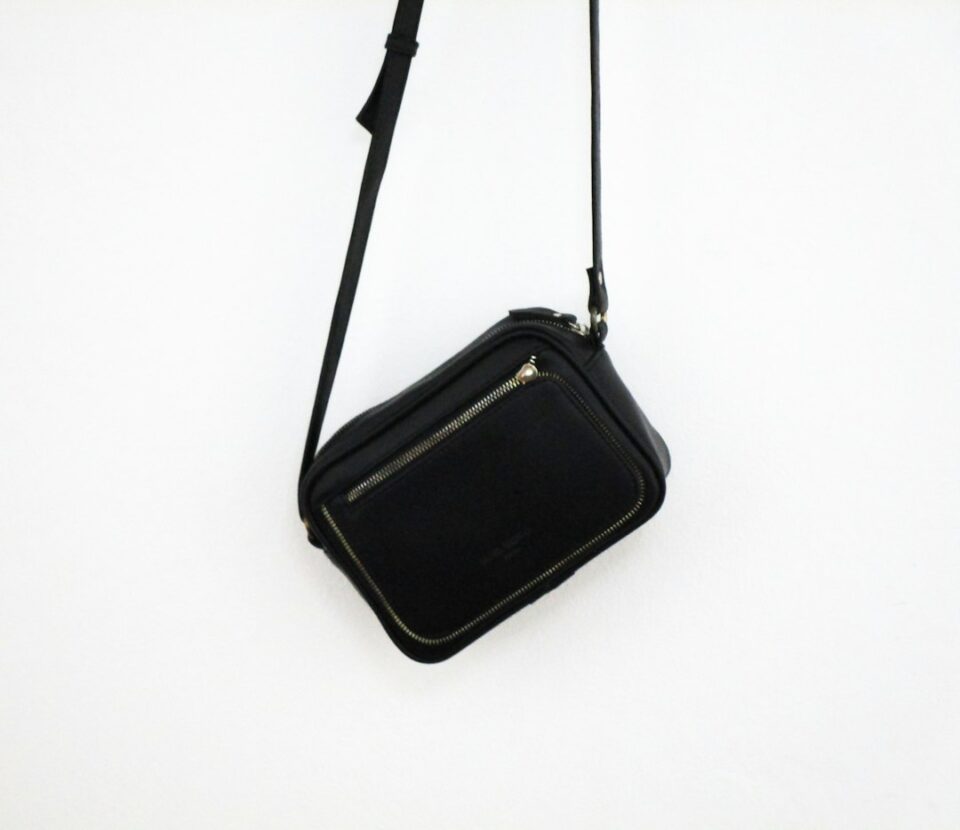
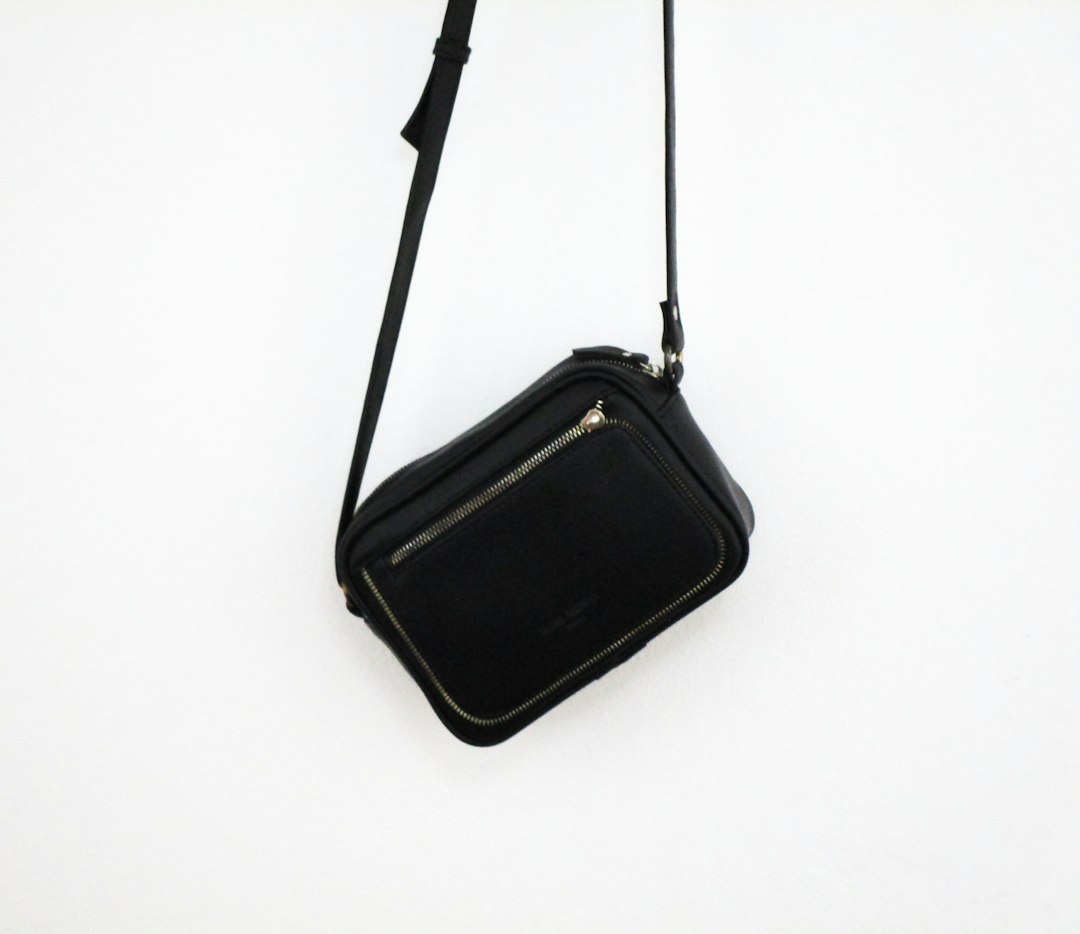
- Medium crossbody (camera-bag or flap): Hands-free, fits phone, small wallet, keys, sunglasses. Choose an adjustable strap and a zipper or flap that closes securely. This is your “walk, commute, museum” piece.
- Compact evening bag (clutch or mini top-handle): Not just for events. A sleek mini lifts denim and a blazer instantly. Add texture—satin, velvet, beads, metallic leather—to create light play in photos and dim venues.
- Relaxed weekend carry (hobo or bucket): Soft but not shapeless. The shoulder drop should allow a coat sleeve underneath without fighting for space. Light neutrals or canvas/leather mix feel casual and fresh.
- Travel-friendly convertible (backpack or tote-to-crossbody): Lightweight, closes fully, has a trolley sleeve or back slip to sit on luggage. Interior organization prevents airport rummaging.
Optional add-ons if you have specific needs: a top-opening doctor bag for photographers and creatives, a nylon zip-top tote for gym or rainy days, or a dressy shoulder bag with a chain strap when you want jewelry and bag to act as one.
Audit your closet twice a year. Lay all bags flat, remove contents, and ask: Which bag did I reach for the most? Which sat untouched? Was it because of capacity, comfort, or color? Adjust your capsule to your real life, not an imagined one. If your weeks are mostly school runs and co-working, tilt toward crossbody comfort. If you present and meet often, your tote should be the nicest thing you own after outerwear.
Materials and finishes: from leather to hardware
Materials set the tone and determine longevity. Full-grain and top-grain leather age gracefully and can be reconditioned to keep luster. Saffiano, pebbled, and coated leathers resist scuffs and rain better than smooth; smooth calf looks elevated but wants gentler handling. Suede and nubuck bring depth and luxury; reserve them for dry days or pre-treat with a protector appropriate for the material to enhance resilience against light moisture and grime. Vegan leathers vary; look for thicker, woven backings and a matte or light-sheen finish to avoid plastic shine.
Canvas and fabric bags can feel modern and light, especially with leather trim. They pair well with casual wardrobes and summer textures like linen and raffia. Keep an eye on color transfer with light canvas; a protective spray designed for fabrics may help reduce staining from denim. Raffia and straw add vacation energy; lean on them for summer outfits and beach days, then store them in breathable dust bags to protect the weave.
Hardware choices send clear signals. Polished metal reads formal and dressy; brushed or antiqued finishes feel relaxed. Mixed metals are modern and practical because they work with varied jewelry. If your wardrobe is mostly cool in tone (grey, navy, white), silvery hardware keeps everything crisp. If you live in warm neutrals (camel, cream, olive), gold hardware reinforces the palette. Aged brass pairs nicely with heritage checks, tweeds, and vintage denim.
Lining and closures affect comfort more than you think. Light linings make it easier to find small items. Zippers give security; magnets are quick and sleek; flaps add ceremony and keep the silhouette clean. Consider how you move through your day. If you open and close your bag twenty times between breakfast and dinner, a zipper with a smooth pull or a secure magnet is your friend.
Color strategy: neutrals, accents, and when to match
Color is a tool. The easiest strategy is the “neutrals plus one” palette: anchor your capsule with two core neutrals and one accent.
- Core neutrals: black, chocolate, taupe, tan, camel, navy, stone, or greige. Choose two that already dominate your shoes and coats.
- Accent: a color that thrills you and appears in two or three tops or scarves you love—forest, oxblood, cobalt, jade, powder blue, rose, or metallics like pewter and champagne.
Matching can be powerful, but literal sets can feel stiff. Instead of exact color matches, create families. For instance, a dark brown bag with whiskey boots and a camel coat looks intentional because all three share warmth. A black bag with black boots and a grey coat forms a seamless column. Navy pairs elegantly with tan, cognac, and white; deep green with chocolate and cream; burgundy with navy and charcoal.
When outfits are highly patterned or colorful, let the bag whisper. Pick a quiet neutral and smooth leather. When outfits are minimal, let the bag sing. Try a bolder accent or a standout texture—patent, beaded, metallic pebbled leather—to create a focal point.
Seasonal color swaps keep things fresh. Spring favors soft leathers and lighter hues; summer welcomes canvas and woven textures; fall loves suede, croc-embossed leather, and saturated tones; winter returns to polished leather and high-contrast neutrals. Metallics are seasonless if the finish is understated. A brushed pewter crossbody can work with a cotton sundress in July and a charcoal coat in January.
Quick color rules that save time:
- If your coat is dark, a light or metallic bag adds lift near the face.
- If your shoes are bold, keep the bag calm or echo the intensity with a similar saturation level, not necessarily the same hue.
- White or stone bags are surprisingly wearable year-round when the leather is substantial and the design is clean.
The occasion playbook: work, weekends, travel, and evenings
Work days: A structured tote with a zip or a flap reads reliable. Keep exterior branding minimal for versatility. If you carry tech, ensure the bag stands upright when set down and the straps do not slide off the shoulder. Place a slim pouch inside for cords and pens so you do not scratch the lining with loose items.
Weekends: Comfort first. A crossbody with a wide strap reduces shoulder fatigue. Consider a wipe-clean finish for farmers’ markets or café mornings. Canvas/leather combinations feel relaxed but still intentional. If you push a stroller or ride a bike, test strap length in motion so the bag stays put.
Travel: A lightweight, secure bag is essential. Look for full closure (zip or strong magnet), a back pocket for boarding passes, and an interior divider. Darker tones hide scuffs. Hands-free options like a compact backpack are ideal for city walking; for flights, a tote with a trolley sleeve is worth its weight during connections.
Evenings: Scale down and turn up the texture. A velvet mini top-handle or a beaded clutch turns a simple column dress into an event. If the venue is crowded, choose a piece that hangs off your wrist so you can keep a hand free. Crystal or sculptural hardware acts like jewelry; let it replace a necklace to keep the look balanced.
Special events (weddings, galas): Coordinate with the metal tone of your jewelry and the finish of your shoes. Match sheen levels (matte with matte, gloss with gloss) rather than color. Pale metallics (champagne, pewter) go with nearly everything and re-wear beautifully across seasons.
Outfit formulas that always work
Formula 1: Cream coat + denim + black boots + structured black tote. The tote echoes the boots, the cream coat brightens the face, and the denim keeps it easy. Use this for Monday meetings and coffee dates alike.
Formula 2: Navy blazer + white tee + straight jeans + tan loafers + tan crossbody. The crossbody creates a color bridge from shoe to jacket buttons, and the casual tee tempers the blazer.
Formula 3: Monochrome knit set (beige or grey) + chunky sneakers + metallic mini bag. The mini adds light and polish; the sneakers keep the look grounding and modern.
Formula 4: Little black dress + slingback heel + velvet or satin clutch. Adjust jewelry to the bag’s hardware. If the clutch has a jewel tone, echo it with lipstick or a small earring stone.
Formula 5: Oversized trench + wide pants + striped knit + white trainer + stone camera bag. The camera bag’s boxy shape balances the wide trousers; the light bag prevents the outfit from skewing heavy.
How to debug a look when something feels off:
- If the outfit looks bottom-heavy, lighten the bag color or shorten the strap to bring attention upward.
- If the outfit looks too sweet, swap in a structured, angular bag or one with minimal hardware.
- If the outfit looks too severe, add a softer bag—pebbled leather, curved corners, or a subtle slouch.
- If the outfit has too many focal points, choose a simpler bag and let one hero element lead (for example, bold shoes or a statement coat).
Care, storage, and keeping shape
A good bag asks for thoughtful care. The basics: empty and air out weekly, wipe down with a dry, soft cloth after wear, and rotate your pieces to rest the straps and corners. Overfilling stretches seams and distorts profiles; use pouches to keep small items together and reduce strain on pockets.
Storage matters as much as what you do while wearing the bag. Keep bags in breathable dust bags; avoid sealed plastic for long periods. Stuff bags lightly with acid-free tissue or a soft insert to hold shape without pressure. Stand top-handles upright so they do not crease; rest chain straps inside the bag wrapped in a soft cloth to prevent imprints on leather.
Spot clean according to material. Smooth leather responds well to a soft, slightly damp cloth followed by a dry one; pebbled and coated leathers are more forgiving. For suede and nubuck, a dedicated brush can lift surface marks and maintain nap; test any product on a hidden area first. For canvas, a gentle fabric cleaner dabbed lightly can lift marks.
Protect corners and feet. Set bags on clean, dry surfaces whenever possible, and use a desk mat at work. In rain, a compact foldable tote or waterproof cover inside your main bag will save the day. If a piece starts losing structure, a custom insert or shaper can help it sit correctly. When in doubt, consult a professional leather care service for sensitive materials or vintage pieces.
Smart shopping, authenticity, and budgeting
Before adding a bag, list your last ten outfits. If you cannot identify at least three realistic ways to wear the bag with those looks, wait. Try-on time matters. Put on your coat, your usual shoes, and your everyday jewelry, then test the bag. Does the strap fight your coat sleeve? Does the base sit flat? Are your essentials easy to reach?
Price versus quality is a spectrum, not a fixed line. You pay for design, material, craftsmanship, and brand markup. At every budget, the best purchases are neutral in silhouette (not bland, just balanced), comfortable to carry, and made of materials you understand how to care for. Mid-range brands often excel at timeless shapes and sturdy leathers; contemporary labels experiment with color and texture at approachable prices; luxury offers meticulous finishing and materials that age beautifully when treated well.
Secondhand can be excellent for unique colors and discontinued shapes. Reputable marketplaces provide grading, detailed photos, and return windows. Review stitching, edge paint, symmetry of handles, hardware weight, and serials or maker marks. Be cautious with deals that seem unusually good compared to the going rate. Ask for direct, well-lit photos, including corners, hardware close-ups, and interior labels. Many buyers also ask for a short video of zips and closures in motion to gauge condition.
Most importantly, spend where you feel the gains. If your life is tote-heavy, invest in the tote. If weekends are your joy, invest in the crossbody you will carry constantly. Accessories budgeting is personal, and a focused collection worn repeatedly always looks more stylish than a scattered one.
Packing and organization: from EDC to travel days
Think in modules. Everyday carry (EDC) stays the same; the “project module” changes. EDC might include wallet, keys, phone, sunglasses, a compact, and a foldable tote. Project modules could be laptop + charger + notebook for meetings, or snacks + wipes + crayons for park afternoons, or passport + tickets + earphones for travel.
Use slim pouches by category: tech, touch-ups, health essentials, and paper items. Clear or mesh pouches show contents at a glance; fabric pouches are quieter and gentler on linings. Cardholders minimize bulk if you often swap between small bags. A narrow water bottle with a leak-proof lid keeps linings safe; if you carry beauty items, place them upright inside a pouch to avoid spills.
For travel, pre-pack an airplane kit: lip balm, hand cream, sanitizer, earplugs, pen, and a phone cable. Slip it into the interior pocket so you never dig at security. Keep a photocopy or phone scan of your ID and important documents. For city days, a hands-free crossbody with an interior zip and an exterior slip for tickets or a transit card is low-stress and efficient.
Two-minute end-of-day reset: remove receipts, cap pens, return lipstick to its tube, and rest the bag on a open shelf to air overnight. Tomorrow morning will feel more polished before you even start getting dressed.
Seasonal refresh and staying trend-proof
Trends add sparkle, but your capsule does the heavy lifting. Each season, rotate two or three accents that feel current and align with your wardrobe. Spring might bring a powder-blue mini or a canvas-and-leather bucket; summer could mean a raffia tote with leather handles; fall favors croc-embossed top-handles; winter invites a satin evening bag or a gunmetal mini with a delicate chain.
What keeps you trend-proof is silhouette intelligence. A clean rectangle, a classic flap, a curved hobo—these shapes cycle but never really leave. When unusual shapes call your name, choose them in quiet colors so they integrate naturally. When a loud color thrills you, choose it in a classic silhouette so it remains wearable beyond the season.
Create a personal signature that outlasts cycles. Perhaps it is “always mixed metals,” or “deep brown in winter, stone in summer,” or “structured shapes with soft knits.” Write it down. Refer to it when you feel the pull of a novelty purchase that does not serve your life.
Use real-world reference points. Browse the Handbag Styling hub at Arlo Style or revisit saved photos of looks you still love a year later. Notice the shapes, proportions, and color moves that repeat across your favorites. Then double down on those.
Putting it all together: your 10-minute exit routine
This quick checklist translates the whole article into action. Keep it near your mirror until the routine feels automatic.
- Check silhouette: bag scale and structure balance your outfit volume.
- Set the drop: adjust the strap to land at a flattering point.
- Confirm harmony: metal tones match or intentionally mix; color supports the outfit’s palette.
- Pack modules: EDC core + today’s project module; pouches zipped.
- Capacity reality: no distortions, no bulging; bag closes smoothly.
- Weather plan: fabric spray-dried, umbrella or foldable tote packed if needed.
- Final glance: step back two paces; is the bag the right “voice” for the outfit? If not, swap to your capsule alternative.
With silhouette, harmony, and purpose in your back pocket, getting out the door reads calm rather than rushed. Your bag becomes a choice, not a gamble, and the daily feedback loop—what felt good, what felt fussy—makes you faster and more confident week by week.